
Title: Discovering the Delight of Bichon Frise Puppies
Introduction:
The Bichon Frise is a beloved small dog celebrated for its cloud-like white coat, cheerful disposition, and endless enthusiasm. If you are thinking of welcoming one of these puppies into your life, this guide offers a clear overview of the breed’s traits, background, and everyday needs. From grooming tips to personality quirks, you will find the essentials required to decide whether this affectionate companion is the right match for your household.
History and Origin of the Bichon Frise
Centuries ago, sailors carried small, curly-coated dogs between Mediterranean ports. These lively companions soon charmed European nobles, who pampered them in royal courts. The French later dubbed the breed “Bichon Frise,” a nod to its soft, curled coat. Originally kept as amiable lap warmers and street performers, the dogs gradually won hearts worldwide, securing a permanent spot as cherished household pets.
Characteristics of the Bichon Frise
Bichons pack a lot of personality into a petite, hypoallergenic package. Their trademark white curls require frequent brushing, but the payoff is a clean, low-shedding friend suitable for most allergy sufferers. Key points to know:
– Size: Adults usually weigh between 12 and 18 pounds and stand roughly 9–11 inches tall.
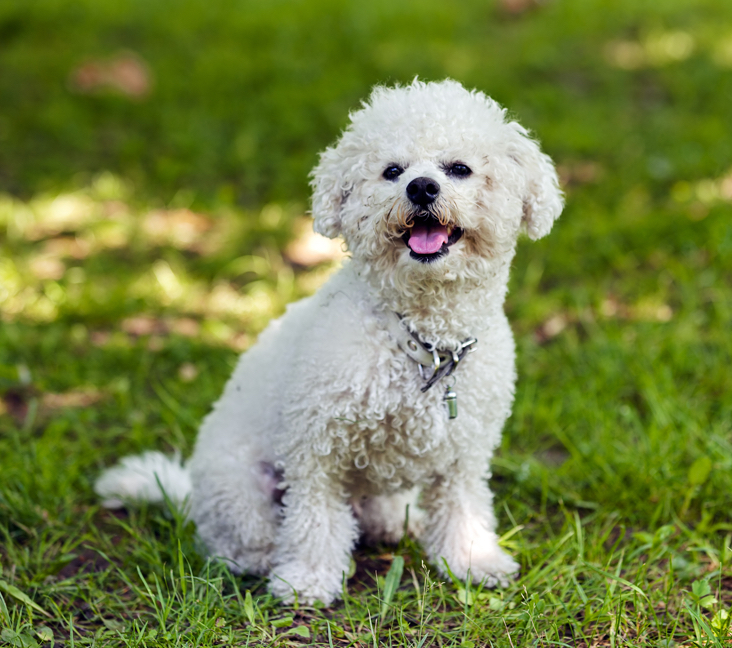
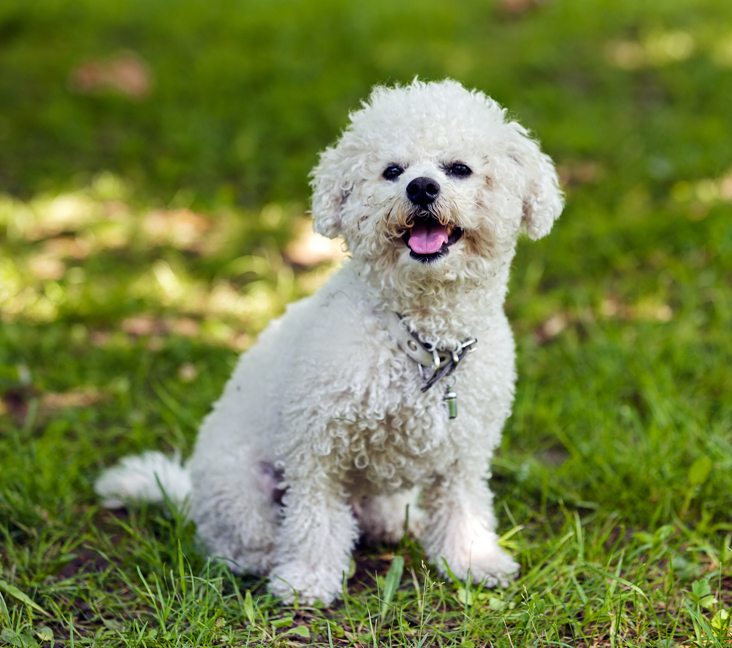
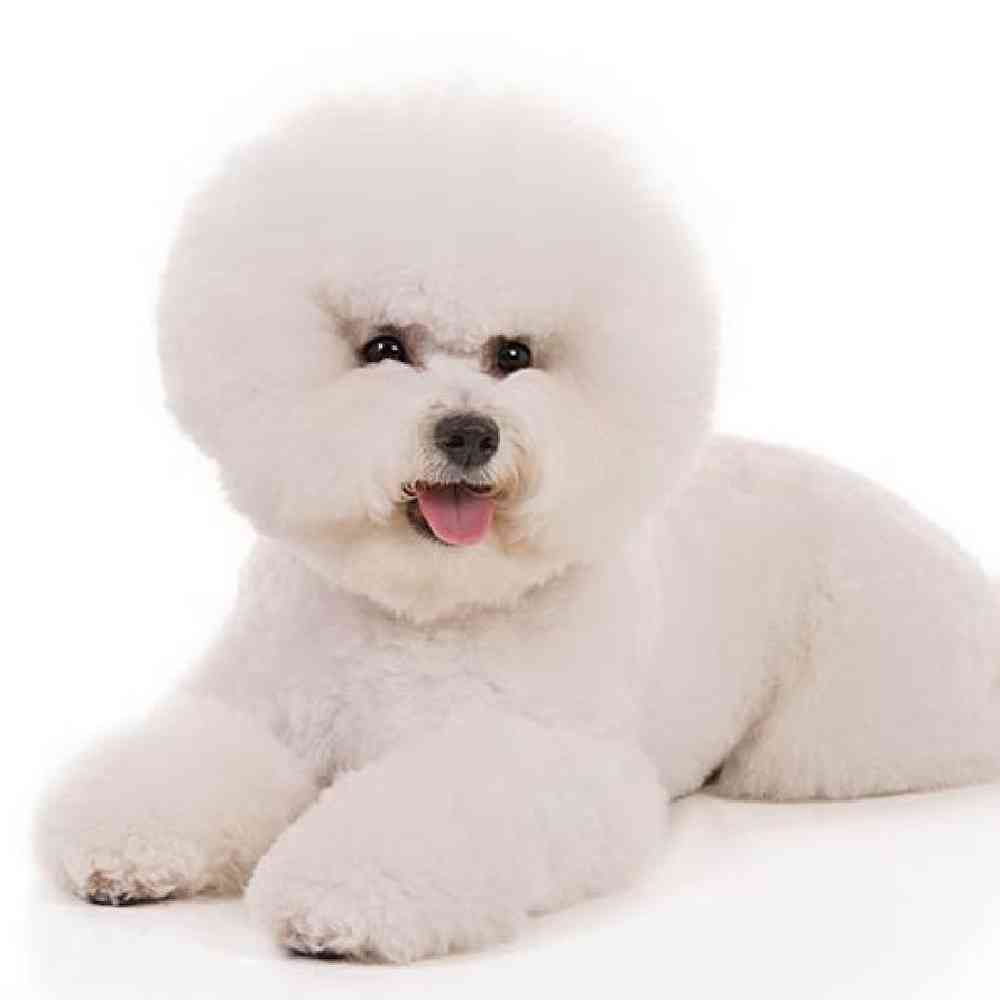
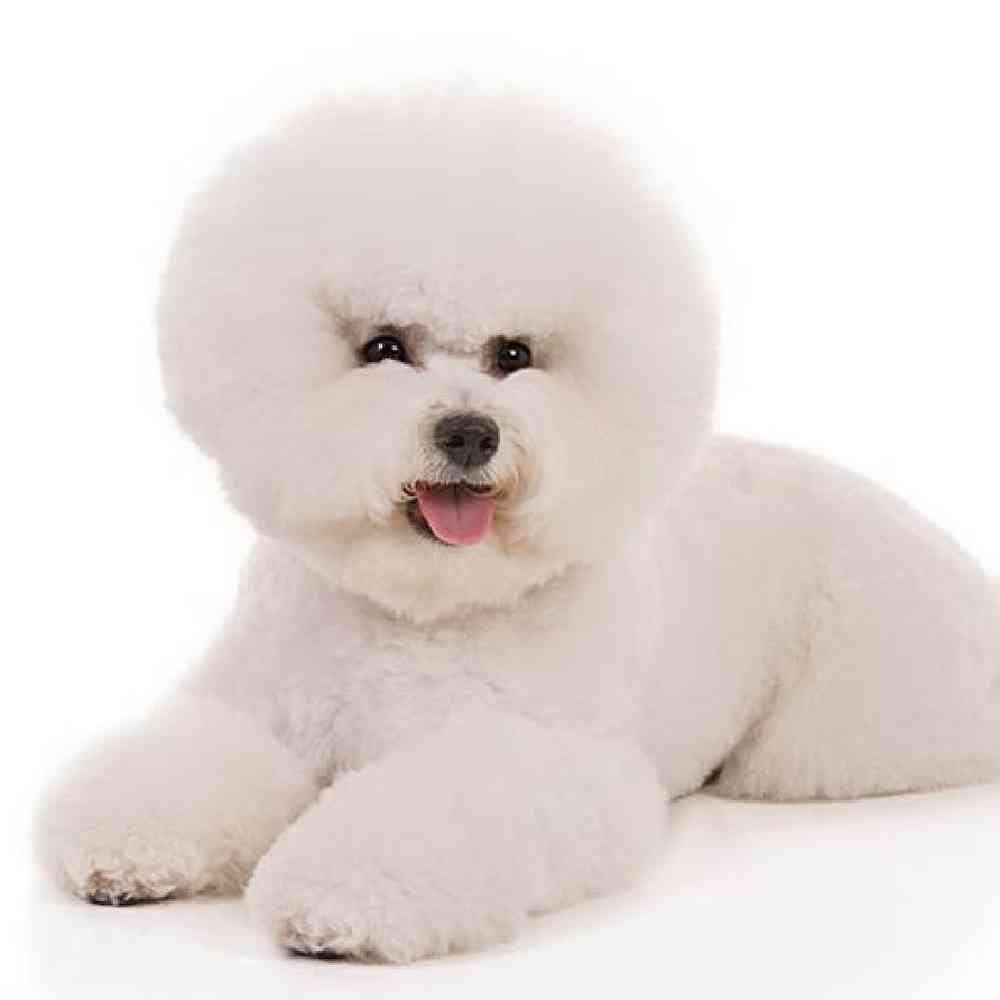
– Coat: Soft, dense, and curly, often highlighted by a rounded “powder-puff” head.
– Personality: Outgoing, gentle, and eager to please, Bichons adapt well to families, singles, and seniors alike.
– Exercise Needs: Moderate daily activity—short walks, indoor play, or trick training—keeps them fit and content.
– Health: Generally sturdy, though routine eye and skin checks help catch minor issues early.
Care Requirements for Bichon Frise Puppies
Raising a happy Bichon puppy revolves around consistency and gentle guidance. Focus on these fundamentals:
– Grooming: Brush several times a week to prevent tangles, schedule baths monthly, and trim coat and nails as needed.
– Diet: Offer high-quality puppy food in measured portions; speak with a vet about calorie needs as your dog matures.
– Exercise: Combine two brisk walks with interactive games to burn energy and strengthen your bond.
– Training: Start socialization early, reward desired behaviors, and keep sessions short and upbeat.
– Veterinary Care: Maintain a regular vaccination and check-up calendar to support lifelong wellness.
Where to Find Bichon Frise Puppies
Locating a responsible source requires patience and diligence. Consider these avenues:
– Online Directories: Reputable adoption sites and breed-club listings often feature available litters and adult rescues.
– Local Events: Attend dog shows or meet-the-breed gatherings to connect with ethical breeders and ask questions in person.
– Referrals: Trusted veterinarians, trainers, or fellow dog owners can point you toward reliable programs.
– Screening: Verify health testing, living conditions, and after-sale support before committing; avoid sellers who cannot provide transparent records.
Benefits of Owning a Bichon Frise
Life with a Bichon brings daily rewards, such as:
– Devoted Companionship: These dogs thrive on human interaction and quickly become affectionate family members.
– Allergy-Friendly Coat: Minimal shedding means fewer airborne allergens and less furniture fur.
– Quick Learning: Intelligence and a desire to entertain make training enjoyable for dog and owner.
– Playful Spirit: Their cheerful energy lifts moods and encourages an active lifestyle for all ages.
Conclusion:
The Bichon Frise blends beauty, brains, and a loving heart into one portable package. By researching breeders, preparing your home, and dedicating time to grooming and training, you will gain a joyful companion who returns every ounce of care with unwavering loyalty and endless smiles.