


Pionus Parrots for Sale: A Comprehensive Guide
Introduction
Pionus parrots are medium-sized, colorful birds native to the tropical regions of the Americas. Their gentle disposition, moderate noise level, and eye-catching feathers have made them increasingly popular companions. This guide outlines what to expect when considering a Pionus, from everyday care to ethical acquisition.
Characteristics of Pionus Parrots
Appearance
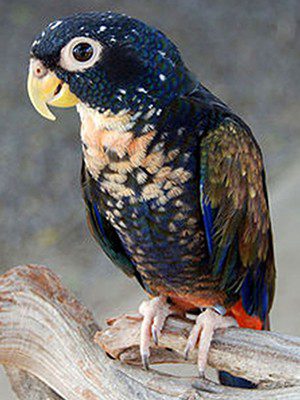
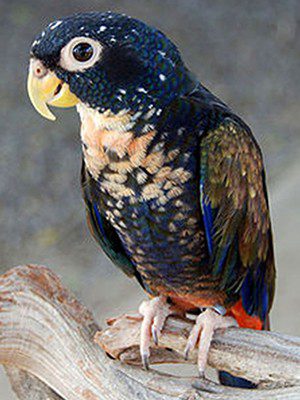
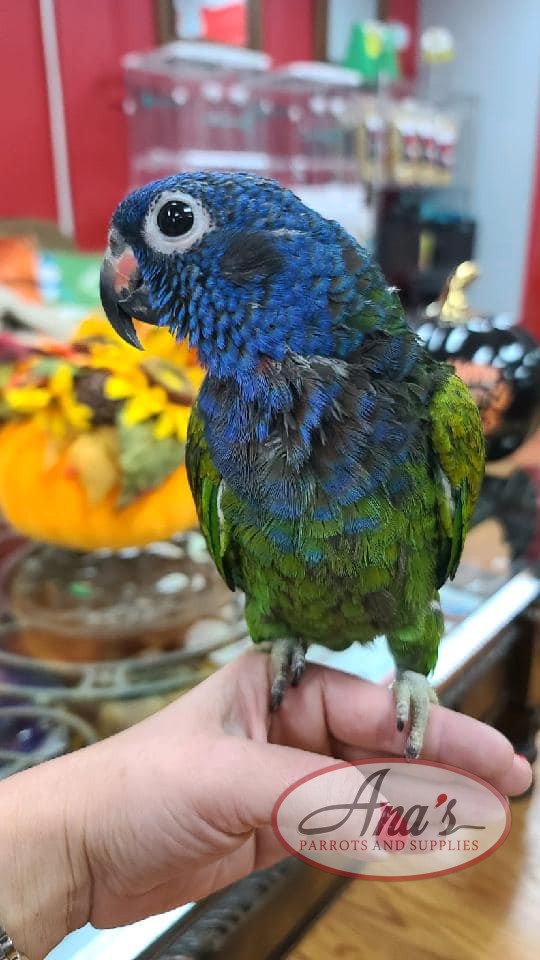
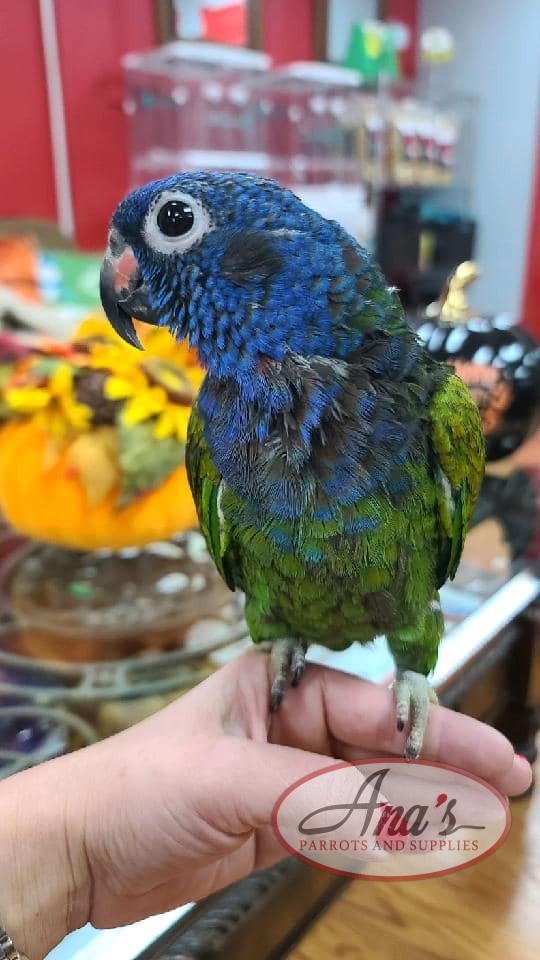
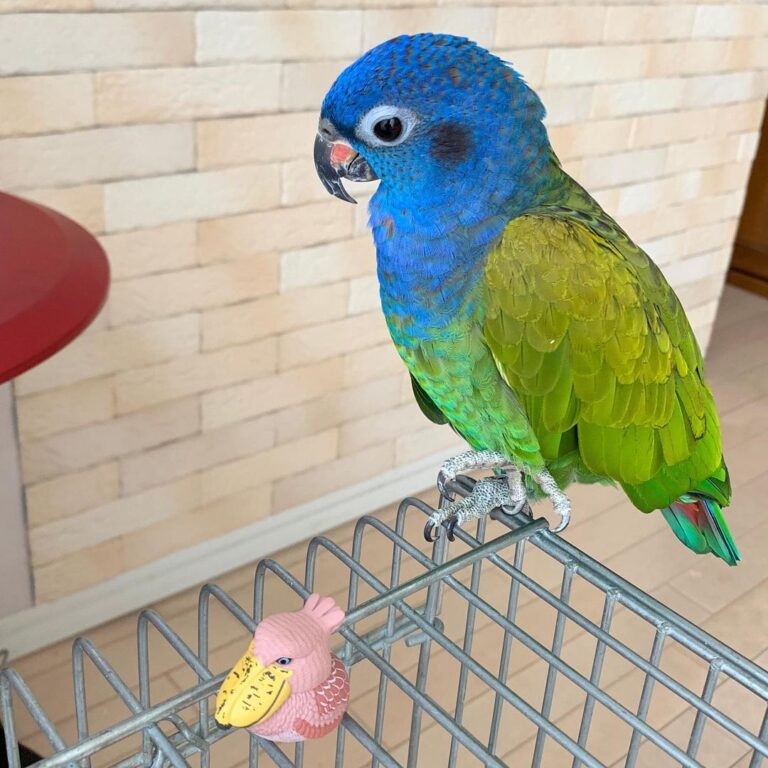
These parrots display rich blends of green, blue, and violet, often accented by subtle reds or bronze on the breast and undertail. They have compact bodies, broad wings, and a short, square tail. Most adults reach about 25–35 cm from beak to tail tip, making them easy to house without dedicating an entire room to the cage.
Personality
Pionus are generally calm, inquisitive, and affectionate without being overly demanding. They seldom bite and usually entertain themselves quietly when their humans are busy. Many owners compare their loyal, easy-going nature to that of a laid-back family dog.
Vocalization
While they will not rival an African grey’s vocabulary, Pionus can learn a handful of clear words and household sounds. Their natural calls are soft, musical chirps unlikely to disturb neighbors.
Care Requirements for Pionus Parrots
Housing
Choose the largest cage your space and budget allow; bar spacing should be 1.5–2 cm to prevent escape. Include natural wood perches of varying diameters, a sturdy food bowl, and toys that encourage foraging. Daily out-of-cage time on a secure play stand is essential for exercise and mental stimulation.
Diet
Offer a base of high-quality pellets supplemented by fresh vegetables, leafy greens, and small portions of fruit. Avoid avocado, chocolate, caffeine, and salty snacks. Clean, filtered water must be replaced twice daily.
Training and Socialization
Begin gentle handling from day one. Short, positive sessions targeting step-up, step-down, and recall build trust and prevent territorial behavior. Rotate toys weekly and introduce new experiences—such as supervised showers or car rides—to keep the bird confident and adaptable.
Health Care
Schedule annual wellness exams with an avian vet. Watch for signs of respiratory distress, overgrown beak, or feather damage. Balanced humidity, indirect sunlight, and regular baths help maintain healthy skin and plumage.
Responsible Breeding and Purchasing
Importance of Responsible Breeding
Ethical breeders keep detailed health records, allow fledging before weaning, and never over-produce chicks. They also support conservation programs that protect wild Pionus habitats.
Importance of Responsible Purchasing
Visit the facility in person: birds should be active, alert, and housed in clean flights. Ask for health guarantees and a written contract. Whenever possible, adopt from a reputable rescue; many young Pionus enter re-homing networks through no fault of their own.
Conclusion
A Pionus parrot can reward the right household with quiet companionship and gentle affection for 25 years or more. By providing spacious housing, balanced nutrition, and steady interaction—and by sourcing your bird ethically—you lay the groundwork for a fulfilling, lifelong friendship.
References
– General Avian Care Manual, Association of Avian Veterinarians
– Pionus Species Profile, World Parrot Trust
– Choosing Your First Parrot, Humane Society Guide
– Parrot Rescue Network Adoption Handbook


