
Lost Pets in the Midwest: A Broad Look at Reuniting Families with Their Animals
Introduction
When a companion animal goes missing, the emotional toll on caregivers can be overwhelming. Across the Midwest, countless dogs, cats, and other pets slip out of open doors or bolt during storms, leaving families anxious and searching. This overview explores common hurdles, practical solutions, and community-driven programs that help bring these animals home safely.
Challenges Faced by Missing Pets and Their Families
1. High Number of Strays
Urban parks, quiet suburbs, and farmland alike report frequent stray sightings. Seasonal fireworks, sudden weather changes, and unsecured gates all contribute to the steady stream of animals that end up lost each year.
2. Limited Recovery Resources
Many counties operate only a handful of shelters, and after-hours veterinary access can be sparse. Transport costs, overtime fees, and shortages of trained volunteers sometimes slow the search process.
3. Gaps in Public Awareness
New owners may not realize how quickly a curious puppy can dig under a fence or how a frightened cat will hide within a three-house radius. Without basic prevention tips, preventable escapes turn into prolonged ordeals.
The Role of Community Pet-Recovery Networks
1. Centralized Reporting Tools
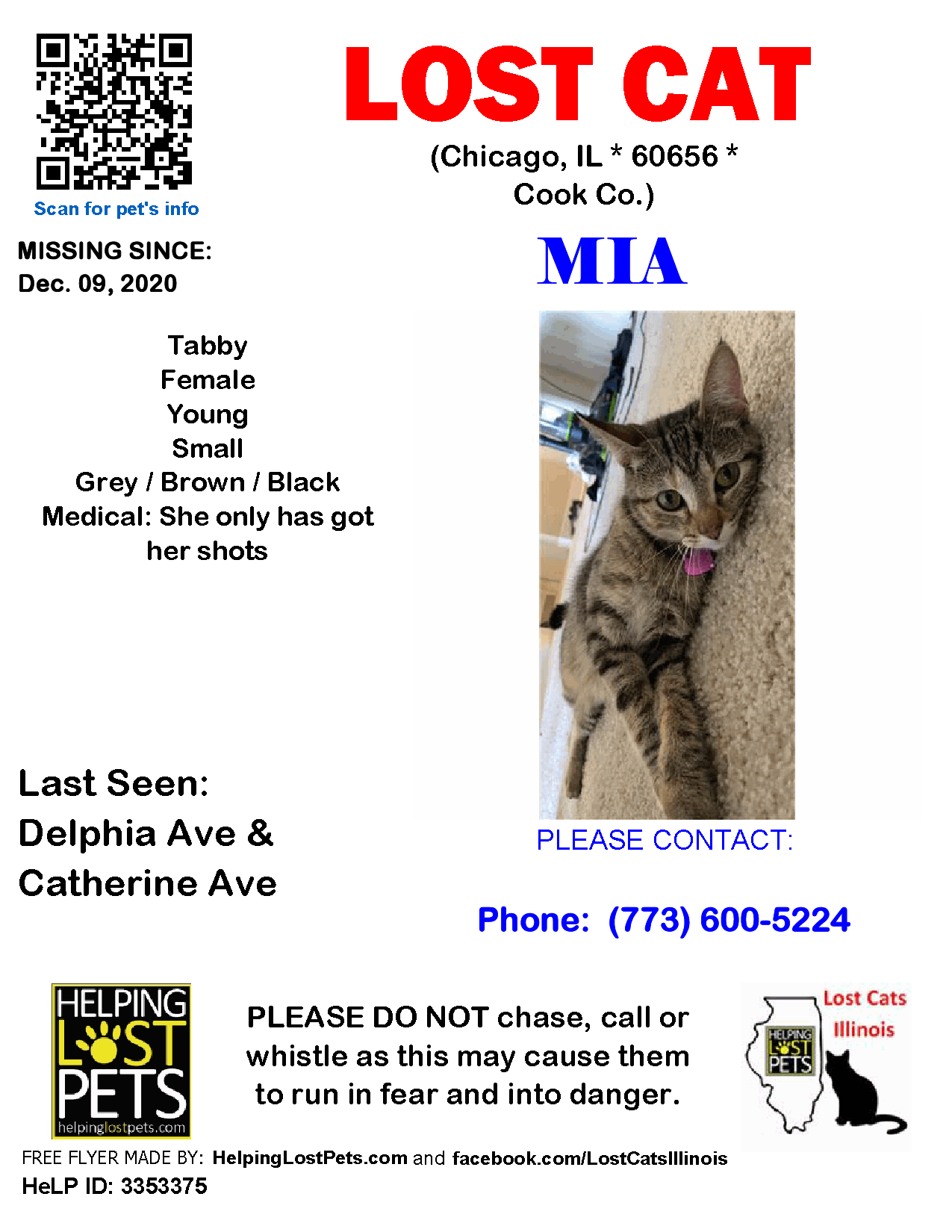
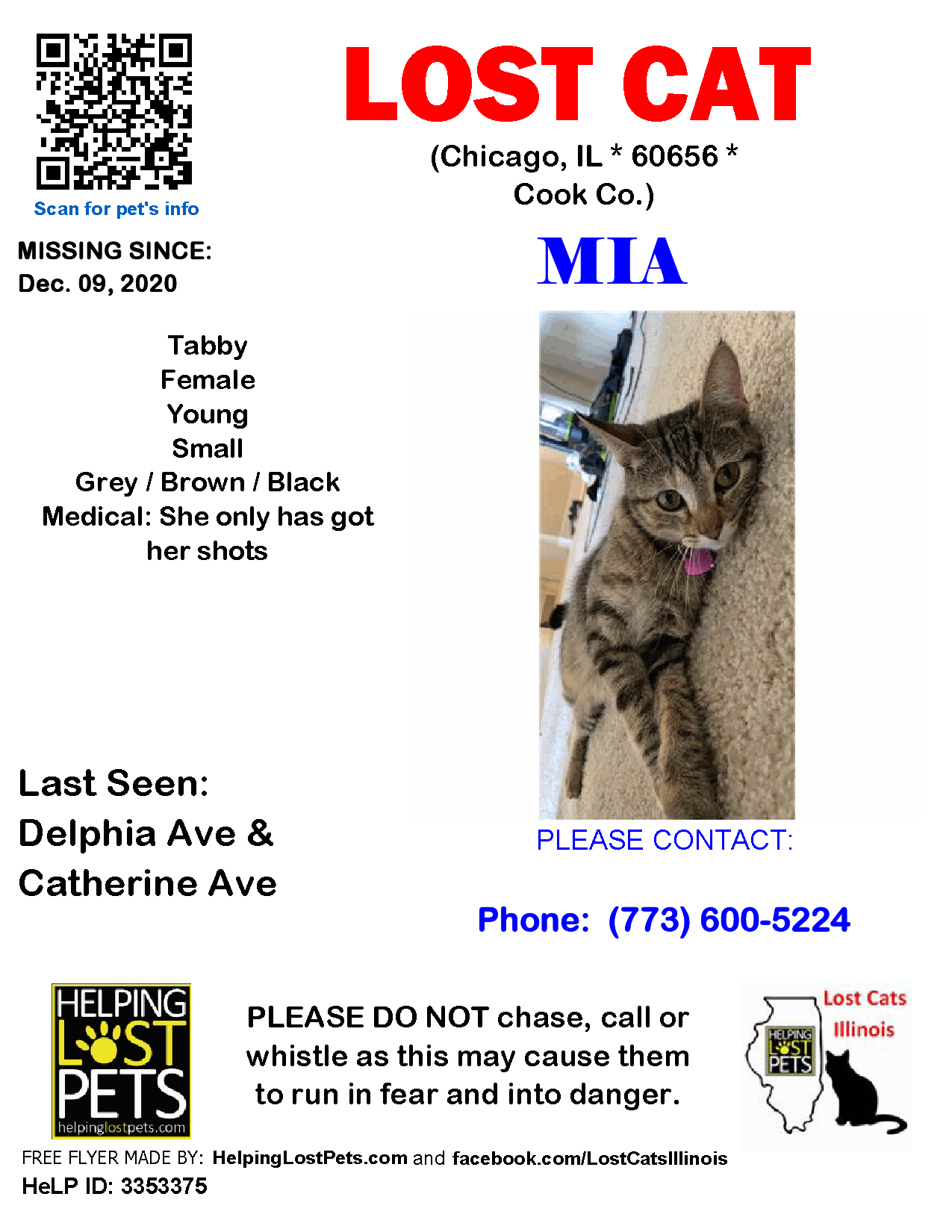
Regional websites and social media groups allow owners to upload photos and last-known locations within minutes. Alerts are then shared with neighborhood watch pages, groomers, and local veterinarians.
2. Partnerships with Shelters
Coordinated lists of found animals are updated twice daily, reducing duplicate intakes and helping staff match descriptions faster. Volunteers often shuttle pets between facilities to expand visibility.
3. Outreach and Education
Free weekend workshops teach simple steps—fitting break-away collars, updating ID tags, and scheduling microchip scans. School visits and library bulletin boards reinforce the message for the next generation of pet guardians.
Proven Strategies for Getting Pets Home
1. Microchipping
A tiny chip the size of a grain of rice, injected under the skin, stores a unique code linked to the owner’s contact details. Most clinics and shelters scan new arrivals automatically, dramatically increasing the odds of a quick reunion.
2. Visible Identification
Sturdy tags engraved with at least one phone number remain the fastest way for a Good Samaritan to call before ever reaching a shelter. Reflective material also adds nighttime safety for outdoor cats.
3. Rapid Use of Recovery Services
Posting on neighborhood apps, calling nearby facilities, and filing a report with a centralized database within the first 24 hours keeps the search focused and prevents animals from being transferred out of the area.
Outcomes and Success Stories
Across towns and counties that promote these combined tactics, return-to-owner rates have climbed steadily. Tales of dogs found 30 miles away after two weeks, or indoor cats discovered hiding under a neighbor’s deck, underscore how persistence and community cooperation pay off.
Conclusion
Lost-animal incidents remain a recurring challenge, but informed owners, supportive shelters, and proactive networks can turn panic into positive outcomes. By embracing microchips, visible ID tags, and immediate outreach, communities continue to strengthen the safety net that brings beloved pets back to the families who miss them.