Cockapoo Tail Styles: A Friendly Overview
Introduction
The Cockapoo, a cheerful mix of Cocker Spaniel and Poodle, wins people over with its playful nature and cuddly looks. One feature that varies widely is the tail, which can appear in several shapes and lengths. This guide walks through the most common tail styles, explains why they differ, and offers simple care tips so every owner can keep their companion comfortable and handsome.
The Evolution of Cockapoo Tail Styles
1. Natural Tail
Many Cockapoos are born with a full, feathered tail that gently tapers to a point. Often called a “plume,” it waves like a banner when the dog runs and mirrors the elegant lines seen in both parent breeds. Owners who love a classic silhouette usually favor this style.
2. Docked Tail
Some puppies have the tip shortened soon after birth, a procedure that leaves a neat, blunt end. Advocates say it can lower the risk of future injuries, especially for very active dogs, while critics question the need for cosmetic alteration. Laws and veterinary guidelines differ by region, so the practice is becoming less common unless there is a medical reason.
3. Stumpy or Bob Tail
Occasionally a Cockapoo inherits a naturally short tail that looks like a small pom-pom. This bobbed appearance is caused by a harmless genetic variation, not by surgery. Fans of the look enjoy the permanent “puppy” vibe it gives the dog.
Factors Influencing Cockapoo Tail Styles
1. Genetics
Which genes the puppy picks up from each parent largely decides tail length and fullness. A stronger Cocker influence tends to produce a longer, well-feathered tail, whereas a dominant Poodle line may yield a tighter, curlier, or even shorter tail.
2. Breeding Choices
Responsible breeders track tail traits over several generations. Some lines are stabilized for a natural plume, while others occasionally produce the short-bob look. Ethical breeders prioritize health and temperament over any single physical detail.
3. Health and Lifestyle
Occasionally a vet may recommend partial amputation after an injury, such as a break or repeated happy-tail splitting. These medical decisions are made case by case and are not planned for cosmetic reasons.
Grooming and Care for Different Tail Styles
1. Natural Tail
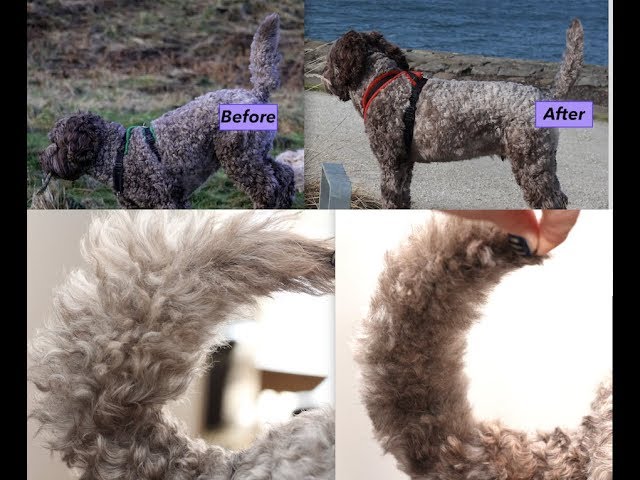
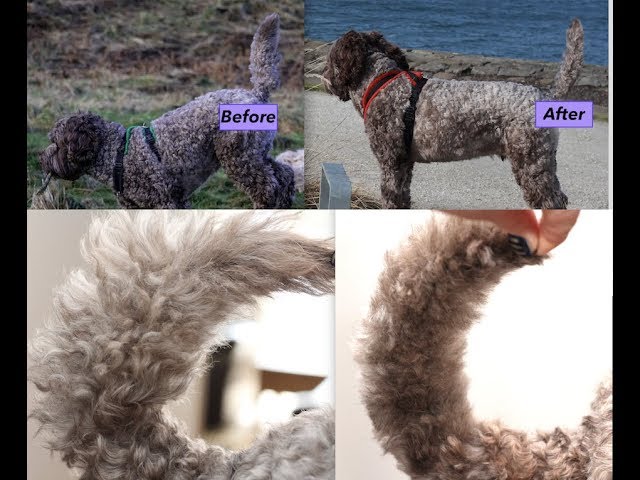
A full tail needs regular brushing to prevent mats, especially where the feathering is longest. A quick trim every few weeks keeps the fur tidy and reduces pickup of burrs or twigs during walks. Check the underside for any scrapes or fleas after outdoor play.
2. Docked Tail
With less length, grooming time drops, but the blunt end still collects dirt. Wipe it clean after muddy outings and feel for any bumps or sensitivity that might signal a skin issue.
3. Stumpy Tail
The tiny tail is the easiest to maintain: a gentle wipe and a brief inspection for redness are usually enough. Because the area can be harder to see, make it part of your weekly cuddle routine.
Conclusion
Whether your Cockapoo sports a flowing plume, a neat dock, or an adorable bob, the tail is just one part of this breed’s endless charm. Good grooming, routine vet checks, and plenty of affection matter far more than length or shape. Celebrate the tail your dog was born with, and you’ll both wag happily ever after.
Future Research
Scientists continue to map the genes behind tail length in mixed breeds, while welfare studies examine how different tail types affect balance and communication. Owner surveys may also shed light on changing tastes and the shift toward leaving dogs in their natural form whenever possible.