
The Impact of Online Pet Marketplaces: A Comprehensive Overview
Introduction
The emergence of digital pet marketplaces has transformed how families welcome a new dog into their lives. These portals promise round-the-clock browsing, doorstep delivery, and an apparently endless choice of breeds. Yet the same technology that brings joy to living rooms has also fueled worries about welfare standards, transparency, and consumer protection. This overview explores how online puppy platforms operate, weighs their societal effects, and suggests practical steps toward a safer, more humane experience for both people and pets.
The Expansion of Digital Puppy Platforms
In recent years, listings for young dogs have multiplied across specialized websites and social-media groups. Sellers upload photos, pedigree notes, and price tags, while shoppers filter by size, coat type, or energy level before arranging payment and transport. The process can be completed faster than booking a weekend trip, a convenience that continues to attract millions of first-time and seasoned owners alike.
Convenience is only part of the draw. Many sites now offer video calls, health guarantees, and user reviews, creating a sense of reassurance that once required a long drive to a kennel. The result is a global, 24-hour marketplace where a litter born today can be reserved tonight by someone hundreds of miles away.
Welfare and Ethical Questions
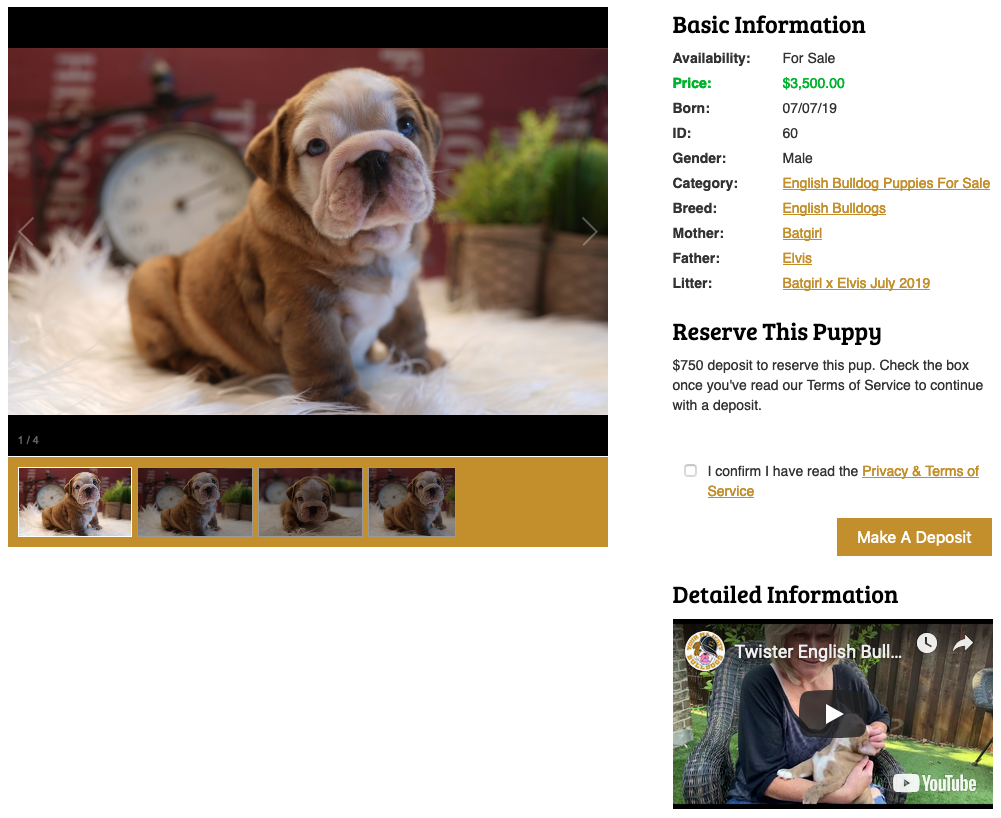
Speed and distance can obscure important details. When profit becomes the main driver, breeding facilities may cut corners on space, hygiene, and veterinary care. Puppies raised in crowded or barren conditions often develop behavioral or medical problems that surface weeks after arrival, leaving families heartbroken and facing unexpected vet bills.
Equally troubling is the limited visibility into parent dogs. A single post might show a cheerful eight-week-old pup but reveal nothing about the mother’s health, the frequency of litters, or the conditions in which the first weeks of life were spent. Without such context, well-meaning buyers can unintentionally support practices they would never endorse in person.
Fraud Risks for Consumers
Where demand is high and regulation lags, scams flourish. Fake sellers copy photos from legitimate breeders, advertise below-market prices, and pressure eager buyers to pay deposits before disappearing. In other cases, a puppy exists but is delivered underage, unvaccinated, or never arrives at all. The emotional fallout—especially for children awaiting a long-promised friend—can be as painful as the financial loss.
Because many transactions cross borders or use payment methods that offer little recourse, recovering money is difficult. The anonymity of the internet makes it simple for a fraudulent account to reappear under a new name the following week.
Wider Effects on Communities
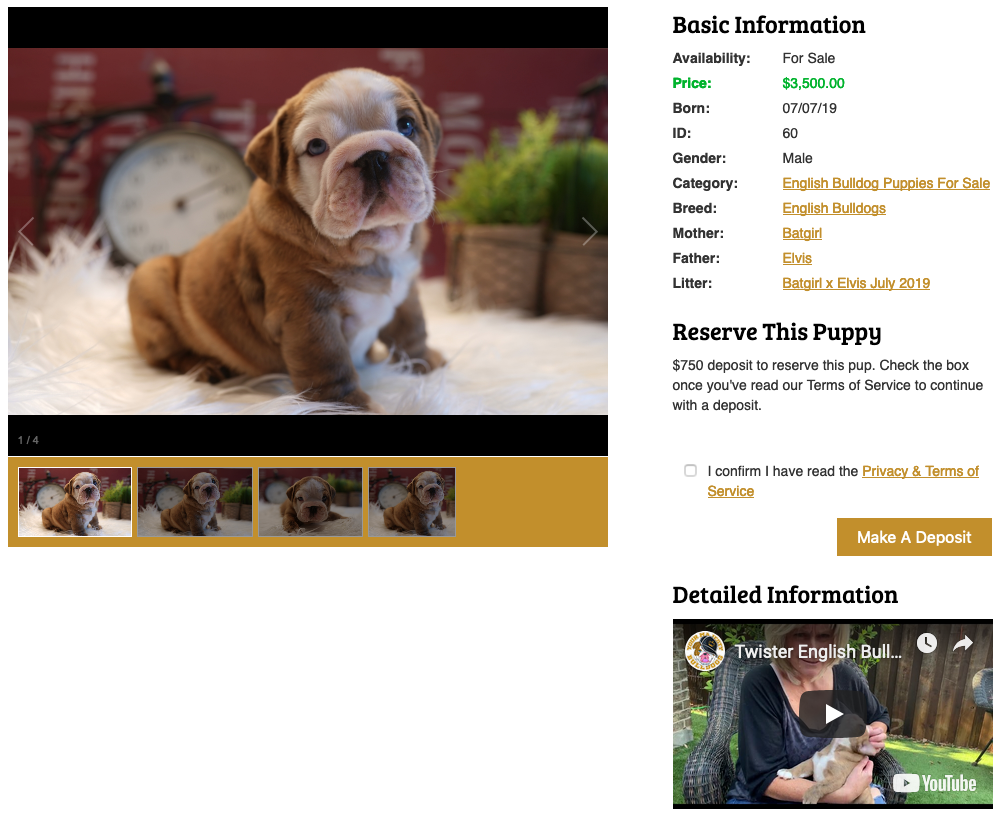
Easy access to impulse purchases feeds a cycle that stretches shelters and rescue groups. When reality collides with glossy online profiles—perhaps the grown dog is larger, more energetic, or costlier than expected—some animals are rehomed or surrendered. Local rescues then absorb the burden, and public resources are diverted to address the fallout.
At the same time, the popularity of certain “trending” breeds encourages intensive breeding of those types, sometimes at the expense of genetic diversity and long-term health. The conversation has moved beyond living rooms to city councils, where advocates push for stronger standards and clearer accountability.
Pathways to Improvement
Several practical measures can tilt the balance toward welfare and transparency:
1. Clearer disclosure rules: Platforms can require sellers to upload recent veterinary records, photos of parent dogs, and evidence of humane housing. Verified badges for sellers who meet third-party welfare audits would help shoppers identify responsible sources.

2. Secure payment channels: Holding funds in escrow until the buyer confirms receipt of a healthy puppy reduces the success rate of scams. Coupled with traceable transport, this step protects both parties.
3. Education at the point of sale: Short, mandatory quizzes on breed needs, lifetime costs, and local registration laws could slow impulsive decisions and match pets with prepared homes.
4. Spotlighting adoption: Integrating listings from accredited shelters and foster networks gives every visitor a humane alternative. Success stories, training grants, and post-adoption support can shift culture from “order today” to “adopt and support.”
Conclusion
Online puppy marketplaces are unlikely to disappear; their convenience resonates with modern lifestyles. By demanding verifiable welfare information, using secure transaction tools, and presenting adoption alongside purchase options, these platforms can still connect families with healthy dogs while reducing harm. A shared commitment among websites, regulators, and the public can ensure that the next click leads to a wagging tail—and not to a cautionary tale.