


Adopting a Senior Dog: A Gentle Path to a Loyal Friend
Introduction
Bringing home a senior dog is often overlooked when people dream of a new pet, yet the rewards can be unexpectedly rich. This guide explores why mature dogs deserve a second look, the small hurdles they may carry, and the quiet joy they add to daily life. We also highlight how shelters, foster networks, and everyday adopters work together to give older animals a fresh start.
The Quiet Gifts of a Mature Dog
1. Calm Presence
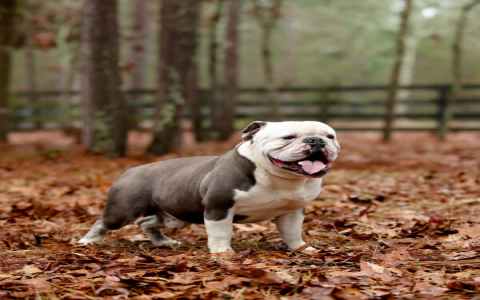
Years have softened their edges; seniors usually greet the world with steady manners rather than bounding chaos. Their lower exercise needs fit perfectly with relaxed households, apartment life, or anyone who prefers leisurely walks to marathon fetch sessions.
2. What You See Is What You Get
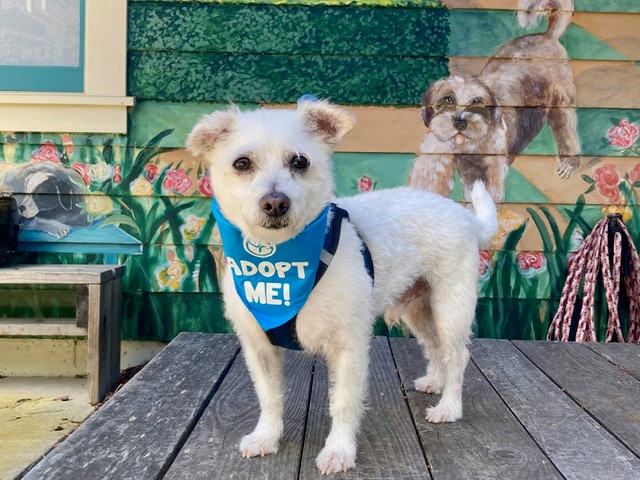
Personalities are fully formed, so there are few surprises. Staff and volunteers can tell you whether a dog adores children, ignores cats, or thinks sofa naps are the height of happiness.
3. Polished House Manners
Most older companions arrive already familiar with stairs, carpets, and the concept of “outside only.” The basics—sit, stay, come—are often in place, letting new families skip the chewed-shoe phase.
Points to Ponder Before Saying Yes
1. Gentle Aging
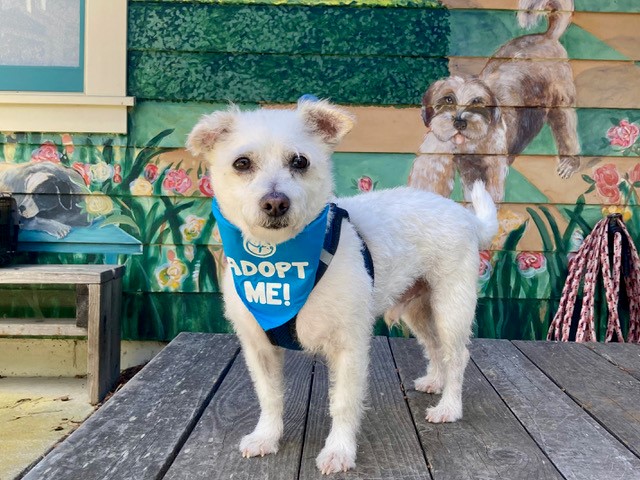
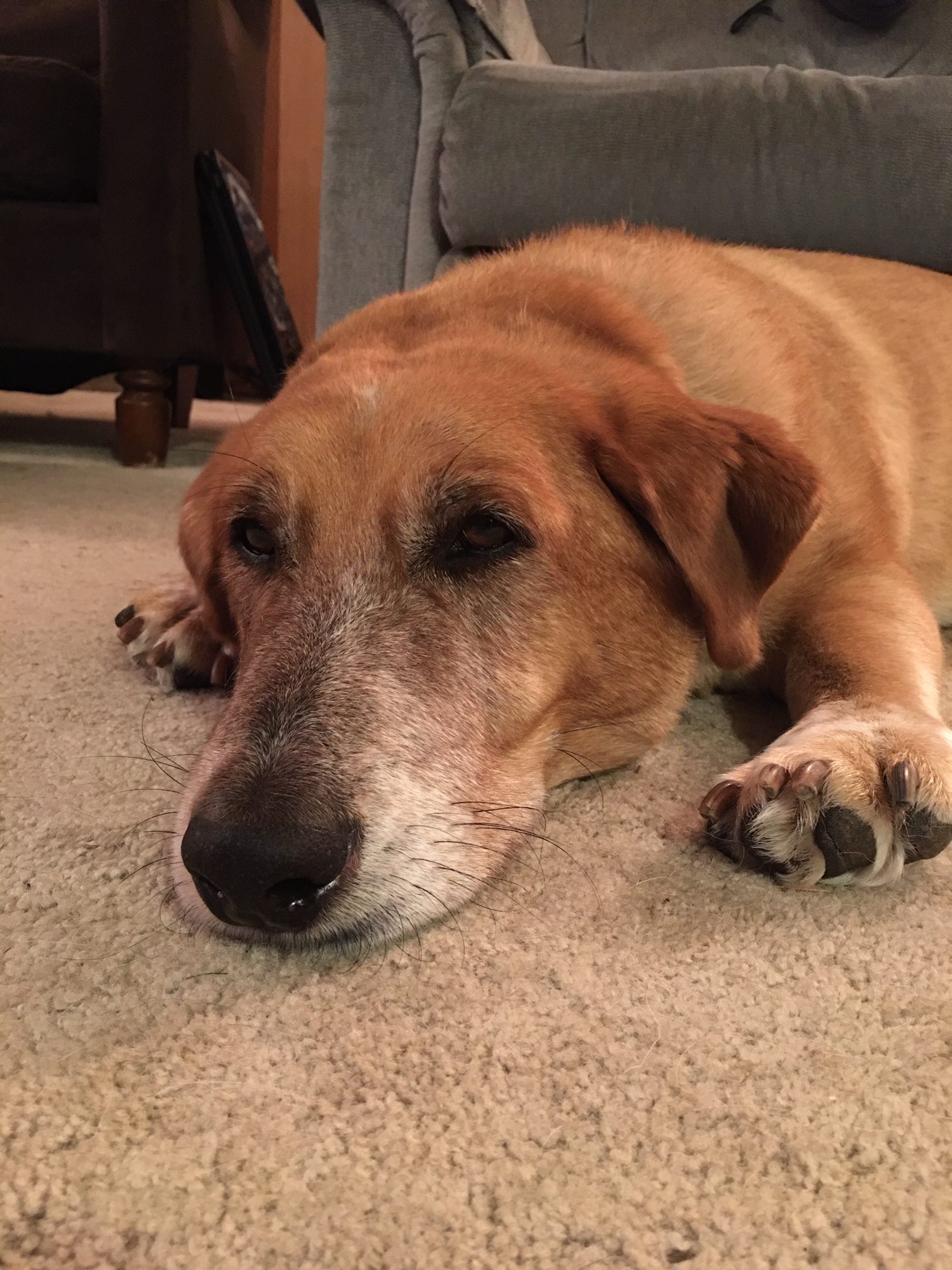
Silver muzzles sometimes mean daily medication or joint supplements. A frank chat with a vet and a modest monthly budget for wellness checks keep small issues from becoming big worries.
2. Heartfelt Timeline
The journey together may be shorter, but many guardians say the depth of love more than compensates for the years.
Where Wisdom Waits
1. Second Chances
Community shelters and grey-muzzle programs prioritize seniors, offering reduced fees, starter vet visits, and even foster-to-adopt trials so families can test the fit.
2. Ongoing Backup
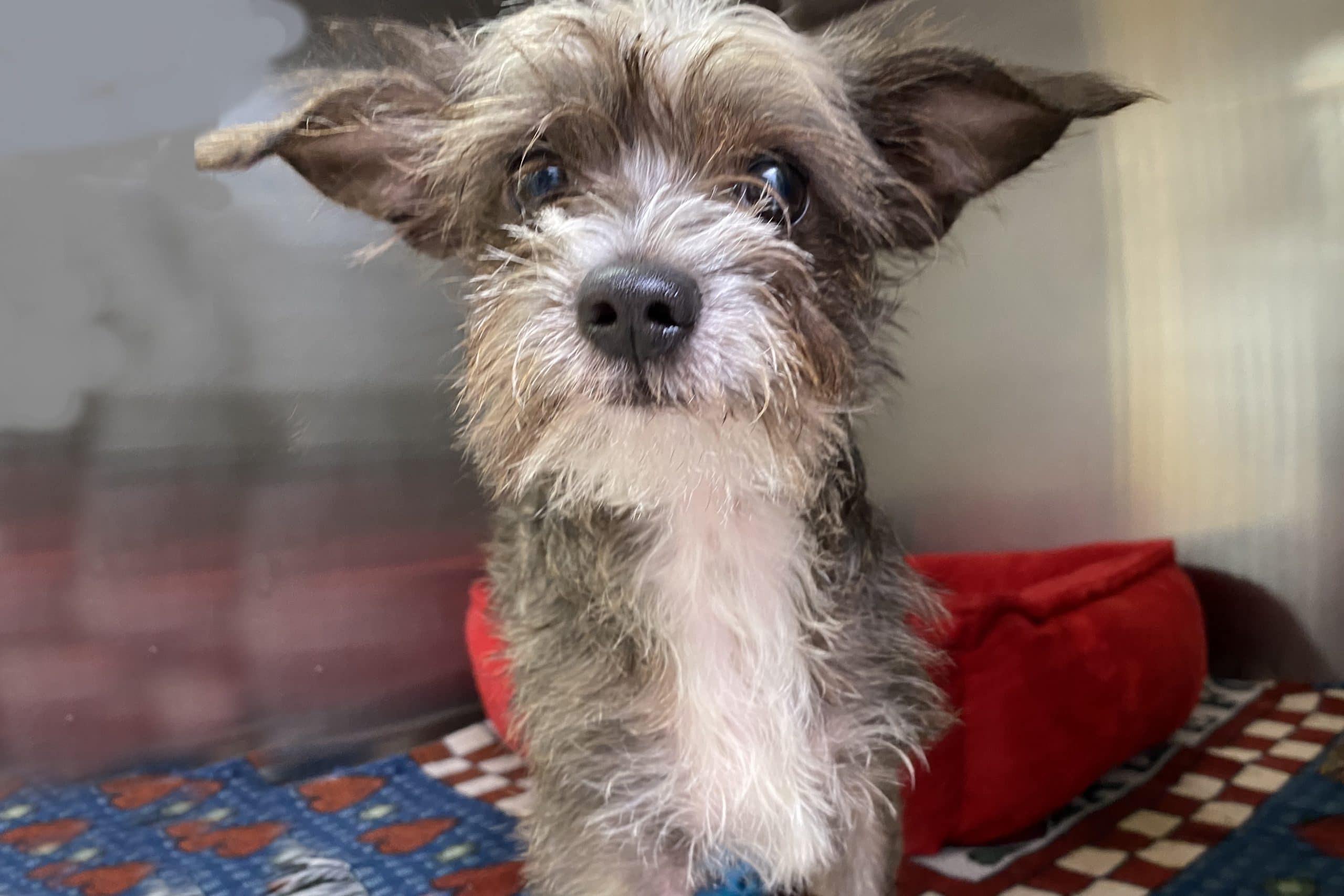
Adoption counselors remain available long after paperwork is signed, ready to advise on diet tweaks, gentle exercise routines, or simply listening when you need reassurance.
Quiet Triumphs
Many people have discovered that a senior dog completes the household picture:
> Our ten-year-old rescue curls up beside the reading chair every evening; her sighs of contentment have become our favorite soundtrack. – A. from Oregon
> We worried our toddler might be too much for him, but he simply relocated to the sofa’s safest corner and now supervises snack time with saintly patience. – L. from Toronto
Everyday Stewardship
Opening your door to an older dog is a promise, not a impulse. Responsible care includes:
1. Cozy Corners
Non-slip rugs, orthopedic beds, and ramps where needed turn an ordinary room into a retiree’s paradise.
2. Preventive Partnership
Twice-yearly wellness exams catch changes early, while dental cleanings and bloodwork keep tails wagging.
3. Age-Appropriate Plates
Lower-calorie, joint-friendly diets rich in quality protein support lean muscle without stressing aging kidneys.
Closing Thought
A senior dog asks little—soft bedding, measured walks, and a hand to rest a head upon—yet repays the favor with instant devotion. If your lifestyle favors calm over chaos, consider letting an older companion write the next chapter of life alongside you.
Next Steps & Curious Minds
If the idea feels right:
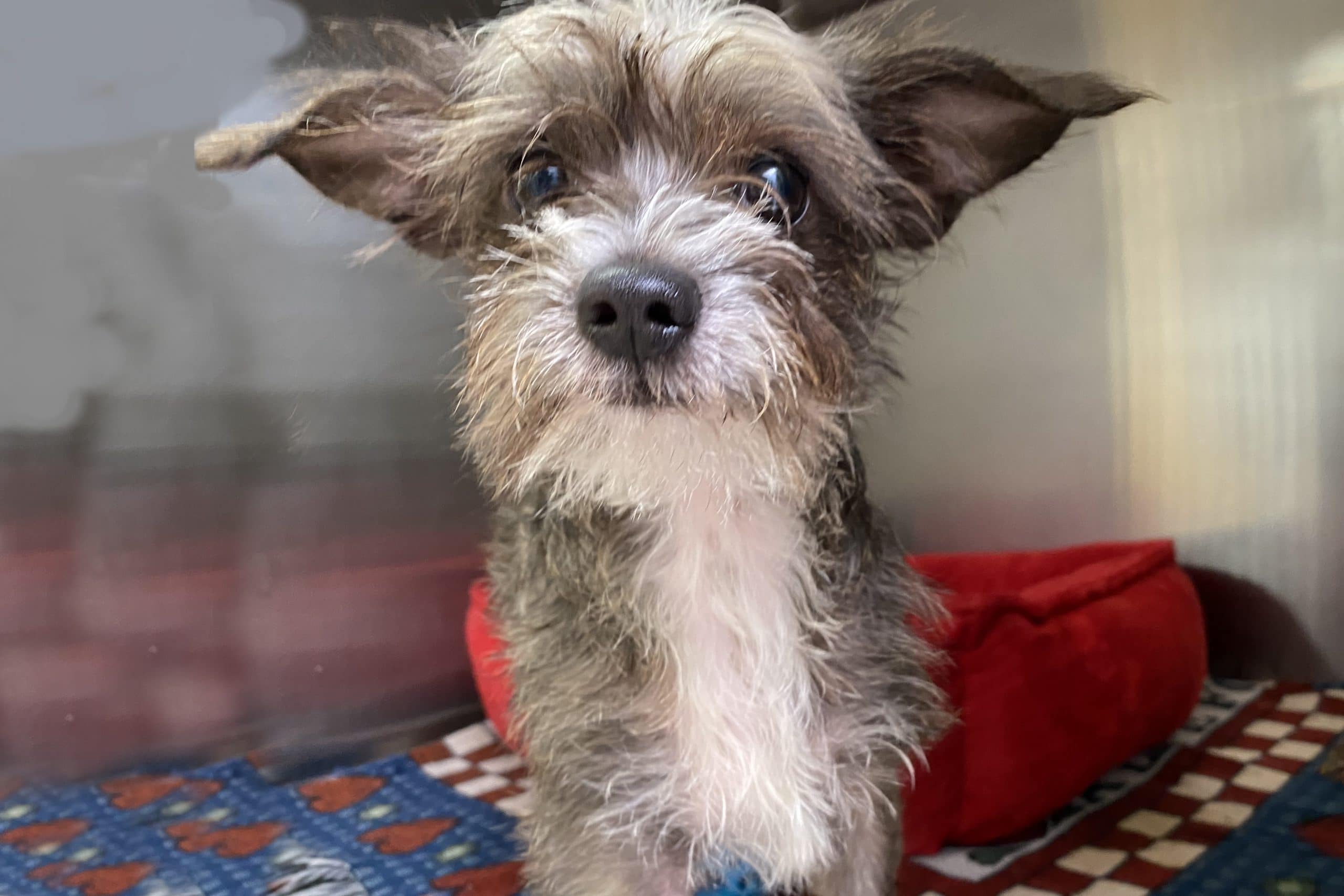
– Spend an afternoon at a nearby shelter; ask to meet the quieter residents napping behind the kennel door.
– Budget for routine senior care: supplements, semi-annual vet visits, and maybe a raised food bowl.
– Reflect on the emotional arc; cherish each season together rather than counting calendar pages.
Topics worth exploring further:
– How stable routines improve cognitive health in aging pets.
– Creative enrichment—scent games, puzzle feeders—that keeps older minds sharp without taxing joints.

– The ripple effect: how adopting one senior dog often encourages shelters to rescue the next.
In the end, choosing a senior companion is less about saving a life and more about sharing one—trading a few fleeting years for memories that linger long after paw prints fade.


