Different Types of Tuxedo Cats: A Comprehensive Guide
Introduction
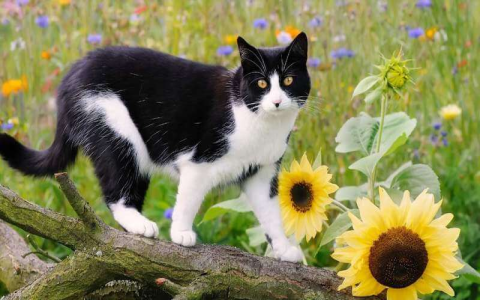
Tuxedo cats, instantly recognizable by their crisp black-and-white coats, have charmed people for generations. The pattern resembles formal evening wear, giving these cats a dapper, timeless look. This guide walks you through the main varieties of tuxedo cats, what sets each apart, and why their markings appear in the first place.
The Evolution of Tuxedo Cats
Origin and Historical Background
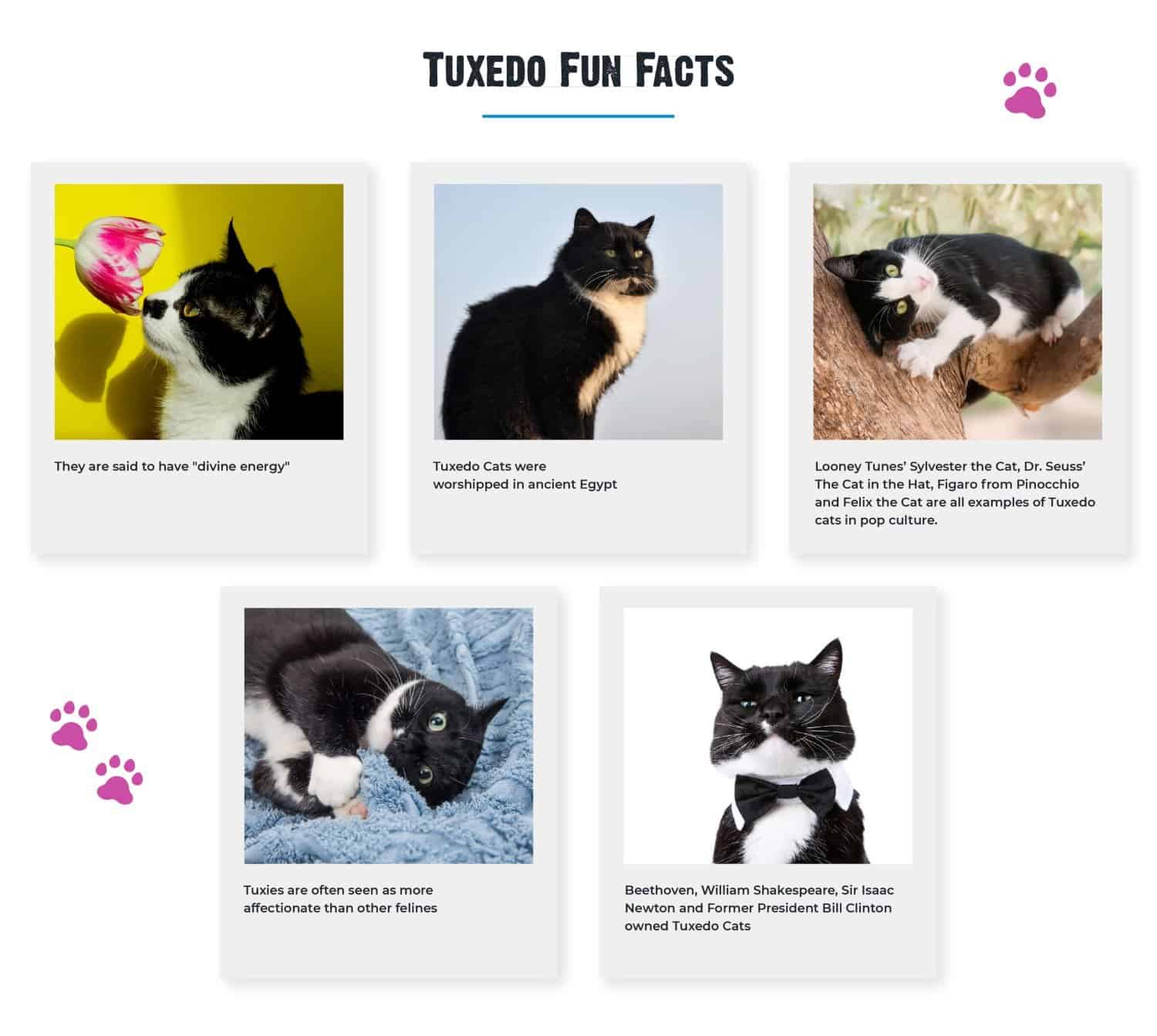
Bi-color coats like the tuxedo pattern likely emerged when domestic cats spread across Europe and North America. Early paintings and photographs from the 1800s already show cats with neat black capes and white bibs, suggesting the look is at least two centuries old.
Genetic Makeup
Two interacting genes create the signature suit: one governs black pigment, while the piebald series controls white spotting. How strongly each gene is expressed decides whether a kitten ends up with a classic bow-tie chest, white mittens, or bolder patches.
Types of Tuxedo Cats
Maine Coon
Among the largest domestic breeds, the Maine Coon pairs a shaggy coat with a friendly, dog-like personality. In tuxedo form, the dark mask that frames the eyes and the white ruff around the neck give these gentle giants a formal, almost leonine presence.
Persian
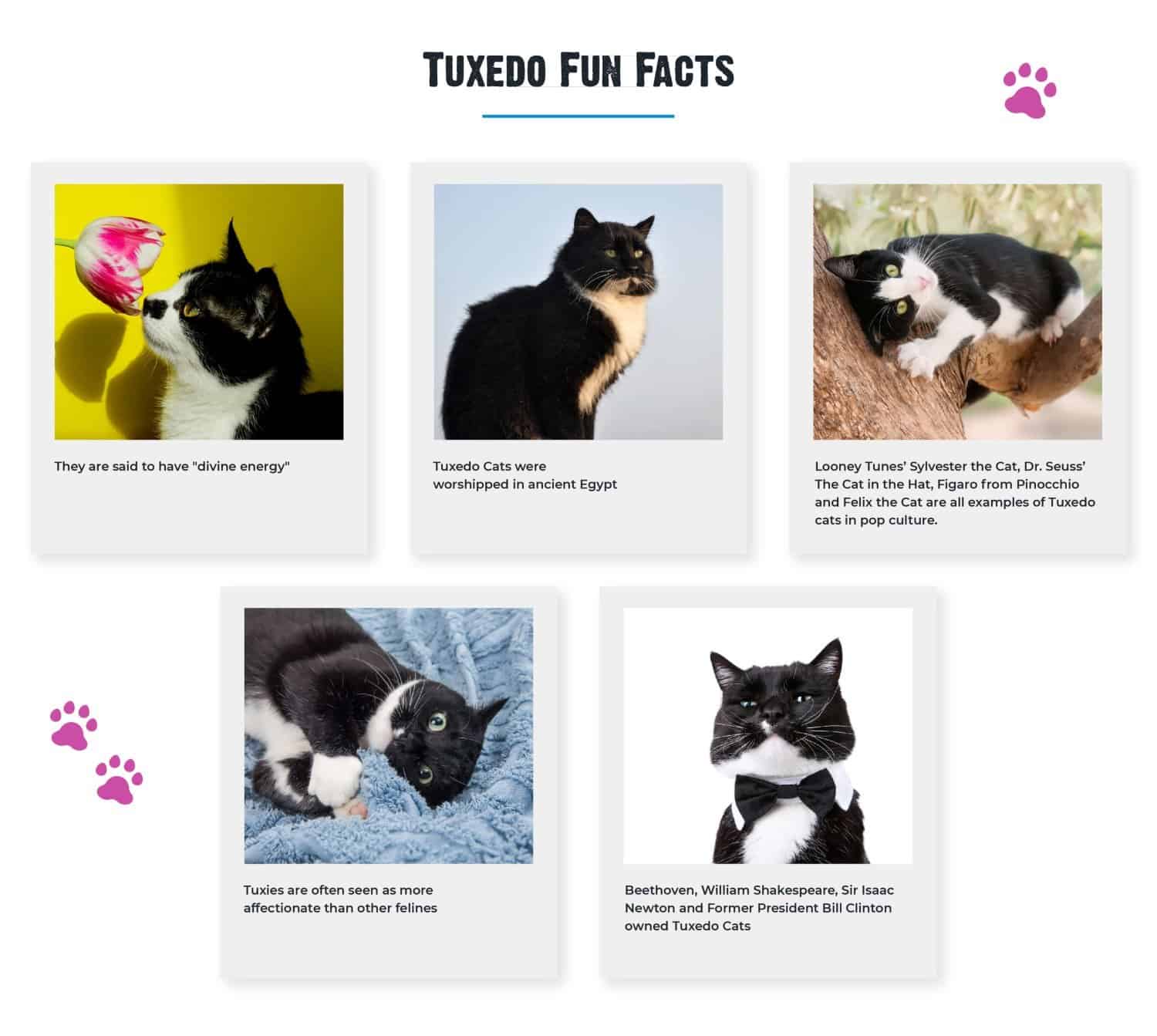
Persians bring glamour to the pattern. Their long, flowing fur and round face turn the simple black-and-white scheme into a plush, cloud-soft contrast. Daily brushing keeps the coat free of knots and highlights the crisp color divide.
American Shorthair
Sturdy and easy-going, the American Shorthair wears the tuxedo look on a dense, low-maintenance coat. Broad cheeks and a muscular frame give this version a sporty rather than aristocratic air, making it a relaxed household companion.
British Shorthair
The British Shorthair’s round head and copper or gold eyes pair naturally with the bi-color pattern. A short, crisp coat shows off the black jacket and white shirt effect, while the breed’s calm nature means it poses nicely for every photo.
Chartreux

Although best known for solid blue fur, some Chartreux lines produce striking dark-blue and white kittens. The combination of a robust body, smiling expression, and soft woolly coat creates a less common but equally elegant tuxedo variant.
Unique Characteristics of Tuxedo Cats
Coloration Patterns
Patterns range from the traditional black back and white belly to more adventurous layouts—white blaze on the nose, white tail tip, or even a “mask and mantle” look. Whatever the style, the contrast remains sharp and eye-catching.
Behavior and Temperament
Coat color does not decide personality, but owners often report that tuxedo cats are sociable, quick to learn routines, and fond of human company. Individual traits still vary, so early socialization matters more than markings.
Grooming Needs
Long-haired tuxedos need several brushing sessions a week to keep white fur bright and tangle-free. Short-haired versions thrive with a quick weekly once-over and the occasional polish with a soft cloth to make the black patches shine.
Conclusion
Whether you admire the Maine Coon’s grandeur or the Persian’s silkiness, tuxedo cats offer the same sharp-dressed appeal wrapped in a range of body types and temperaments. Knowing the needs of each breed helps match the right cat to the right home, ensuring the famous black-and-white charm brightens daily life for years to come.
Future Research and Recommendations
Continued study of the genes behind white spotting could refine our understanding of feline coat development. Meanwhile, anyone drawn to these cats should adopt from responsible sources, learn the grooming and health requirements of their chosen breed, and provide regular veterinary care. A balanced diet, enrichment, and affection will keep any tuxedo cat looking—and feeling—ready for the spotlight.