



Title: Why Do We Find Animals Cute?
Introduction:
The universal appeal of wide-eyed kittens or tumbling puppies has fascinated people across eras. This article explores why soft fur, round faces, and playful hops melt our hearts, weaving together insights from psychology, evolution, and culture. Understanding the pull of “cute” sheds light on human nature and the quiet bond between our species and the rest of the animal world.
The Psychological Aspect of Cuteness
Several mental shortcuts make us sigh with affection the moment we spot a furry bundle.
1. The Baby Schema Theory:
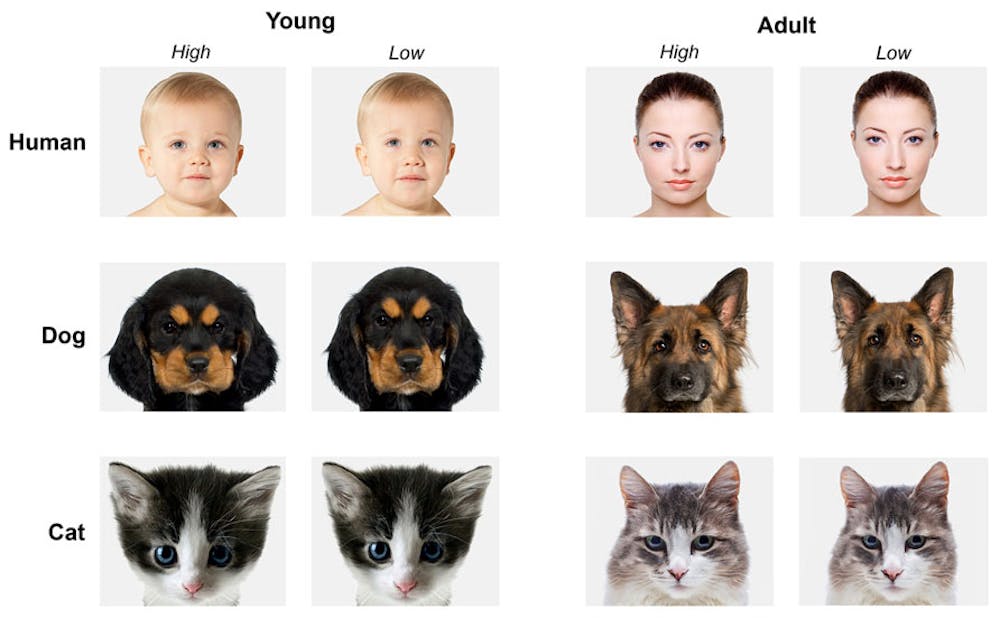
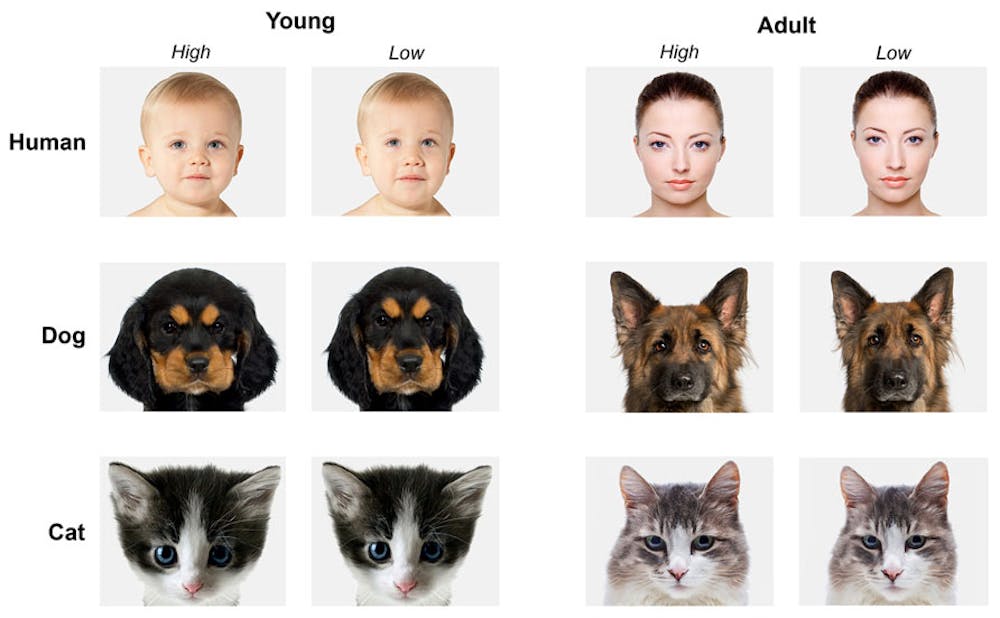
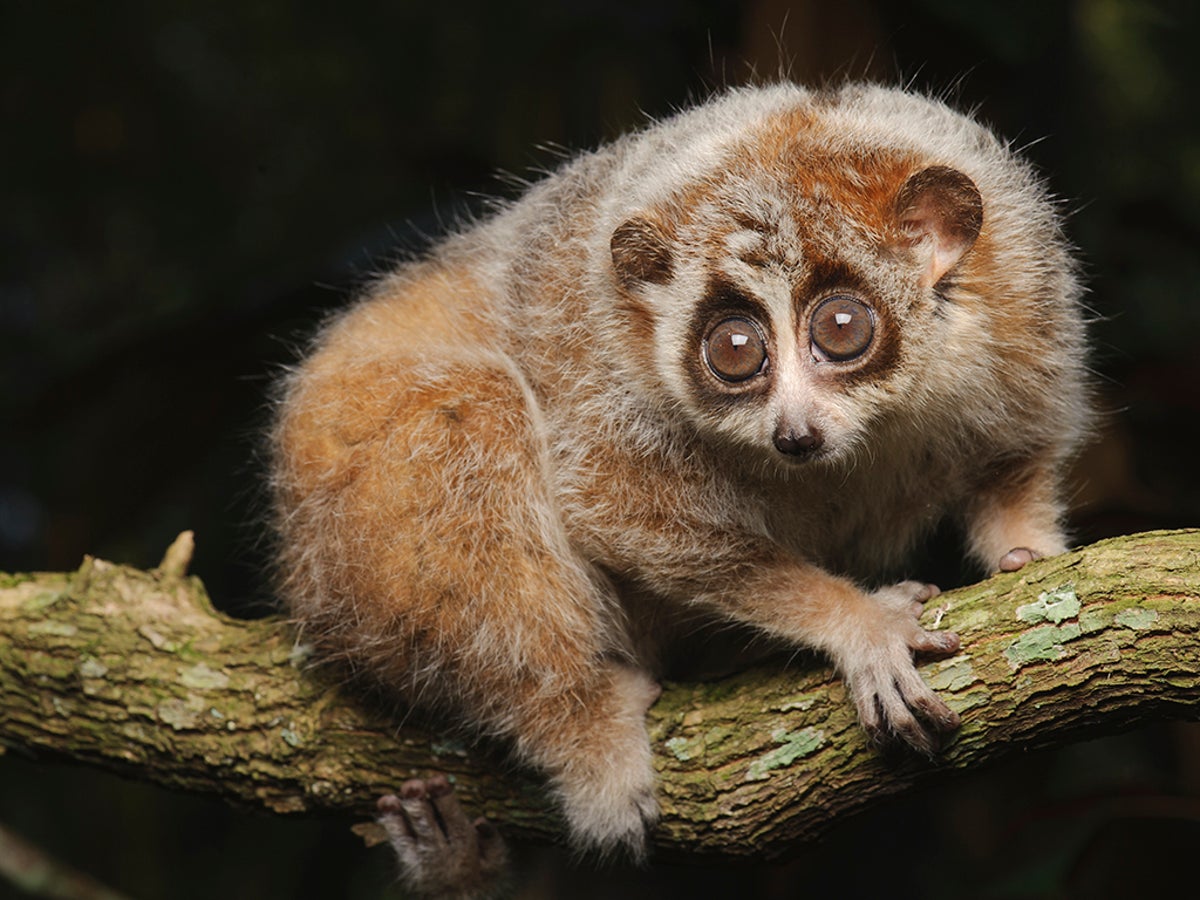
Researchers note that big eyes, chubby cheeks, and small bodies echo the look of human infants. Those infant-like cues automatically trigger nurturing feelings, encouraging us to protect and care.
2. The Caregiving Instinct:
Humans are wired to safeguard the vulnerable. When animals display helpless charm, our inner caretaker awakens, nudging us to offer comfort and shelter.
3. The Dopamine Reward System:
Viewing adorable creatures lights up the brain’s pleasure circuits, releasing dopamine and lifting mood. The result is a quick, natural high that keeps us coming back for another look.
The Evolutionary Aspect of Cuteness
From an evolutionary standpoint, finding animals endearing may have offered hidden advantages.
1. Mate Selection:
People who show tenderness toward small, cute beings are often seen as gentle and reliable—traits that can signal good parenting potential, thereby increasing their own attractiveness.
2. Altruistic Behavior:
Responding warmly to helpless animals can spill over into kindness toward fellow humans, strengthening group cohesion and mutual support—cornerstones of survival in early communities.
The Cultural Aspect of Cuteness
Ideas of cuteness shift with time and place, shaped by shared stories and images.
1. Media and Advertising:
Commercials and social feeds frequently feature fluffy mascots to spark positive emotions, reinforcing the notion that cute equals good and trustworthy.
2. Art and Literature:
From ancient folktales to modern animation, artists have celebrated playful, wide-eyed creatures as symbols of innocence and joy, embedding them deeply in collective imagination.
Conclusion
Our affection for adorable animals is stitched from many threads: built-in mental triggers, evolutionary payoffs, and cultural storytelling. Recognizing these layers not only deepens our self-understanding but also encourages empathy and stewardship toward all living things.
Future Research:
Scientists could map the precise brain pathways that translate big eyes into warm feelings, examine why some individuals respond more strongly than others, and compare how different societies define and deploy cuteness. Such work promises richer insight into the subtle forces that guide human compassion.


