
Title: Online Canine Marketplaces: Trends, Influence, and Responsibility
Introduction:
The internet has reshaped daily life, including how people welcome pets into their homes. Digital portals dedicated to matching dogs with new families have flourished, offering unprecedented ease of browsing, comparing, and arranging adoptions or purchases. This overview examines the expansion of such platforms, their ripple effects across the companion-animal sector, and the moral questions they raise.
The Rise of Online Canine Marketplaces
Convenience is the primary engine behind the surge in web-based dog listings. Prospective guardians can review photos, descriptions, and temperament notes without leaving the sofa, while caregivers reach a far wider audience than a neighborhood flyer could ever achieve. Global demand for canine companionship has further accelerated growth, encouraging region-specific or breed-focused sites to multiply.
Improved logistics and secure payment tools have also lowered barriers, allowing responsible owners to re-home a pet quickly or help a planned litter find caring households across town or across borders.
The Impact on the Pet Ecosystem
By bringing transparency and competition to pricing, online platforms have placed pet ownership within reach of more budgets. The resulting rise in responsible guardianship has boosted veterinary services, training businesses, and supply retailers.
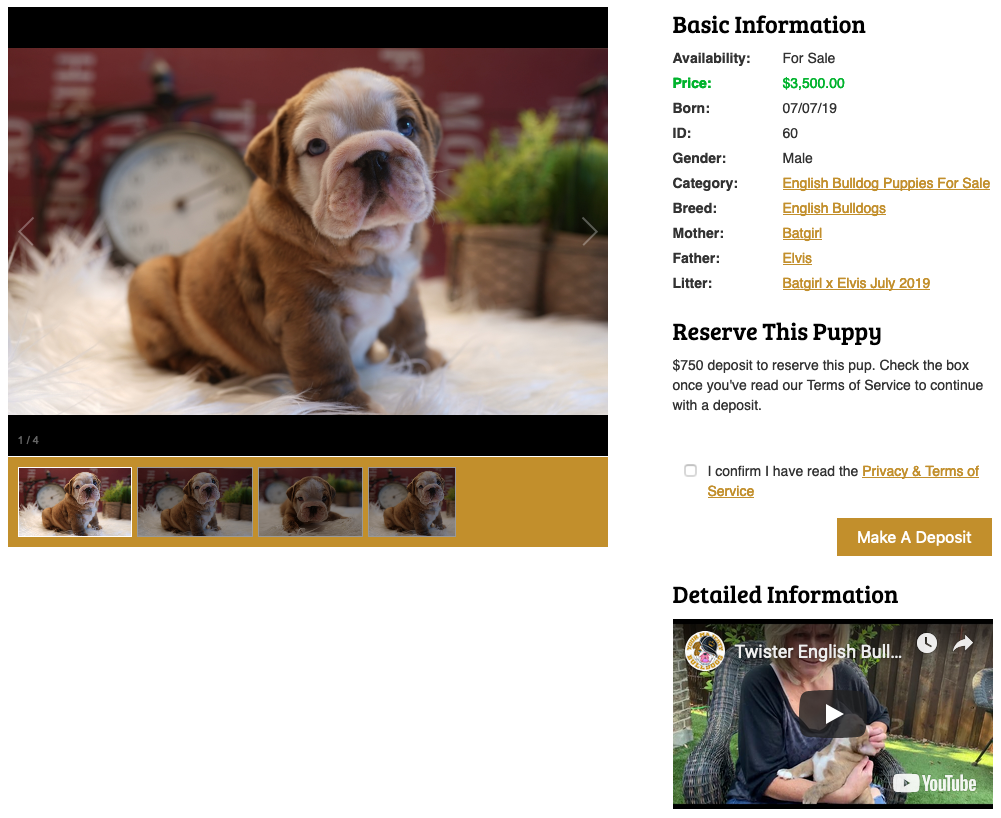
Many sites partner with rescue groups, dedicating space to adoptable animals. These digital meet-and-greets channel interest toward homeless dogs, easing shelter crowding and giving overlooked pets a second chance.
Yet speed and scale can encourage corner-cutting. When profit eclipses welfare, over-breeding and inadequate health screens may follow, undermining the industry’s reputation and, worse, jeopardizing animal well-being.
Ethical Considerations
High-volume breeding operations sometimes prioritize rapid turnover over comfort, socialization, or medical care. Anonymous listings can cloak these conditions, making it hard for buyers to spot red flags.
Intensive line-breeding for exaggerated features also risks hereditary problems, saddling future owners with emotional distress and steep veterinary bills. Although several jurisdictions now mandate veterinary checks, licensing, and cooling-off periods, enforcement lags behind legislation.
Continued debate focuses on how to verify compliance without stifling small, ethical breeders who also rely on the internet to place puppies in suitable homes.
The Role of Informed Guardians
Education remains the most immediate safeguard. Learning to request health documentation, view parents, and assess living conditions empowers adopters to walk away from dubious offers. Recognizing the lifelong commitment of dog guardianship encourages a shift from impulse purchases to thoughtful decisions.
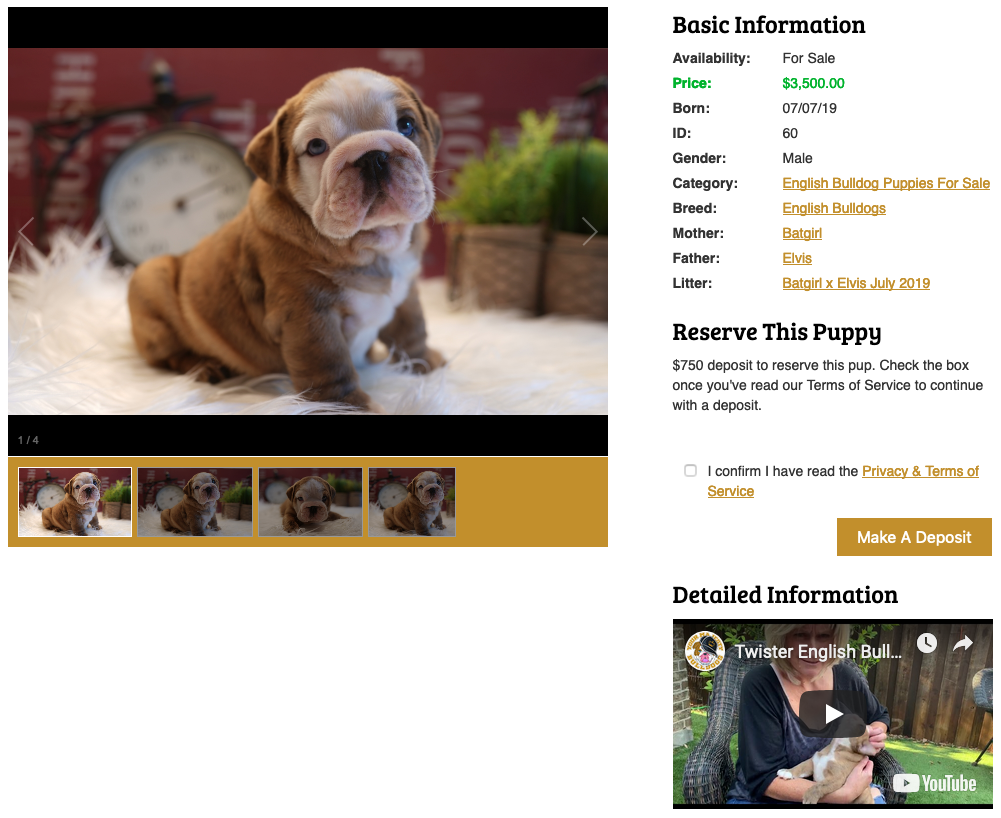
Public campaigns that celebrate shelter adoption, paired with transparent reviews of online sellers, nudge the market toward higher welfare standards. When demand sides with ethics, supply inevitably adapts.
Conclusion:
Digital dog marketplaces have redefined how people find their next best friend, broadening choice and streamlining logistics. Harnessing that potential responsibly requires vigilant consumers, robust guidelines, and platforms willing to elevate welfare over volume. By balancing convenience with conscience, the online canine trade can evolve into a trusted, humane gateway between dogs and the families ready to love them.