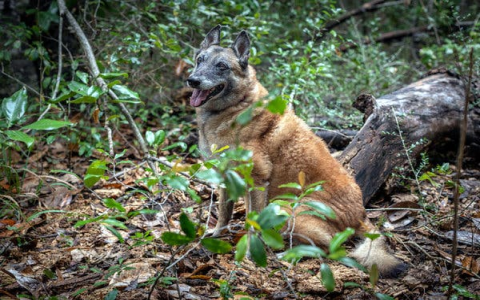
The Impact of Canine Detection on Human Society
Introduction
The partnership between people and dogs stretches back millennia, built on mutual trust and shared purpose. Among the many ways dogs assist us, their talent for locating specific scents—often called canine detection—stands out. This article examines how this skill shapes our lives, the science that powers it, and the paths ahead.
The Significance of Canine Detection
Historical Perspective
From ancient hunting partners to guardians tracking intruders, dogs have long helped humans find what is hidden. Chronicles describe them uncovering lost goods, leading travelers across wild terrain, and even alerting communities to unseen danger. Their noses have always extended human reach.
Modern Applications
Today, trained dogs screen luggage for prohibited items, locate missing hikers, and comfort patients in hospitals. In disaster zones, they navigate unstable rubble to indicate where rescuers should dig. Each success reinforces their reputation as reliable, life-saving teammates.

The Science Behind Canine Detection
Superior Sense of Smell
A dog’s nose contains hundreds of millions more scent receptors than ours, and the part of its brain devoted to smell is proportionally larger. This biological advantage allows dogs to distinguish individual ingredients in a stew or follow a week-old trail across changing terrain.
Training and Conditioning
Detection skills are cultivated, not automatic. Handlers pair target odors with games, toys, or treats, turning searches into rewarding puzzles. Through daily practice, dogs learn to ignore distractions and offer a clear signal—often a sit, stare, or bark—when the target scent is found.
Case Studies and Research
Search and Rescue Operations
After major earthquakes, avalanche sites, and building collapses, canine teams have repeatedly shortened the time needed to reach survivors. Their agility and scent memory allow them to cover large areas faster than people using only sight or sound.
Medical Detection
Studies suggest dogs can notice subtle odor changes linked to certain infections or metabolic shifts. Pilot programs are exploring how their alerts might complement lab tests, especially in settings where rapid, non-invasive screening is valuable.

Challenges and Limitations
Training and Resource Allocation
Developing a proficient detection dog demands months of expert guidance, consistent practice, and ongoing fitness. Funding for qualified trainers, travel, and veterinary care can limit how many teams are available when crises strike.
Environmental Factors
Heavy rain, gusty winds, or chemical spills can scatter or mask odors, making searches harder. Handlers must read weather patterns and terrain to decide when and where dogs can work most effectively.
Conclusion
Canine detection exemplifies the unique synergy between two species. With noses that outpace our best instruments and hearts eager to cooperate, dogs extend human senses into places we cannot go alone. Recognizing their limits while investing in their training ensures this partnership continues to safeguard and enrich lives around the globe.
Future Directions
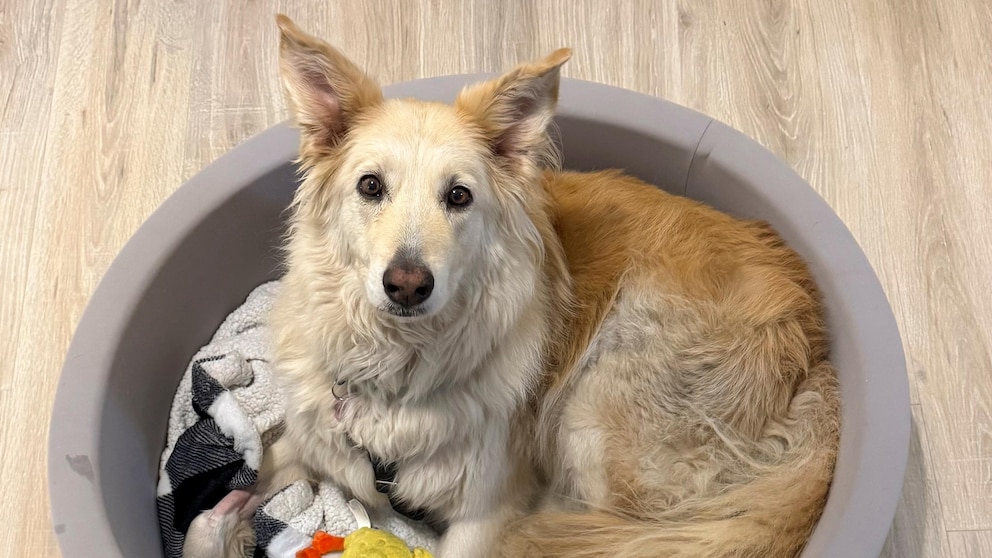
Researchers are refining odor-imprint methods, studying genetic traits that favor detection work, and designing lighter protective gear for dogs in hazardous zones. Parallel efforts aim to improve handler education and retirement care for canine veterans. Together, these steps promise to deepen the trust and expand the shared achievements of humans and their four-legged detectors.