



The Unlikely Friendship: Corgi and Cats
Introduction
Pet households often witness surprising alliances, and one of the most charming is the bond between a spirited Corgi and a self-possessed cat. This article explores how these two distinct personalities can become devoted friends, what rewards the relationship offers, and how guardians can smooth the path to harmony.
The Corgi: A Brief Overview
Corgis, instantly recognizable by their short legs and alert ears, were bred to herd cattle and have since herded their way into family life. Intelligent, eager to please, and endlessly cheerful, they thrive on interaction and adapt quickly to home routines.
The Cat: A Solitary Hunter

Cats carry an air of independence honed by centuries of self-reliant hunting. Preferring to set their own schedules, they survey the world from high perches and greet affection on their own terms—qualities that might seem incompatible with a bouncy canine companion.
The Unlikely Bond
Still, many Corgis and cats discover common ground:
1. Shared Playfulness
Both species enjoy bursts of mock hunting and tag; a flicking tail or a bouncing toy can launch a mutual game that dissolves wariness.
2. Mutual Respect

Corgis are rarely pushy, and cats reward calm politeness with curiosity rather than claws. When each learns the other’s body language, respect grows into trust.
3. Complementary Needs
A cat offers a Corgi steady company without overwhelming excitement, while the dog’s predictable presence can reassure a cat that the environment is safe.
The Benefits of the Corgi and Cat Friendship
The partnership pays dividends for everyone involved:
1. Emotional Support
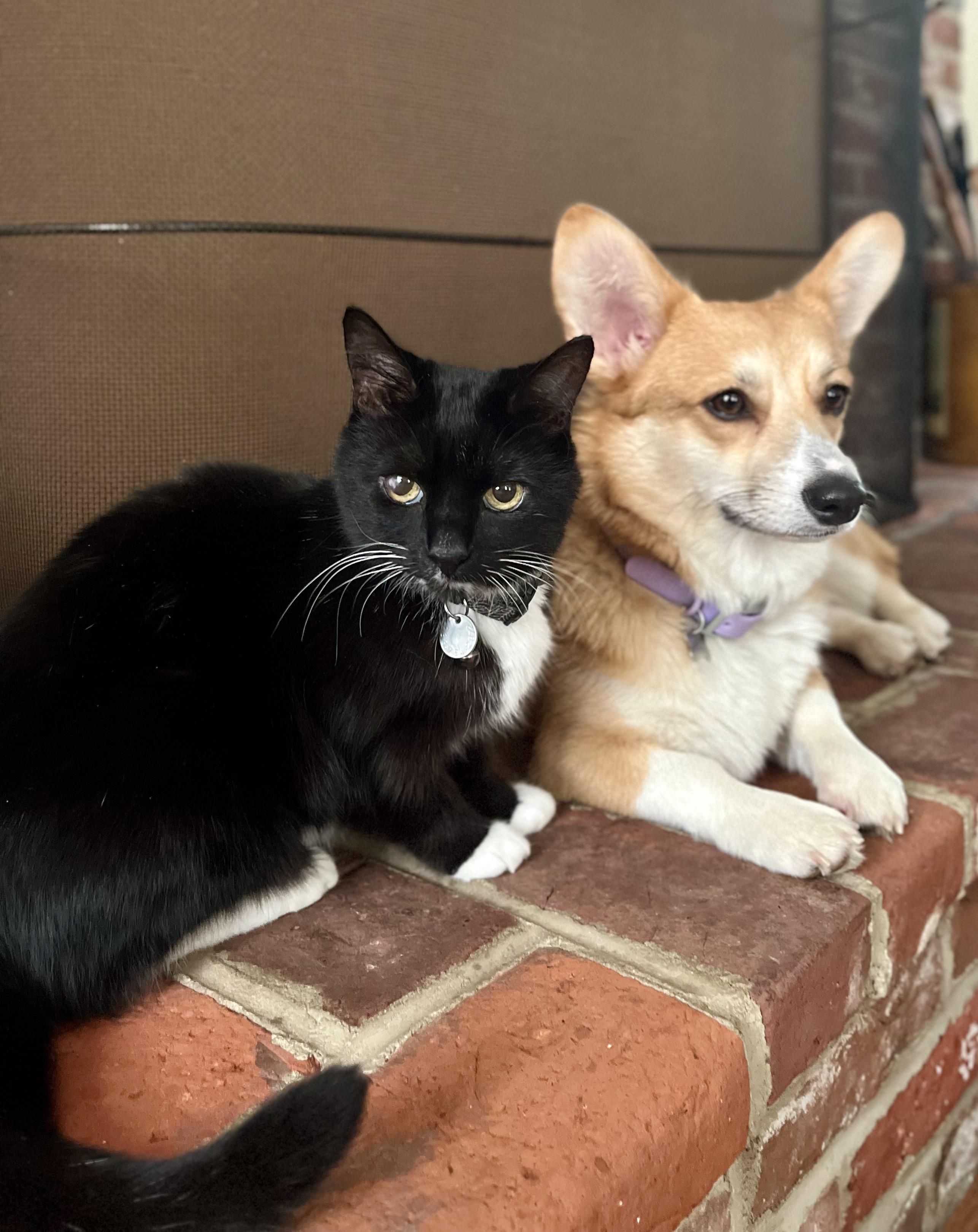
A gentle head-butt or a wagging rump at the doorway eases loneliness for either species, especially during times of change or stress.
2. Socialization
Corgis refine their self-control around quick-moving felines, while cats often become more confident with humans after positive canine role models.
3. Health Benefits
Shared play sessions keep muscles toned and minds engaged, lowering the risk of weight gain and boredom-related behaviors such as excessive grooming or barking.
Challenges and Considerations
Success requires foresight:
1. Territoriality
Both animals value personal space. Providing separate feeding stations, litter areas, and cozy retreats prevents competition.
2. Different Lifestyles
A cat may prefer evening solitude while a Corgi craves midday fetch; staggered schedules and individual attention satisfy both rhythms.
3. Health Risks

Species-specific diets, parasite control, and vaccination plans must be tailored so that neither pet inadvertently harms the other.
Scientific and Behavioral Insights
Studies and shelter observations highlight three key influences:
1. Early Socialization
Young animals introduced during their sensitive developmental windows accept one another as part of the normal social landscape.
2. Individual Temperament

A laid-back cat and an even-tempered Corgi pair more smoothly than highly reactive individuals, regardless of breed stereotypes.
3. Owner Involvement
Gradual introductions, positive reinforcement, and calm supervision shape lasting peace far better than simple hope.
Conclusion
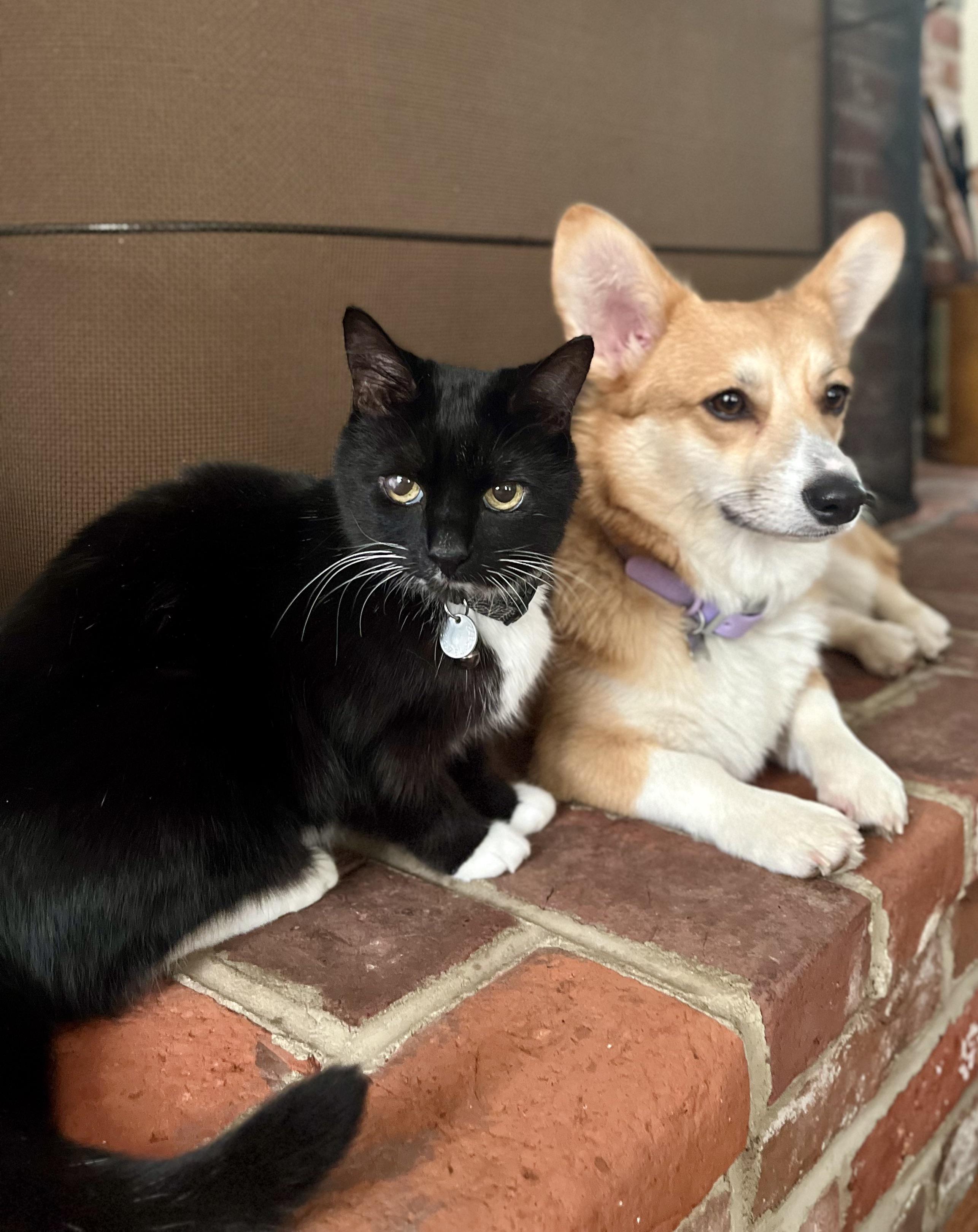
When a short-legged herder and a whiskered hunter curl up on the same cushion, they remind us that friendship transcends species boundaries. With patience, respect, and a watchful human hand, the Corgi-cat alliance becomes not just possible, but a daily source of warmth and amusement for the entire household.


