Title: A Friendly Guide to Choosing Your Ideal Canine Companion
Introduction:
Bringing a dog into your life can fill every day with laughter, loyalty, and warm companionship. Yet deciding where to find that new friend can feel overwhelming. This guide walks you through the most common sources—shelters, breeders, online platforms, and community events—so you can pick the path that best suits your lifestyle and values.
Rescue Shelters: Second Chances for Dogs and Humans
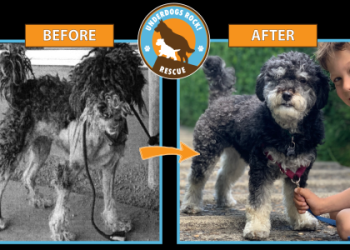
Animal shelters house dogs who need fresh starts after being lost, surrendered, or abandoned. Choosing adoption supports a caring cycle: you gain a devoted companion while freeing space for another dog in need.
Advantages:
1. Budget-friendly: Adoption fees are usually lower than breeder prices and often include initial vaccinations and spay/neuter costs.

2. Health checks: Most shelters perform basic veterinary exams and may offer short-term health support.
3. Personality variety: From playful youngsters to calm seniors, shelters host dogs of every size, age, and energy level.
Disadvantages:
1. Unknown history: Staff can share observations, but details about early life or exact breed mix may be limited.
2. Adjustment period: Some dogs need extra patience while they settle into home routines.
Professional Breeders: Predictable Traits, Higher Price
Reputable breeders focus on one or a few breeds, aiming to maintain health standards and characteristic temperaments. Meeting the breeder in person lets you see where puppies are raised and ask questions directly.

Advantages:
1. Predictable traits: Breed-specific size, coat, and instinctive behaviors are easier to forecast.
2. Health documentation: Responsible breeders screen for hereditary issues and provide medical records.
3. Lifetime guidance: Many remain available for advice on training, nutrition, and care throughout the dog’s life.
Disadvantages:
1. Higher cost: Quality breeding, health tests, and proper care raise the purchase price.

2. Research required: You must verify the breeder’s ethics to avoid supporting poor conditions.
Online Platforms: Wide Reach, Buyer Beware
Websites and social media groups list puppies and adult dogs from varied sources. Convenience is high, but diligence is essential to ensure animal welfare.
Advantages:
1. Broad selection: Rare breeds or specific coat colors may be easier to locate.
2. Home browsing: Photos, videos, and initial conversations can happen on your schedule.
Disadvantages:

1. Hard to verify: Photos can be outdated, and sellers may withhold health or living-condition details.
2. Ethical risks: Without careful checks, buyers might unintentionally support substandard breeding operations.
Community Events and Local Enthusiasts: Meet, Greet, and Learn
Dog shows, club meet-ups, and neighborhood hobby breeders offer face-to-face interaction. Observing adult dogs and talking with longtime owners gives real-world insight into daily life with a particular breed.
Advantages:
1. Hands-on assessment: You can watch temperament, energy, and size firsthand before committing.
2. Ongoing support: Local networks often share training classes, vet recommendations, and play-group contacts.

Disadvantages:
1. Smaller choice: Availability depends on who attends or plans a litter, so timing may not align with yours.
2. Extra legwork: Multiple visits or event tickets can add travel time and cost.
Conclusion:
The right dog for you is out there, whether curled up in a shelter kennel, bounding across a breeder’s yard, or listed on a community board. Balance your wish list—size, energy, grooming needs, budget—against each source’s strengths and limitations. Take your time, ask questions, and prepare your home. A thoughtful choice today paves the way for years of shared adventures, quiet companionship, and unconditional love.