


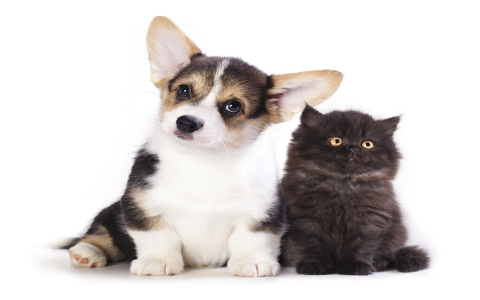
Title: The Unique Dynamics of Cat and Puppy Interaction: A Comprehensive Analysis
Introduction:
The way cats and puppies relate to one another has long intrigued both scientists and pet lovers. This overview explores the special chemistry that can develop between the two species, focusing on how they communicate, play, and negotiate shared space. By looking at everyday situations and practical tips, readers will gain a clearer picture of what it takes to help a feline and a young canine live together peacefully.
Understanding the Basics of Cat and Puppy Interaction
Cats tend to value quiet independence, while puppies are usually bundles of energy that crave attention and play. These contrasting styles can either clash or complement one another, depending on how the first meetings are handled.
Felines rely on subtle body cues, soft vocal tones, and scent messages to express mood. Puppies, in contrast, broadcast feelings through exuberant movement, barking, and tail motion. Recognizing these different “languages” is the first step toward preventing misunderstandings.
Initial Interaction: The Importance of Patience and Gradual Introduction
A calm, phased introduction sets the tone for life-long habits. Rushing the process can create lasting fear or defensive behavior.

1. Let the cat decide when and how close to approach; never force a meeting.
2. Provide high perches or quiet rooms where the cat can retreat completely.
3. Increase shared time in short, positive sessions, watching for signs of tension.
4. Reward relaxed behavior from both animals with soft praise or small treats.
Following these guidelines builds trust at a pace each pet can handle.
Behavioral Considerations: Cats and Puppies in the Same Household
Once the pair lives under one roof, small management choices make a big difference.

1. Space: Offer separate sleeping zones and escape routes for the cat.
2. Feeding: Serve meals in different areas to avoid resource guarding.
3. Play: Rotate toys so each pet can enjoy appropriate stimulation without competition.
4. Training: Use consistent cues and gentle redirection to teach the puppy polite manners around the cat.
Balancing these needs reduces daily friction and promotes mutual respect.
Communication and Social Interaction: The Role of Body Language
Reading posture and vocal signals prevents escalation and builds empathy.

1. Cats: A swishing tail, flattened ears, or dilated pupils signal discomfort; slow blinks, loose muscles, and forward-facing ears suggest acceptance.
2. Puppies: A low wag, play bow, or soft pant invites interaction; stiff legs, growling, or prolonged staring can warn of over-arousal.
When owners step in at the first hint of stress, both animals learn that safety is guaranteed.
Research and Expert Opinions
Recent observations by animal behavior groups note that a confident, relaxed cat can act as a calming influence on an excitable puppy, lowering barking frequency and destructive activity.
Specialists also highlight the value of scent swapping and supervised parallel activities—such as simultaneous treat training on opposite sides of a baby gate—to create positive associations before direct contact begins.
Conclusion and Recommendations
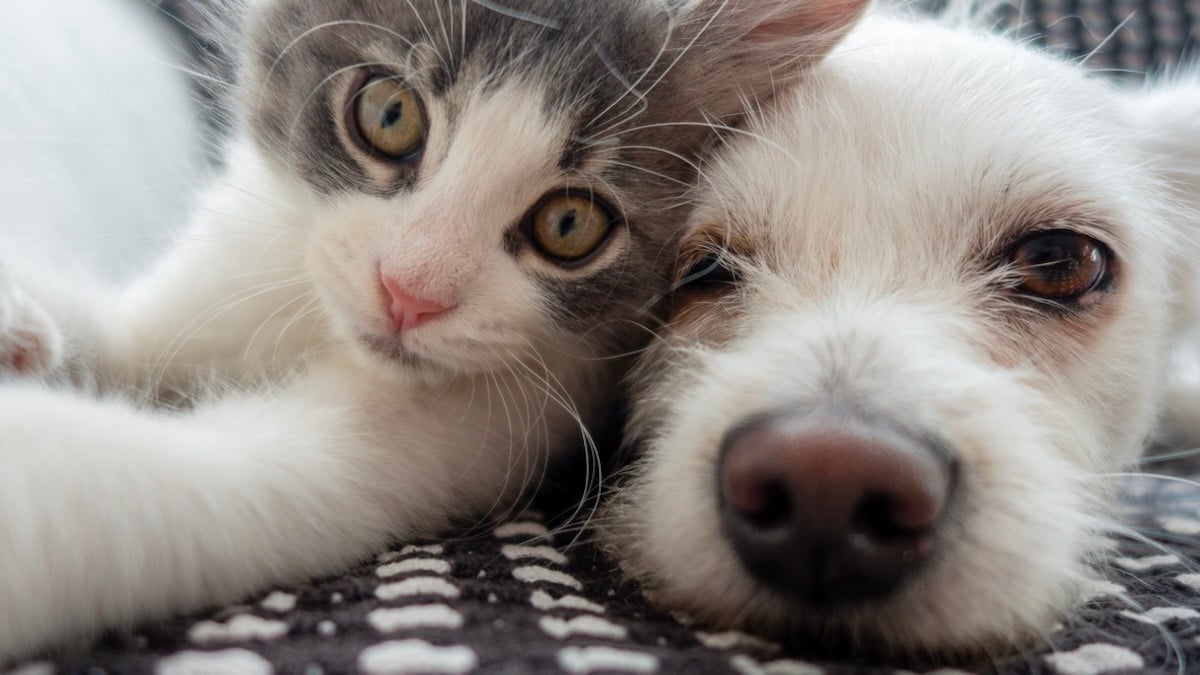
Harmony between cats and puppies is achievable with thoughtful planning and ongoing supervision. Key points to remember:
1. Introduce gradually, letting body language guide the tempo.
2. Learn to read each species’ unique signals.
3. Provide separate resources and safe zones.
4. Reinforce calm, friendly behavior every day.
With patience and consistency, households can enjoy the entertaining, heart-warming blend of feline grace and canine enthusiasm.
Future Research Directions
Continued study could explore how factors such as age at introduction, individual personality traits, and home layout affect long-term compatibility. Investigations into enrichment tools—like puzzle feeders or synchronized play routines—may also reveal new ways to strengthen the bond while reducing tension.
References:
General findings drawn from collective veterinary and behavioral literature on multi-species households.


