
Boxer Puppies in Warm Climates: A Complete Guide to Happy, Healthy Companions
Introduction
Boxer puppies have captured hearts across sun-filled regions thanks to their boundless energy and loyal nature. These bright-eyed pups flourish in active households that can offer daily play, clear guidance, and lots of affection. This guide walks you through everything you need to know about welcoming and raising a Boxer pup, from breed traits to training tips suited for warmer weather.
History of the Boxer
The Boxer’s story begins in late-19th-century Europe, where breeders combined mastiff-type power with smaller, agile terriers to create a versatile guardian and family dog. Over time, the breed’s intelligence and steady temperament made it a favorite household companion, officially recognized by major kennel clubs in the early 20th century.
Key Characteristics

Boxer puppies sport a square jaw, expressive dark eyes, and a sleek short coat that helps them stay comfortable in hotter regions. They are athletic, people-oriented, and quick learners who thrive on positive interaction and structured activities.
Temperament
Friendly, alert, and eager to please, Boxers form strong bonds with children and adults alike. Consistent, reward-based guidance keeps their occasional stubborn streak in check and channels their enthusiasm into good manners.
Size and Build
Adults stand medium-large, typically weighing 55–75 lb. Their muscular frame and balanced proportions give them both speed and stamina for outdoor adventures.
Health Overview

Like any purebred, Boxers can inherit conditions such as cardiac issues, skin sensitivities, or joint concerns. Routine vet visits, a wholesome diet, and appropriate exercise go a long way toward prevention and early detection.
Finding Your Puppy
When searching for a Boxer puppy, keep these points in mind:
Breeder Practices
Look for transparent breeders who prioritize health screenings, raise litters indoors, and willingly share references and veterinary records. A clean, enriching environment and well-socialized parents are good signs.
Health Documentation

Confirm that vaccinations are up to date and that the pup has been examined by a licensed veterinarian. Ask about any genetic tests done on the parents.
Meet the Parents
Observing the mother—and the father if present—gives insight into future size, energy level, and temperament. Reputable breeders encourage these visits and answer questions openly.
Raising Your Boxer Puppy
Success depends on patience, consistency, and daily engagement. Focus on these pillars:
Early Socialization

Introduce your puppy to a variety of friendly people, calm dogs, and new environments during the first three months. Positive experiences now reduce fear and over-excitement later.
Positive Training
Use treats, toys, and praise to mark desired behaviors. Short, upbeat sessions repeated throughout the day keep a Boxer’s attention and build lifelong learning habits.
Daily Exercise
Provide at least two active play or walking sessions to burn energy and prevent boredom-related chewing. Morning and evening outings help avoid peak heat.
Nutrition
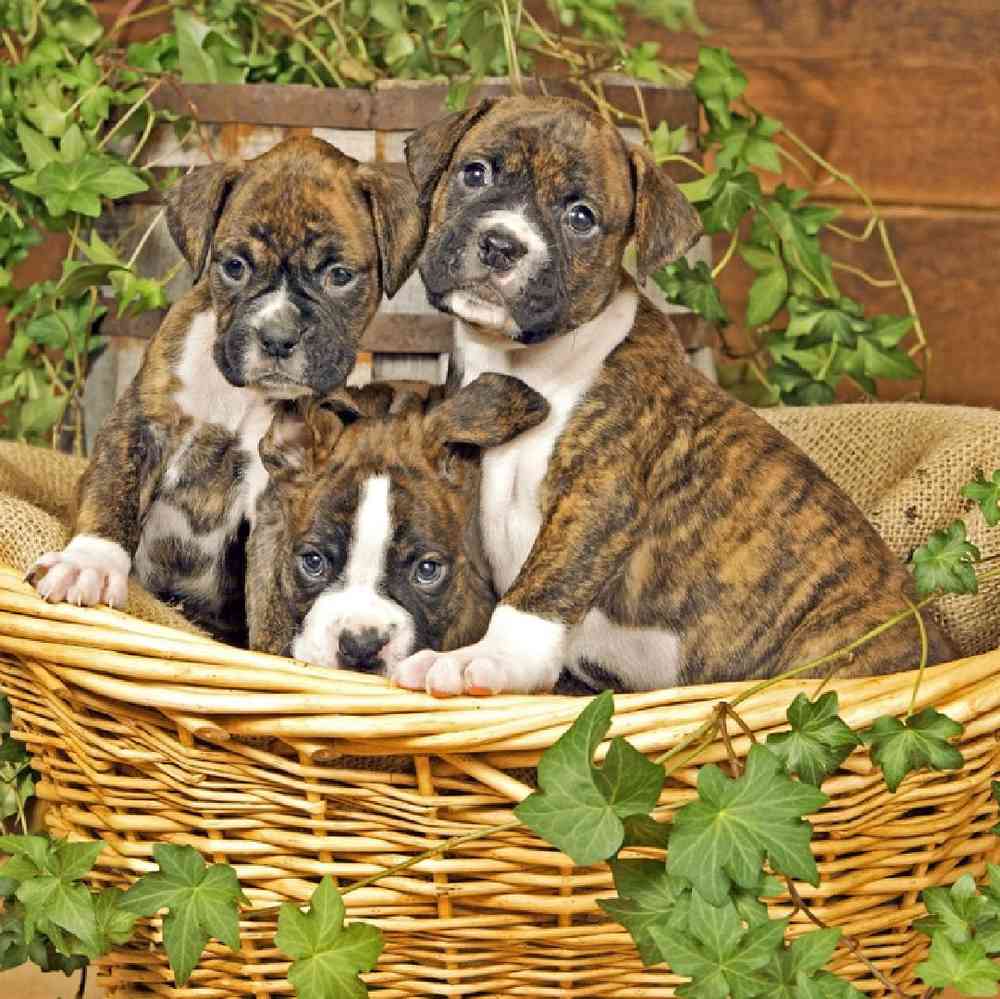
Offer a high-quality puppy formula divided into three measured meals until six months of age, then transition to twice-daily feeding. Fresh water should always be available, especially in warmer climates.
Healthcare Essentials
Proactive care keeps tails wagging:
Routine Vet Visits
Schedule check-ups every few weeks initially, then at least annually. These visits track growth, weight, and emerging concerns.
Vaccination Schedule
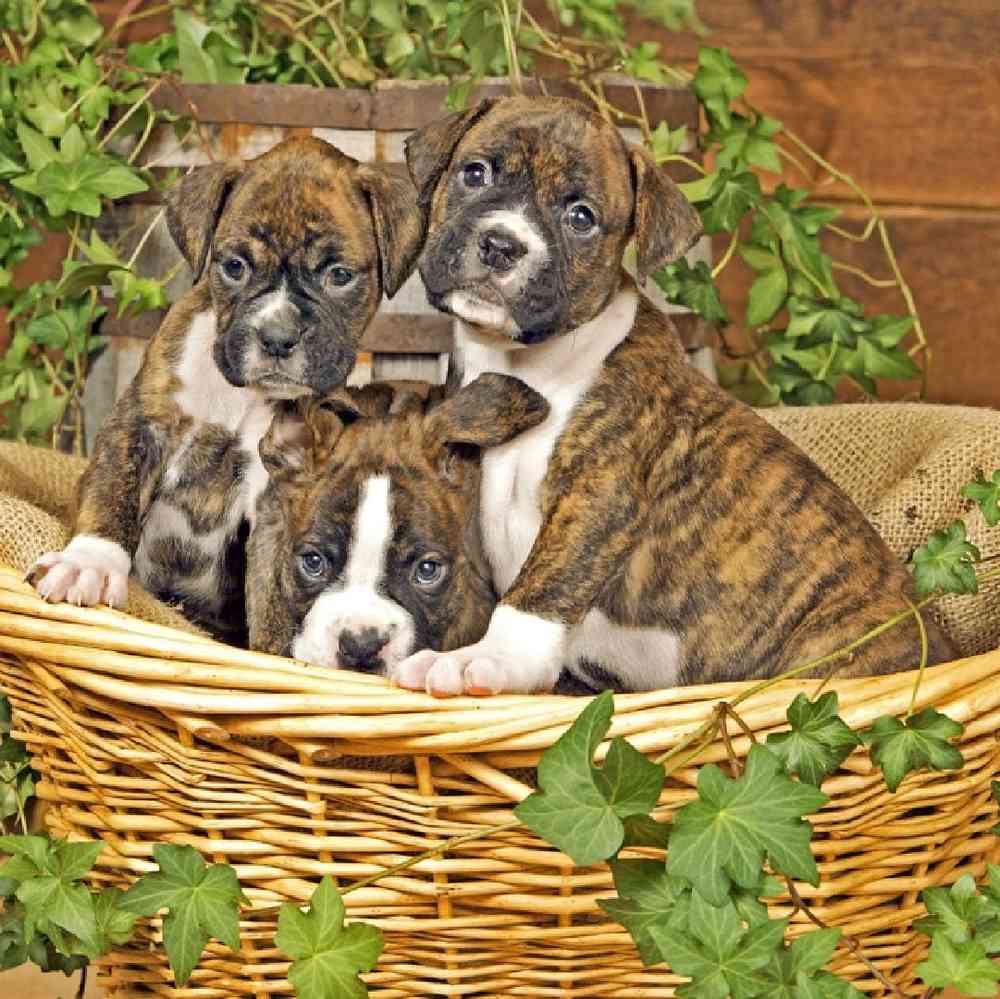
Follow your veterinarian’s recommended timeline for core and optional vaccines to protect against common infectious diseases.
Preventive Measures
Discuss heartworm prevention, flea and tick control, and regular deworming. Dental chews and ear checks round out a solid wellness routine.
Conclusion
A Boxer puppy can bring laughter, loyalty, and lively energy to the right home. By selecting a responsible source, committing to early training and socialization, and partnering with a trusted veterinarian, you set the stage for a rewarding, decade-long friendship filled with tail wags and cherished memories.
Future Outlook

Ongoing studies into hereditary health risks and modern, reward-based training techniques promise even happier, healthier Boxers. Staying informed and adaptable ensures each new generation of pups enjoys the best care possible.