


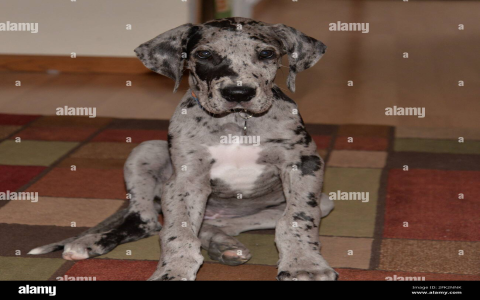
Grey Great Dane Puppy: A Gentle Giant Owner’s Guide
Introduction
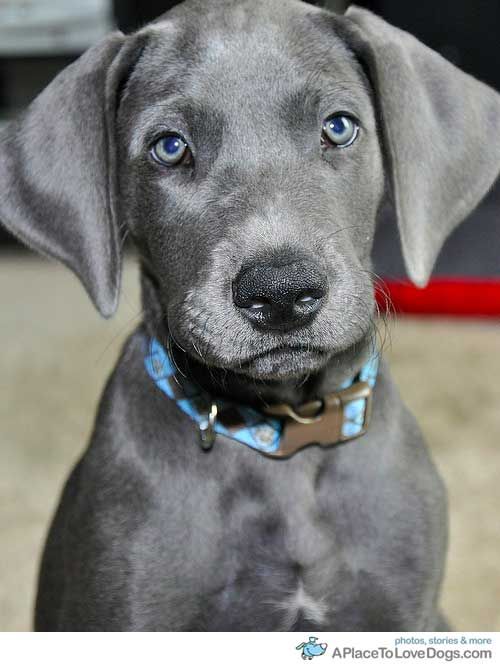
The silver-toned Great Dane puppy—often nicknamed the Gentle Giant—turns heads with its elegant color, calm nature, and steady loyalty. This overview explores what future owners can expect, from daily care to the rewards and responsibilities of sharing life with one of the largest canine companions.
History and Origin
Great Danes trace back to ancient mastiff-type dogs refined in Europe for boar hunting and estate guarding. Over centuries, selective breeding produced the modern Dane: a towering yet affectionate family member. The soft grey coat, while not a separate breed, has become a favorite shade among enthusiasts.
Characteristics
Appearance
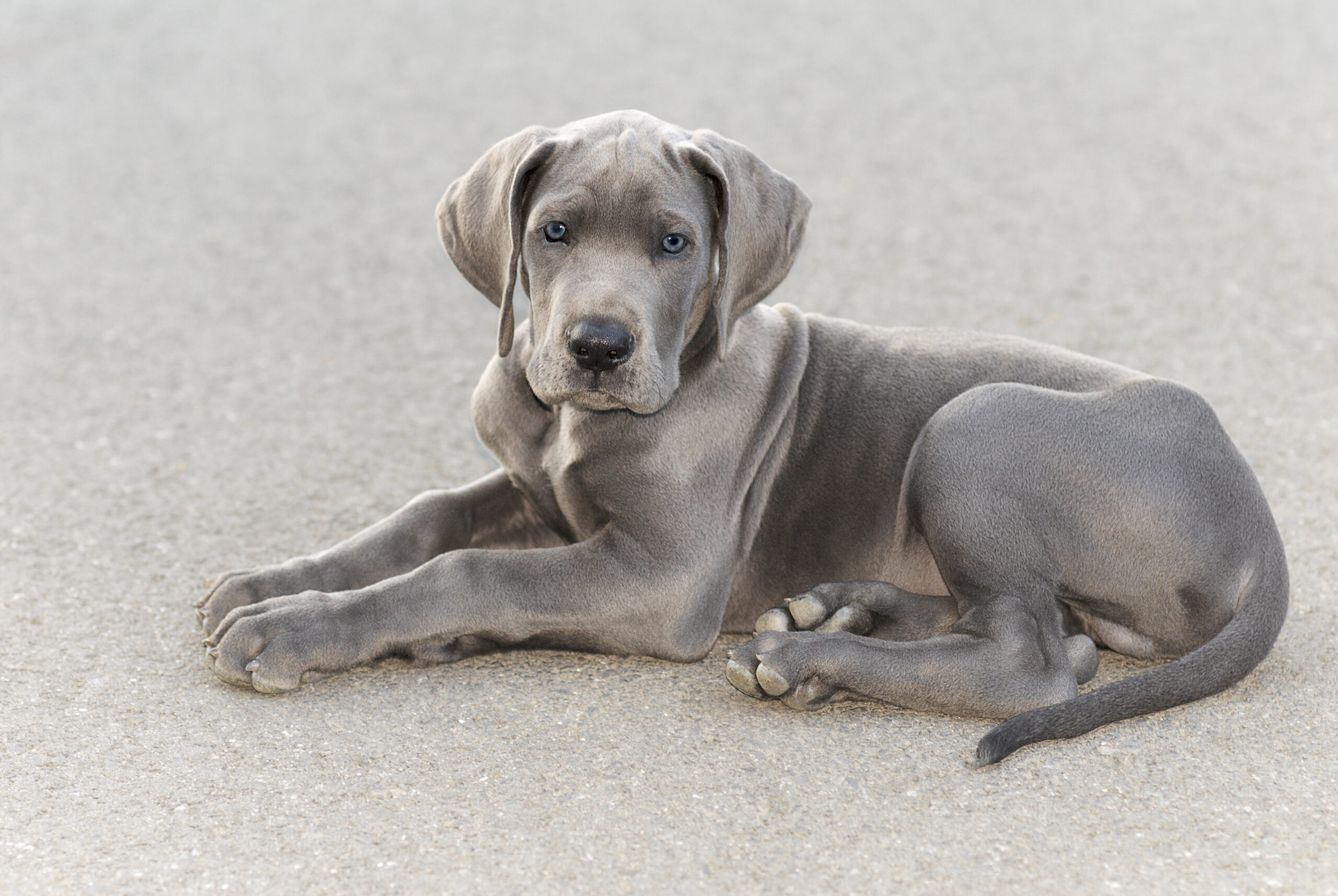
These pups grow quickly into powerful, long-legged dogs. The grey coat ranges from light charcoal to warm slate, set off by dark eyes and a noble head. Adult males typically stand 30–32 inches at the shoulder; females are slightly smaller, yet both carry impressive muscle beneath smooth skin.
Temperament
Despite their size, grey Dane puppies are mellow housemates. They bond deeply with people, greet visitors politely, and usually adapt to children, other dogs, and even cats when introduced early. A calm voice and consistent routine keep their sensitive spirits confident.
Health
Rapid growth calls for careful nutrition to lower risks of joint strain or bloat. Regular vet visits, moderate exercise on soft surfaces, and portion-controlled meals help these giants mature safely. Owners should learn warning signs of gastric dilatation and maintain a healthy weight to protect the heart and joints.
Care Requirements
Feeding
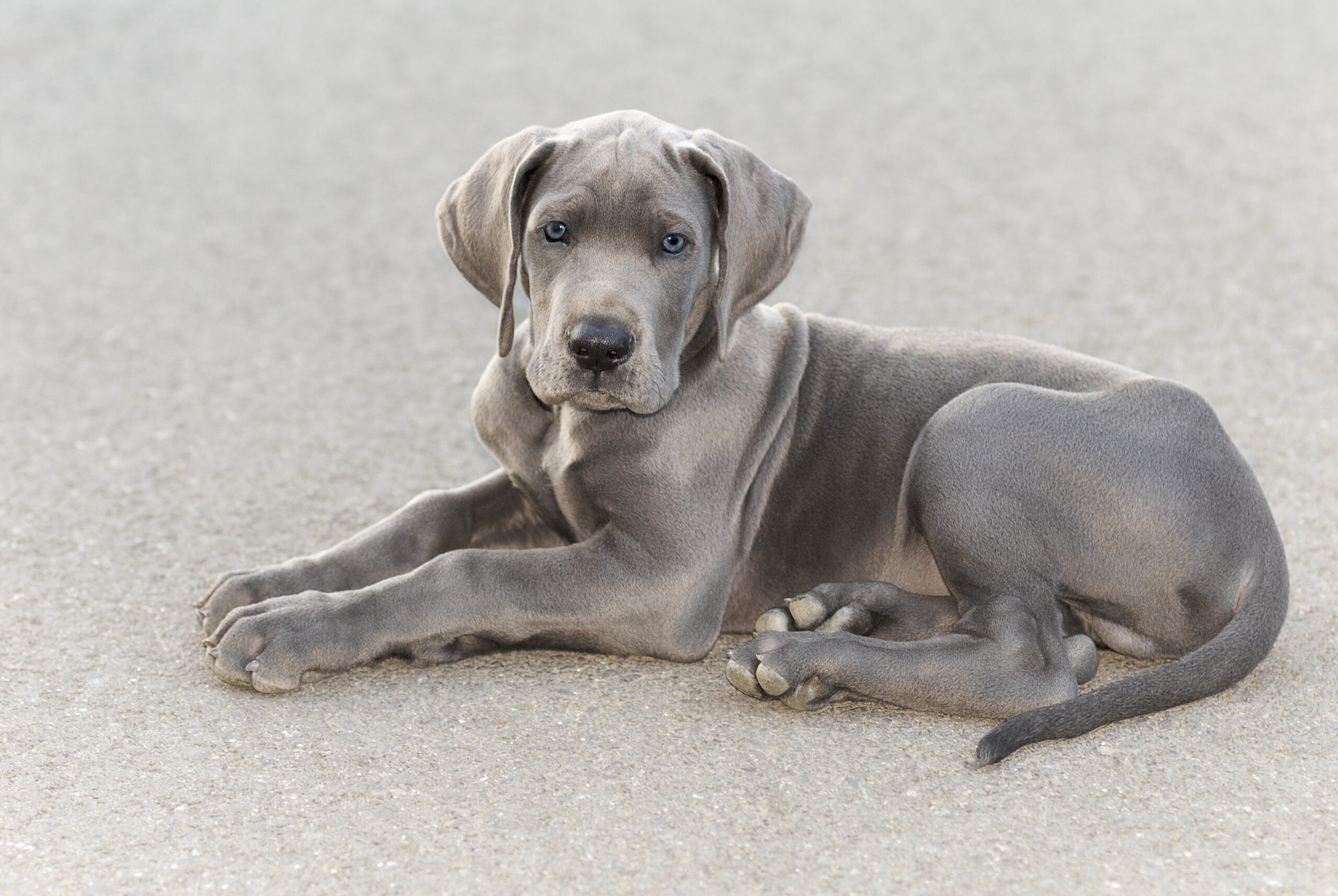
Choose a large-breed puppy formula with balanced calcium and phosphorus. Divide daily rations into three smaller meals until six months, then switch to twice-daily feedings. Fresh water and quiet rest after meals reduce bloat risk.
Exercise
Two leash walks and a few play sessions satisfy most youngsters. Avoid forced jumping or long jogs until bones harden around 18 months. A fenced yard lets them gallop safely, but they are surprisingly lazy indoors once adolescence passes.
Training
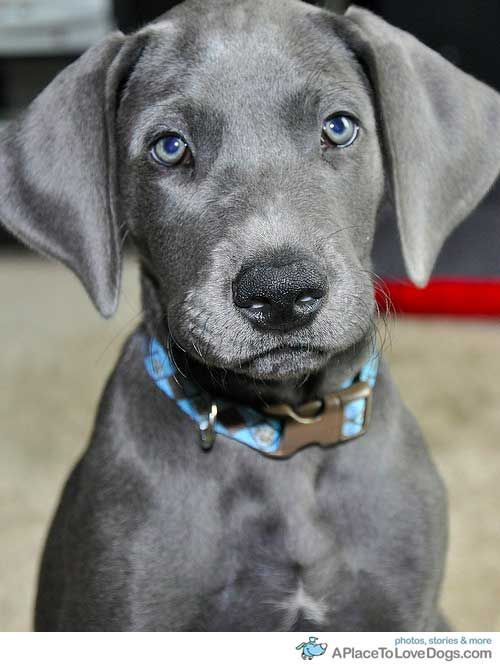
Start basic manners the day you arrive home. Reward calm sits, polite leash walking, and door etiquette before the puppy weighs more than you. Short, upbeat lessons prevent boredom; early outings to parks, cafés, and car rides build confidence and good manners.
The Joys of Owning a Grey Great Dane Puppy
Few experiences match the devotion of a Dane who considers you their world. They lean against your legs, rest a massive head on your lap, and keep a watchful eye on family activities. Their quiet presence lowers stress, and their short coat needs only weekly brushing.
The Challenges of Owning a Grey Great Dane Puppy
Everything is bigger: vet bills, beds, drool puddles, and the space a sleeping adolescent manages to occupy on the sofa. A short lifespan—often seven to ten years—means less time together. Owners must also arrange strong vehicle restraints, sturdy fencing, and a plan for lifting an injured 140-pound adult.
Conclusion
A grey Great Dane puppy can fill a home with grace and gentle humor when given structured care, patience, and affection. Understanding their unique growth curve, exercise limits, and emotional sensitivity sets the stage for a rewarding friendship with one of the canine world’s most majestic companions.
Future Research
Continued study of hereditary heart disease, early bloat detection, and orthopedic-friendly exercise protocols can improve quality of life for these oversized sweethearts. Exploring their aptitude for calm therapy visits may also open new roles that celebrate their soothing nature.
In conclusion, welcoming a grey Great Dane puppy is both a joy and a commitment. With thoughtful preparation, owners gain a steadfast friend whose quiet elegance and warm heart enrich everyday life.


