


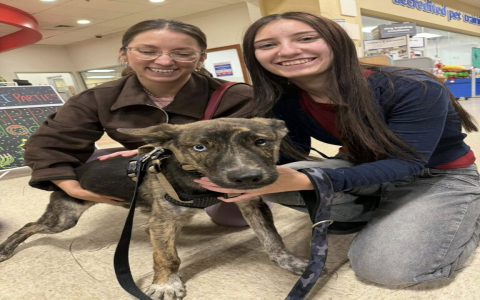
The landscape of animal welfare has evolved dramatically, with pet adoption now widely viewed as the most compassionate route to bringing a companion animal home. Across the country, shelters and rescue groups are celebrating record numbers of successful adoptions, reflecting a cultural shift toward valuing every animal’s life. This article examines why adoption rates are climbing, how the trend benefits communities, and what lies ahead for humane initiatives.
A noticeable uptick in shelter adoptions
Local shelters and nonprofit rescue networks have reported a steady rise in the number of dogs, cats, and small animals finding permanent homes. Experts credit the upswing to broader public education, faster application systems, and a growing appreciation for the emotional rewards of adopting rather than shopping.
Greater public awareness
Television features, podcasts, and social media stories regularly showcase adoptable pets and explain the realities of shelter life. These messages have normalized adoption and dispelled outdated myths about rescued animals, encouraging more families to visit their nearest shelter first when looking for a pet.
Smoother adoption journeys
Organizations have reworked their procedures to place pets responsibly yet swiftly. Key improvements include:
– Shorter, user-friendly paperwork
– Detailed behavior and medical evaluations shared up front

– Weekend meet-and-greet events hosted in parks and pet-supply stores
– Follow-up guidance on training, nutrition, and veterinary care
Together these steps reduce wait times and help adopters feel supported long after they leave with a new friend.
How adoption strengthens society
When shelters empty, entire communities gain. The ripple effects touch everything from public health to neighborhood spirit.
Fewer animals on the streets
Every adoption opens a kennel space and keeps one more animal from cycling through the stray population. Over time, this lowers intake numbers and eases the strain on municipal resources.
Emotional well-being for people
Studies continue to link pet companionship with lower blood pressure, reduced loneliness, and increased daily activity. Adopted pets, in particular, often form intense bonds with their new families, creating mutual comfort and stability.

Learning life skills
Caring for a rescued animal teaches responsibility, patience, and empathy. School volunteer programs and library reading initiatives that feature shelter pets give children hands-on lessons in kindness and respect for living creatures.
Stronger neighborhoods
Adoption drives, charity fun-runs, and supply donation points bring residents together around a shared love of animals. These events spark conversations, support local businesses, and foster a culture of cooperation.
Hurdles and next steps
Progress is real, but obstacles remain:
– Limited space and staffing during peak kitten and puppy seasons
– The ongoing need to promote spay/neuter and lifelong care
– Reliable funding streams for medical treatment, facility upkeep, and community outreach

Moving forward, successful programs are expected to:
– Collaborate with veterinary clinics and municipal agencies to offer low-cost sterilization and vaccination clinics
– Develop data-driven retention tools that keep pets in their original homes and out of shelters
– Maintain year-round education campaigns that celebrate adoption and responsible guardianship
Conclusion
Record adoption numbers signal a society that increasingly views pets as family and shelters as gateways to love rather than last resorts. Each adopted animal represents a life saved and a household enriched. By continuing to streamline adoption experiences, invest in preventive care, and engage the public, communities can sustain this positive momentum and build a future where every pet has a safe, loving home.


