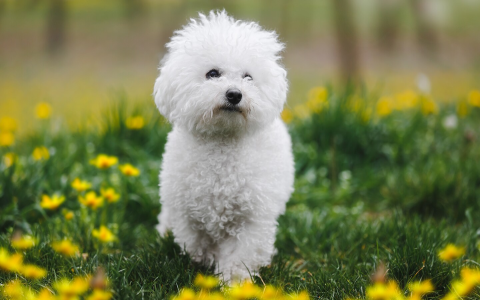
Title: Senior Bichon Frise Health: A Gentle Guide
Introduction
The Bichon Frise wins hearts with its cloud-soft coat and cheerful disposition. As these little companions enter their golden years, they may encounter age-related changes that call for extra care. This guide outlines the most frequent senior concerns, offers gentle warning signs to watch for, and suggests simple ways to keep a Bichon comfortable and content throughout retirement.
Common Senior Concerns in Bichon Frises
1. Joint Stiffness
Many older Bichons slow down when cartilage thins and joints become less flexible. You might notice hesitation before stairs, shorter walks, or a little sway in the hind end. Warm bedding, low-impact play, and vet-approved joint support can ease discomfort and keep tails wagging.
2. Hip Alignment
Even small breeds can experience uneven hip joints. A bunny-hopping run, reluctance to jump onto the sofa, or clicking sounds from the hips are gentle clues. Maintaining a lean body weight, gentle massage, and guided exercise often help; severe cases may benefit from professional orthopedic care.
3. Coat & Skin Changes
Fragile skin and thinning fur sometimes appear with age. Flaky patches, dull coat, or frequent scratching can signal dryness, allergies, or hormonal shifts. Regular brushing, mild shampoos, and omega-rich treats usually restore the trademark Bichon fluff and reduce itchiness.
4. Gentle Cognitive Fog
Occasional confusion—standing at the wrong side of the door, restless nights, or forgotten commands—can mirror senior moments in people. Predictable routines, night-lights, and mentally stimulating games like treat puzzles help senior dogs stay oriented and engaged.
5. Cloudy Eyes
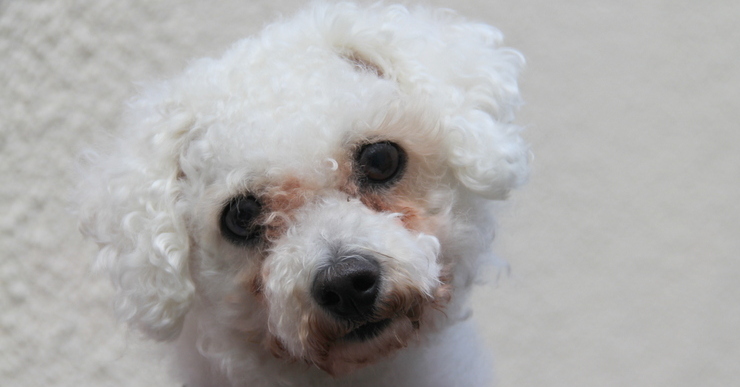
A faint blue haze or slight bump into furniture may hint at lens changes. Early vet checks distinguish normal aging from issues that need attention. Keeping furniture in the same place and using verbal cues during walks supports a dog whose vision is fading.
Prevention and Management
Small daily habits add up to big comfort for an aging Bichon:
1. Routine Wellness Visits
Twice-yearly checkups allow your vet to spot subtle shifts—weight, teeth, joints, or organ function—before they become problems. Bring notes on appetite, energy, and any new quirks to make the most of each visit.
2. Balanced Meals & Mindful Movement
Portion-controlled, senior-formula meals protect joints and waistlines. Pair them with leisurely strolls, gentle fetch on grass, or indoor hallway walks when weather is rough. Consistency beats intensity for older pups.
3. Spa Days at Home
Weekly brushing prevents mats that tug on delicate skin. A warm bath every few weeks, nail trims, and face-fold wipes keep infections away and turn grooming into cuddle time. Always finish with a soft towel snuggle.
4. Brain Games & Comfort Corners
Scatter-feed kibble on a snuffle mat, teach a new low-impact trick like “touch,” or rotate safe toys to spark curiosity. Create a draft-free bed near family activity so your senior can nap securely yet still feel included.
Conclusion
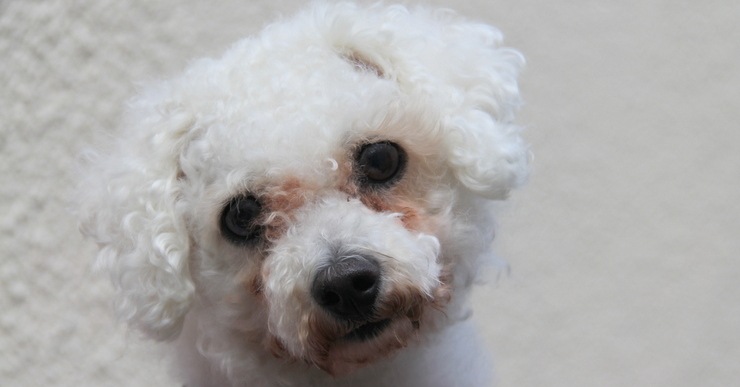
Watching a beloved Bichon Frise enter retirement is a tender phase filled with quiet joys—slower walks, deeper naps, and plenty of gentle affection. By tuning in to the small changes, offering steady routines, and partnering with your veterinarian, you can soften the aches of aging and celebrate the unwavering spirit that first stole your heart. With thoughtful daily care, your fluffy friend can continue to sparkle well into the sunset years.
References
1. General breed overview and senior care tips from leading kennel clubs and veterinary associations.
2. Peer-reviewed articles on canine osteoarthritis management and nutrition.
3. Consensus statements from veterinary orthopedic societies regarding small-breed joint health.
4. Dermatology guidelines for maintaining coat condition in aging companion dogs.
5. Behavioral medicine resources addressing cognitive enrichment for senior pets.
6. Ophthalmology texts describing age-related ocular changes in toy breeds.