


The World of Small Dogs: A Complete Guide to Compact Canine Companions
Introduction
Small dogs have captured hearts across the globe for generations. Their petite frames, affectionate personalities, and manageable needs make them perfect partners for city dwellers, families, and seniors alike. This guide explores what sets these little dogs apart, the joys they bring, the hurdles they present, and the newest thinking on how to keep them happy and healthy.
Characteristics of Small Dogs
Size and Build
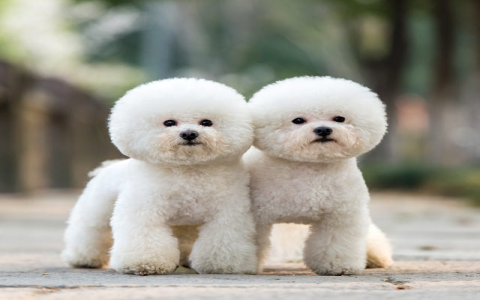
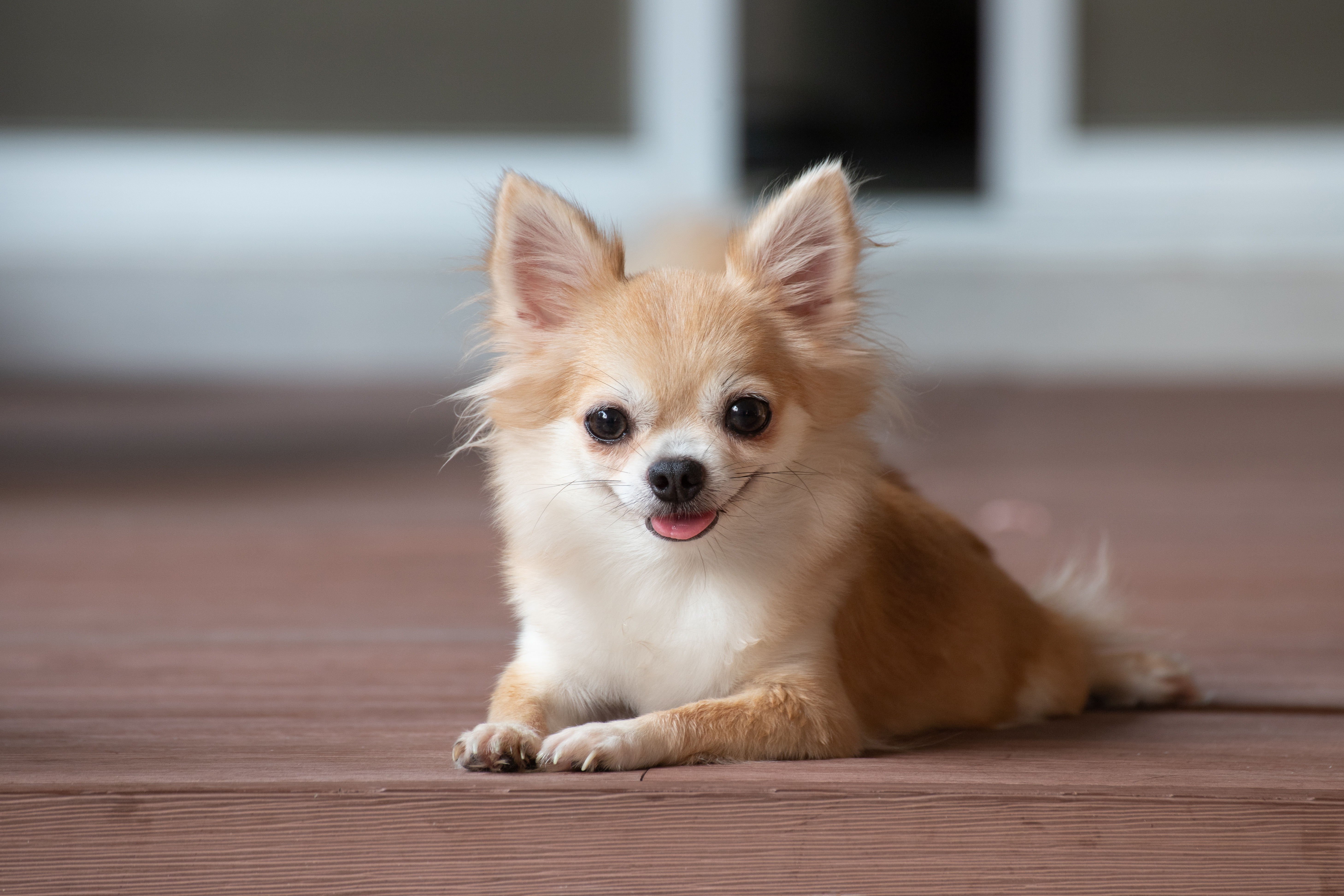
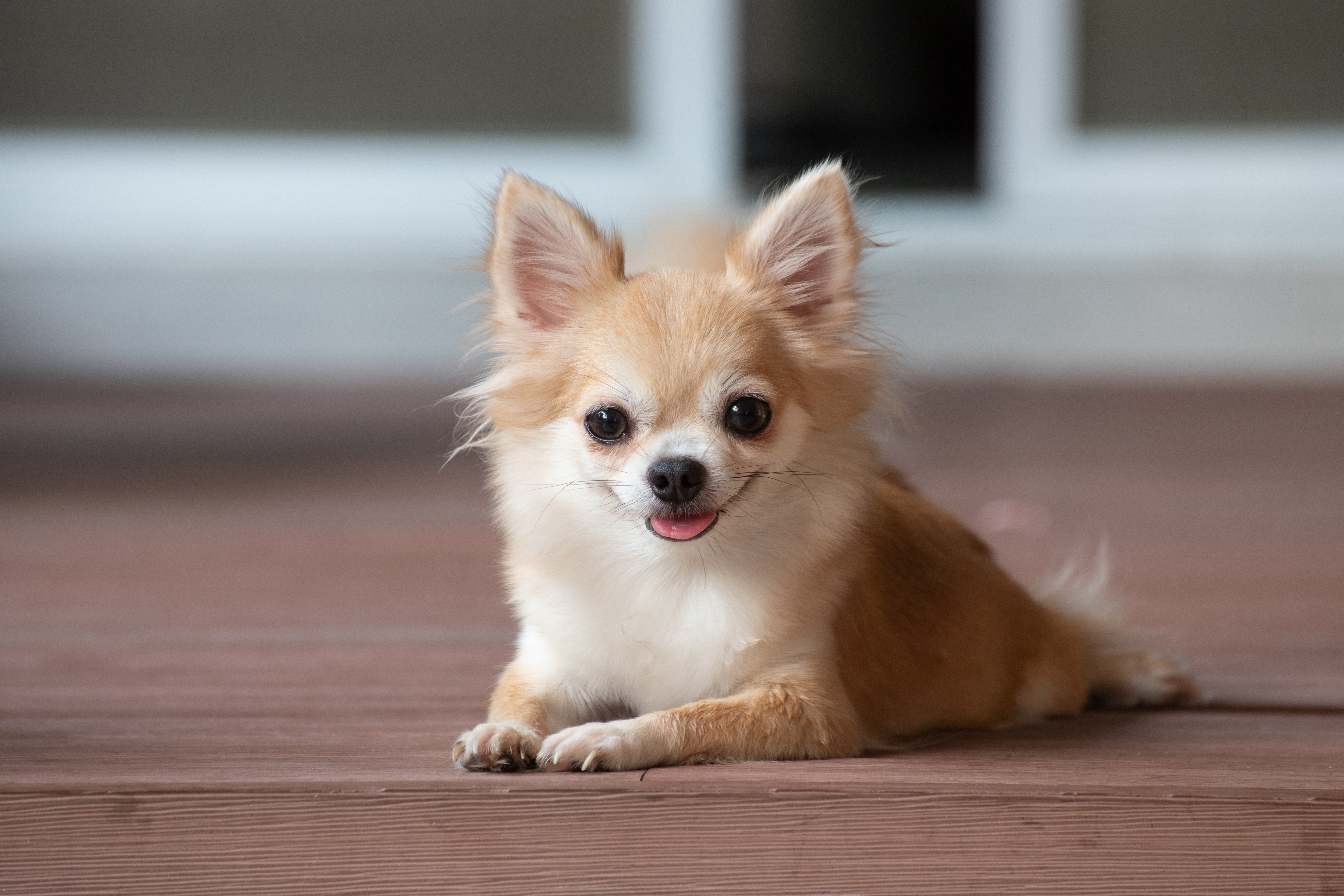
Typically weighing under twenty pounds, diminutive breeds range from pocket-sized companions to sturdier lapdogs. Many sport rounded heads, expressive eyes, and ears that seem almost oversized for their bodies—traits that add to their endearing, almost toy-like appearance.
Temperament
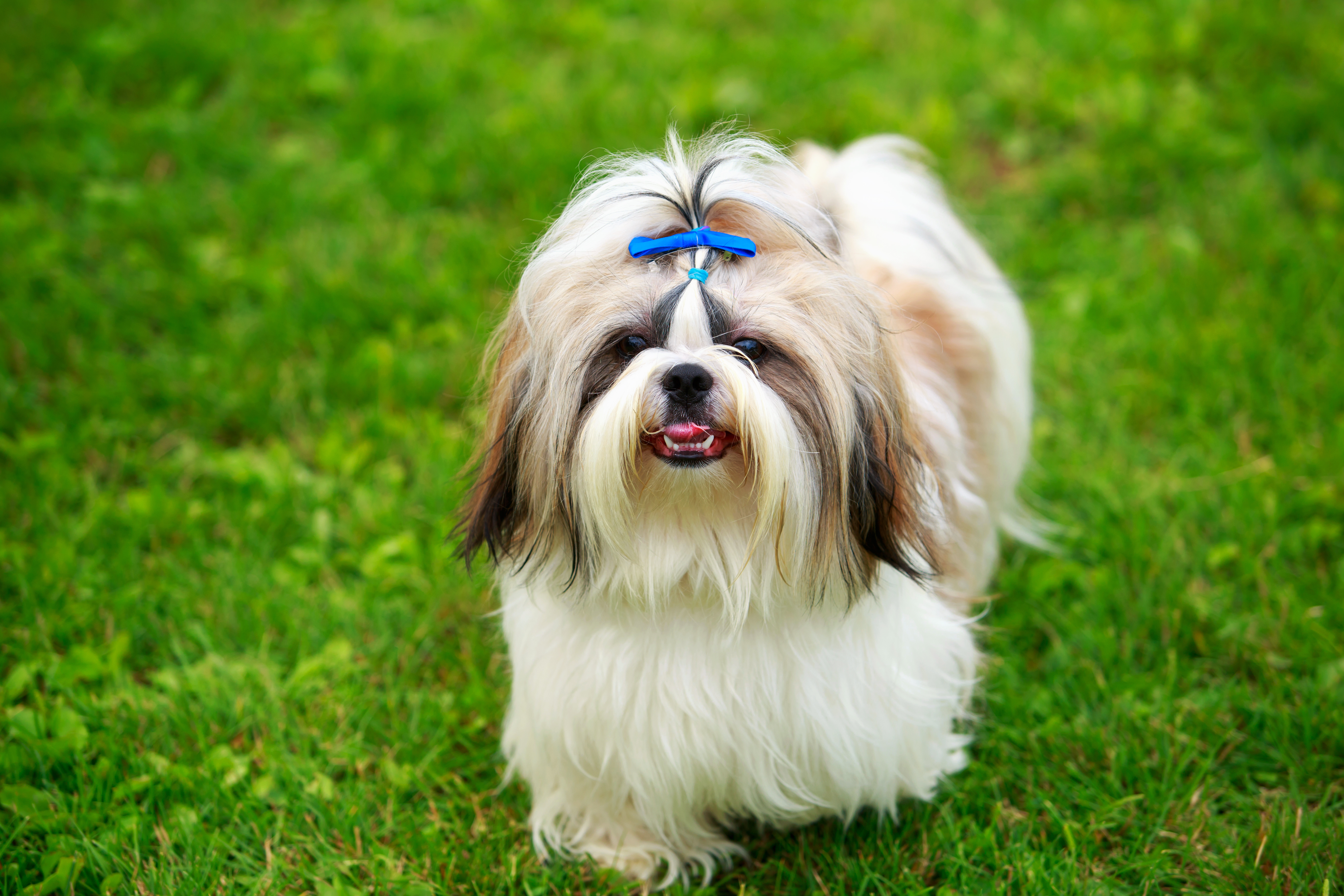
Most little dogs pack big personalities: alert, spirited, and eager to cuddle. Because they fit comfortably in arms or carriers, they often accompany owners on daily errands, strengthening the human-animal bond through constant, gentle interaction.
Health Considerations
Compact stature can bring specific vulnerabilities—dental crowding, loose kneecaps, or delicate airways. Routine check-ups, tooth brushing, and weight control go a long way toward preventing or managing these size-related issues.
Benefits of Sharing Life with a Small Dog
Convenience
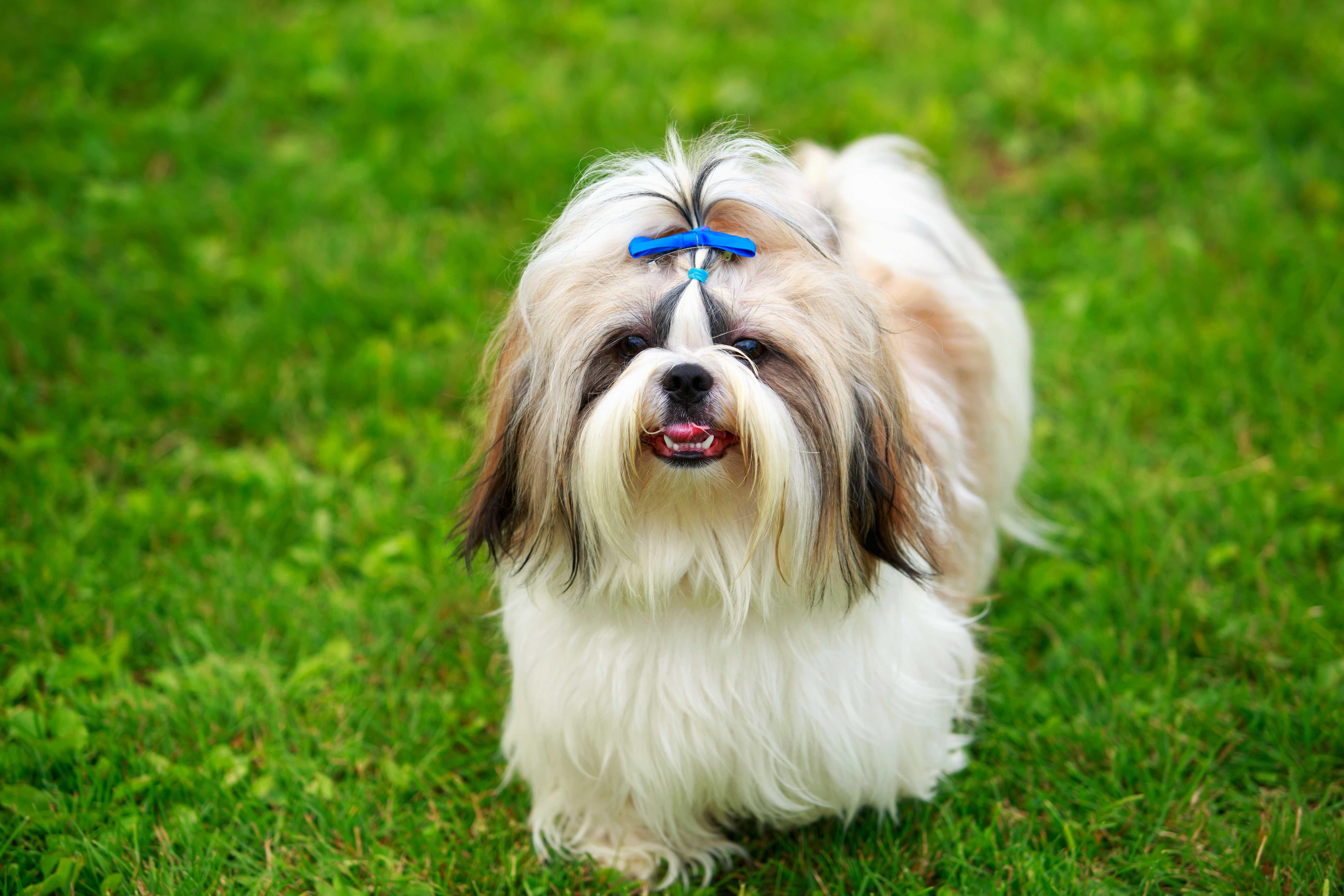
A modest appetite, minimal grooming supplies, and the ability to thrive in a studio apartment make tiny dogs practical for modern lifestyles. Travel is simpler, whether by car, train, or cabin-friendly air transit.
Companionship
These dogs excel at emotional support. Their instinct to stay close translates into a reassuring presence after a stressful day, and their manageable size encourages plenty of gentle physical affection.
Exercise Requirements
Short bursts of activity—hallway fetch, brisk walks around the block, or indoor obstacle courses—suffice to keep muscles toned and minds engaged, fitting easily into busy schedules.
Challenges of Small-Dog Ownership
Health Concerns
Vigilance is key. Subtle signs—reluctance to jump, persistent cough, or bad breath—can indicate problems that escalate quickly in tiny bodies. Early veterinary attention prevents minor issues from becoming major ones.
Behavioral Quirks
Without clear guidance, some little dogs develop “big-dog syndrome,” barking or guarding to compensate for size. Consistent, positive training and early social encounters teach calm confidence instead of nervous bravado.
Safety Issues
Small pets can squeeze through narrow gaps, slip out of loose collars, or be overlooked underfoot. Secure harnesses, fenced yards, and mindful foot traffic help avoid accidents or escapes.
Current Thinking on Small-Dog Wellness
Nutrition
Veterinary nutritionists now emphasize calorie-controlled, nutrient-dense kibble formulated for smaller jaws and faster metabolisms. Measuring portions and limiting sugary treats protect both waistline and teeth.
Exercise
Experts recommend several brief activity sessions over one long outing. Five-minute walks spaced throughout the day prevent overexertion while satisfying the canine need to explore.
Mental Enrichment

Puzzle feeders, scent games, and trick training tire out bright little minds far more effectively than repetitive fetch. Rotating toys weekly keeps novelty high and destructive boredom low.
Conclusion
Living with a small dog blends daily convenience with deep emotional rewards. Meeting their unique physical and behavioral needs creates a partnership that is as sturdy as any with a larger breed, proving that great love often comes in small packages.
Recommendations and Future Research
Scientists still have much to learn about how urban stressors—noise, pollution, crowded sidewalks—affect diminutive breeds. Long-term studies comparing varied diet and exercise protocols will refine best-practice guidelines.
For now, owners should schedule twice-yearly vet visits, feed age-appropriate balanced meals, and weave training cues into everyday interactions. A well-mannered, well-exercised small dog becomes an ambassador for all tiny companions, enriching both household and community.

In closing, a petite pup can bring oversized joy. With informed care and steady affection, these little dogs repay the investment with unwavering loyalty and endless moments of delight.


