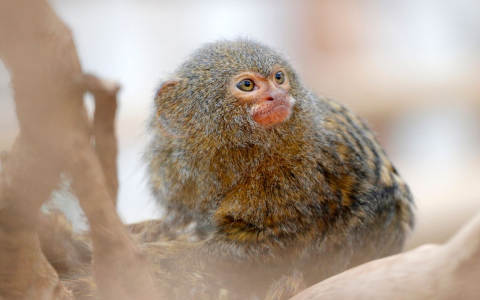
The Impact of Threatened Species on Conservation and Biodiversity
Introduction
The phrase “threatened species” covers any plant or animal assessed as vulnerable, endangered, or critically endangered by global conservation standards. These organisms face mounting risks from habitat loss, shifting climates, unsustainable harvesting, and contamination. Safeguarding them is essential for sustaining the planet’s variety of life and the services ecosystems provide. This article outlines why these species matter, the pressures they confront, and the measures taken to secure their future.
The Significance of Threatened Species in Conservation
Biodiversity and Ecosystem Services
Many threatened species act as keystone players: their disappearance can unravel entire ecological networks. Large herbivores, for example, disperse seeds over vast distances, shaping vegetation patterns that countless other organisms rely on. When such species decline, the effects ripple outward, reducing overall ecosystem resilience.
Ecological Interactions
Predators, pollinators, and even humble detritus-feeders regulate populations, cycle nutrients, and maintain habitat structure. A single threatened pollinator can influence the reproduction of hundreds of plant species, which in turn support insects, birds, and mammals. Losing even one link weakens the entire chain.
Cultural and Economic Value
From forest-dwelling communities who weave animals into oral traditions to tourists eager to glimpse rare wildlife, threatened species carry intangible and monetary worth. Responsible wildlife tourism channels revenue into local schools, clinics, and conservation jobs, aligning human well-being with species survival.
Challenges Facing Threatened Species
Habitat Loss and Fragmentation
Expanding farms, roads, and cities slice through once-continuous habitats, isolating populations and shrinking living space. Fragmented groups face inbreeding, edge effects, and heightened vulnerability to extreme weather.
Climate Change
Rising temperatures alter flowering times, shift prey distributions, and shrink suitable ranges faster than many species can adapt. Alpine and polar dwellers are especially exposed as warming redraws the map of habitable terrain.
Unsustainable Harvesting and Illegal Trade
High demand for pets, traditional products, and luxury items pushes some species toward the brink. Even low-level, persistent offtake can outpace reproduction in slow-breeding animals.
Pollution
Pesticides, plastics, and industrial effluents accumulate in tissues, impair reproduction, and degrade water and soil quality. Light and noise pollution further disorient migrating wildlife and disrupt natural behaviors.
Conservation Strategies for Threatened Species
Habitat Protection and Restoration
Establishing connected reserves, enforcing land-use rules, and replanting native vegetation rebuild living space and allow safe movement between populations.
Translocation and Reintroduction Programs
Carefully moving individuals to restored or secure sites can re-establish lost populations and increase genetic diversity, provided habitat quality and community support are in place.
Community-Based Conservation
Sharing decision-making with local and Indigenous groups taps into deep ecological knowledge and aligns conservation with livelihoods. Sustainable harvest quotas, eco-lodges, and craft markets give people tangible stakes in healthy ecosystems.
Law Enforcement and Policy
Stronger penalties, cross-border cooperation, and consumer-focused campaigns reduce demand and disrupt trafficking networks. Transparent supply-chain rules and certification schemes help buyers choose wildlife-friendly products.
Conclusion
Threatened species are living threads that hold ecosystems—and human societies—together. Their loss erodes nature’s ability to provide clean air, fresh water, food security, and cultural inspiration. While the challenges are steep, coordinated action grounded in sound science and inclusive governance can still bend the curve toward recovery.
Future Directions
Continued monitoring, open data sharing, and adaptive management will be vital as conditions change. Investing in nature-based solutions, green technologies, and equitable financing can scale up successes. Ultimately, safeguarding threatened species is a shared responsibility that links local actions to global outcomes, ensuring a resilient planet for generations to come.
In conclusion, protecting threatened species demands sustained collaboration among governments, scientists, communities, and businesses. By valuing nature in policy and practice, we can reverse declines and secure a thriving, diverse biosphere that supports all life on Earth.