
How Does an Arrow Kill an Animal?
Introduction
Arrows have been used for millennia to harvest game. The physics and physiology behind their lethality still fascinate hunters, veterinarians, and wildlife observers alike. This overview examines the main ways an arrow can end an animal’s life, from instant trauma to lingering complications, underscoring why responsible shot placement and equipment choice matter.
Immediate Effects of an Arrow Wound
Once released, an arrow strikes at high velocity. The exact damage depends on arrow design, impact angle, and the target’s anatomy. Key immediate consequences include:
1. Penetration and Tissue Damage
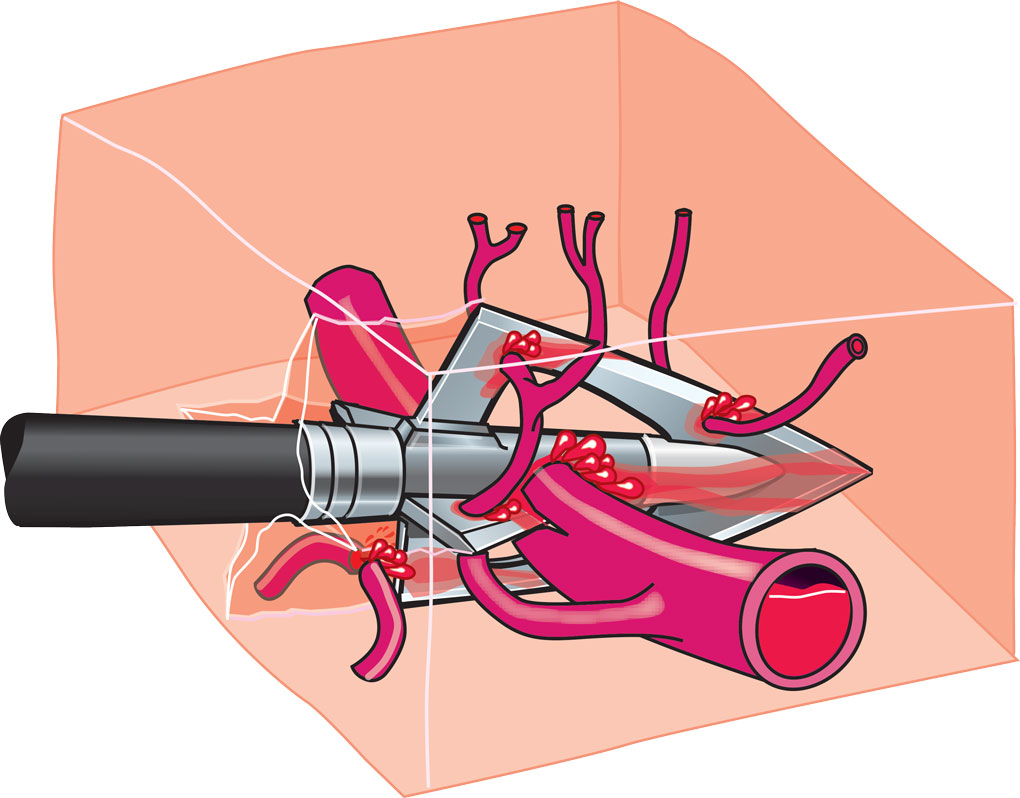
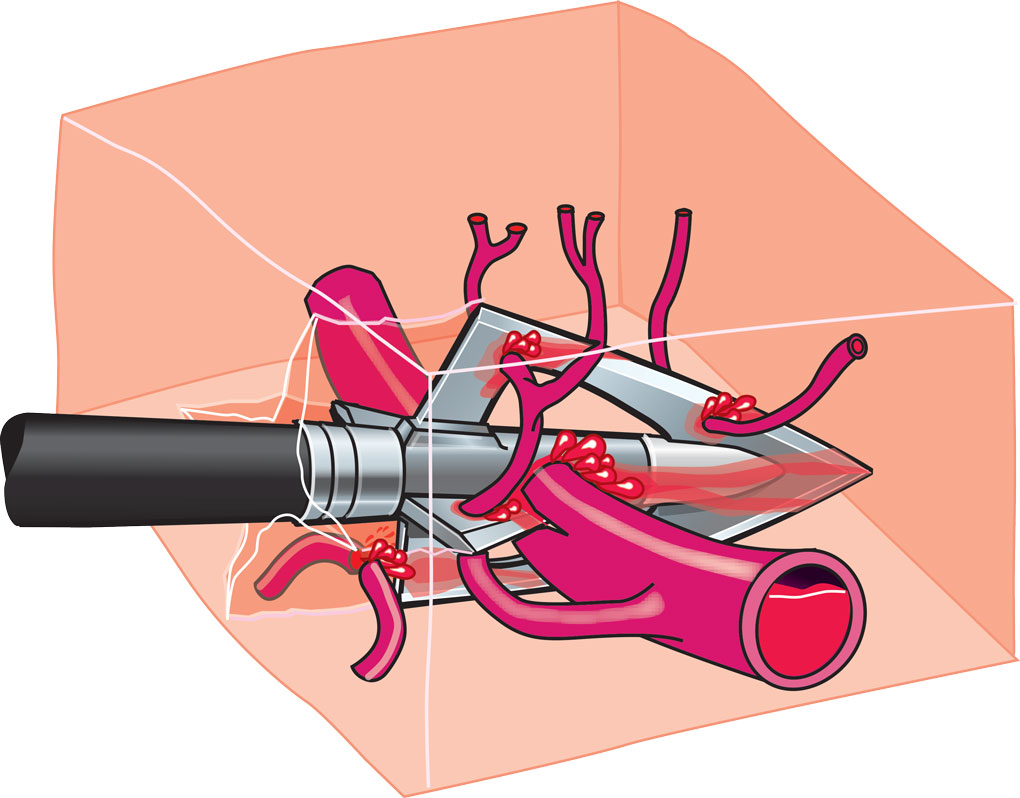
The shaft and head slice through hide, muscle, and—ideally—vital organs. Kinetic energy tears tissue, ruptures vessels, and creates a wound channel that bleeds rapidly.
2. Blood Loss
Severed arteries or veins can drop blood pressure within minutes. Rapid hemorrhage is the primary killer when major vessels or the heart are hit.
3. Pain and Stress
Even non-fatal hits trigger shock, elevated heart rate, and panic. Disoriented animals may flee farther than normal, complicating tracking and increasing overall suffering.
Long-Term Effects of an Arrow Wound
If the animal survives the first hour, secondary problems can still prove fatal:
1. Infection
Bacteria from hide, arrow components, or the environment colonize the wound, leading to abscesses, septicemia, and eventual weakness or death.
2. Chronic Pain
Persistent discomfort reduces feeding and resting, causing steady weight loss and lowered immunity.
3. Mobility Issues
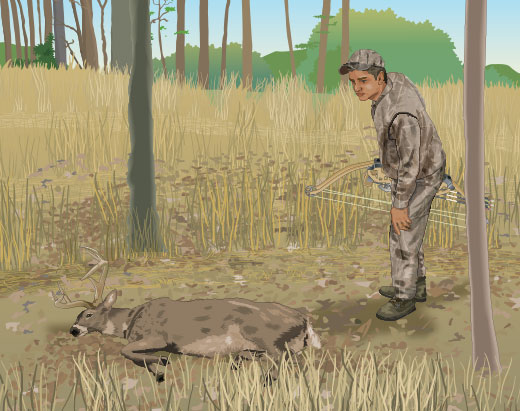
Damage to tendons, joints, or bones limits running, climbing, or grazing, raising the risk of starvation or predation.
Factors Affecting the Outcome of an Arrow Wound
Several variables decide whether the animal dies quickly, recovers, or lingers:
1. Type of Arrow
Sharp, wide-cutting heads create larger channels and faster bleeding than small game points or practice tips.
2. Speed of the Arrow
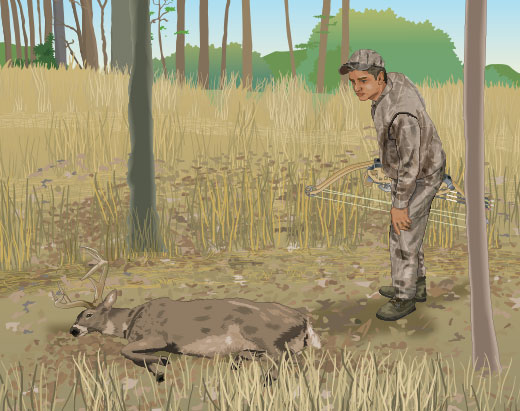
Higher velocity increases penetration and shock but must be paired with accurate placement to be effective.
3. Angle of Impact
A broadside shot into the thorax is more likely to reach vital organs than a steep raking angle that lodges in muscle or gut.
4. Size and Species of the Animal
Thick-skinned or heavily boned animals may need more penetration, while smaller species succumb to modest wounds more quickly.
Conclusion
Recognizing how arrows kill encourages hunters to refine accuracy, select appropriate gear, and take only high-percentage shots. For wildlife professionals and enthusiasts, the same knowledge promotes informed discussion about humane harvest and the hidden toll of non-lethal hits. Continued study and open conversation remain essential to balance tradition with modern ethics.