



Blue Russian Kittens: A Gentle Guide
Introduction
Among the many breeds that charm cat lovers, the Blue Russian stands out for its silvery-blue coat, poised look, and warm personality. This guide offers an overview of the breed’s background, traits, daily care, and how to welcome a healthy kitten into your home.
History of the Blue Russian Breed
The breed took shape in northern Russia over a century ago. Local short-haired cats with bluish fur were gradually refined into the modern Blue Russian, a cat prized first for keeping rodents at bay and later for its elegant appearance and calm temperament.
Characteristics of Blue Russian Kittens
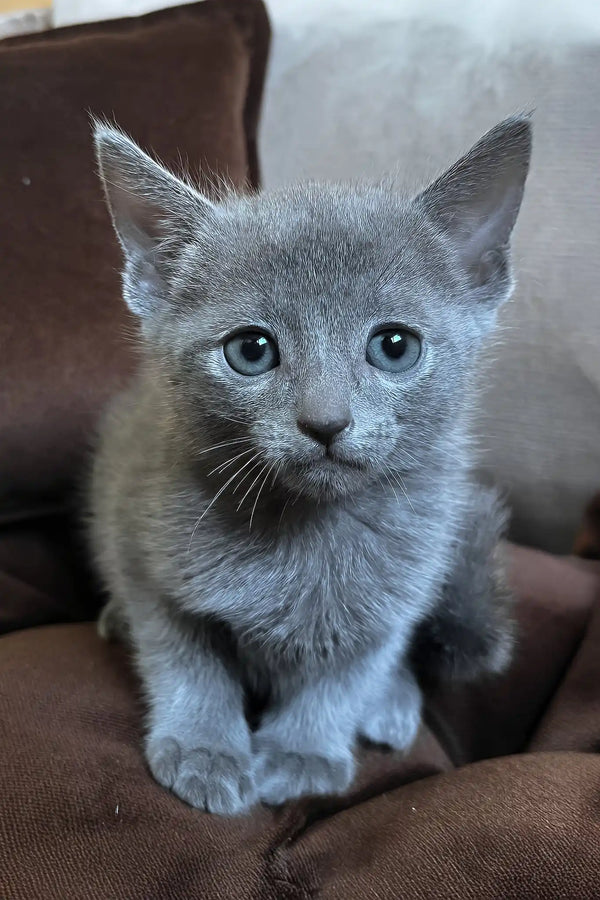
Kittens are born with plush, short coats that soon develop the signature silver sheen. They have rounded faces, wide green eyes, and compact, muscular bodies. While blue-gray is classic, some lines show lighter or darker shades. Owners often praise their affectionate, people-oriented nature; these cats like to follow family members from room to room and quickly learn household routines.
Care Requirements for Blue Russian Kittens
Bringing one home means meeting a few basic needs:
Diet
Offer age-appropriate, high-quality cat food divided into small meals throughout the day. Fresh water should always be available. Your vet can suggest portion sizes and any supplements that might help joints or coat condition.
Grooming
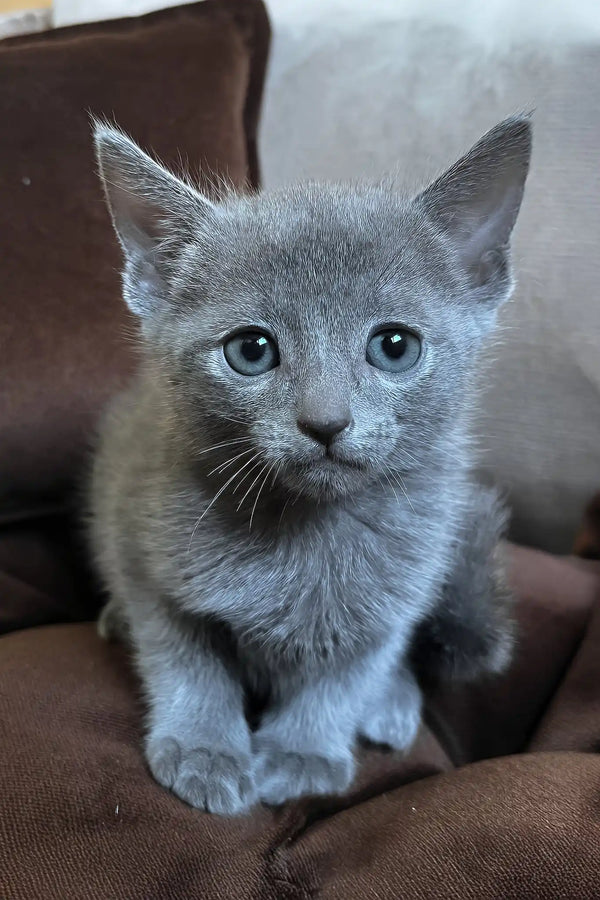
A quick brush once or twice a week keeps the dense coat glossy and reduces loose hair. Trim nails monthly, check ears for wax, and introduce tooth-brushing early so dental care becomes routine rather than stressful.
Exercise
These kittens stay playful well into adulthood. Provide climbing trees, puzzle feeders, and short interactive play sessions to burn energy and prevent unwanted weight gain.
Health Care
Schedule an initial vet visit soon after arrival. Keep core vaccines, parasite control, and yearly wellness exams on the calendar. Because the breed can inherit some heart and kidney issues, discuss screening options with your veterinarian.
The Importance of Responsible Breeding
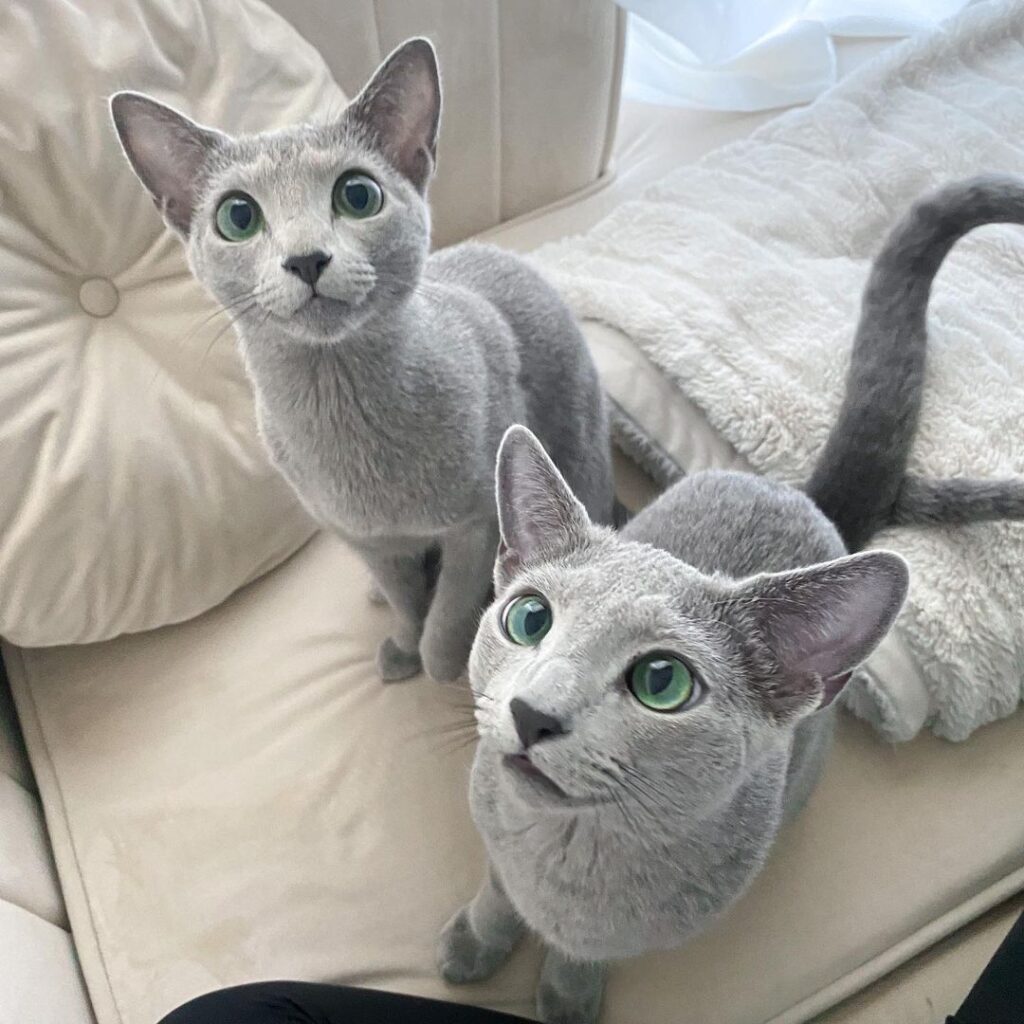
Popularity has attracted profit-driven breeders who may skip health tests or keep cats in poor conditions. Ethical breeders, by contrast, raise kittens underfoot, test for known hereditary problems, and retire queens and studs while they are still young and healthy. Supporting such sources helps preserve the friendly, robust nature of the breed.
Finding Blue Russian Kittens
Take time to locate a caring, transparent breeder or consider breed-specific rescue groups. Useful steps include:
Research Breeder Reputation
Look for consistent praise in online feline communities, local cat clubs, or veterinary references. Long-standing breeders usually welcome questions and share photos of their cattery setup.
Visit the Breeder’s Facility
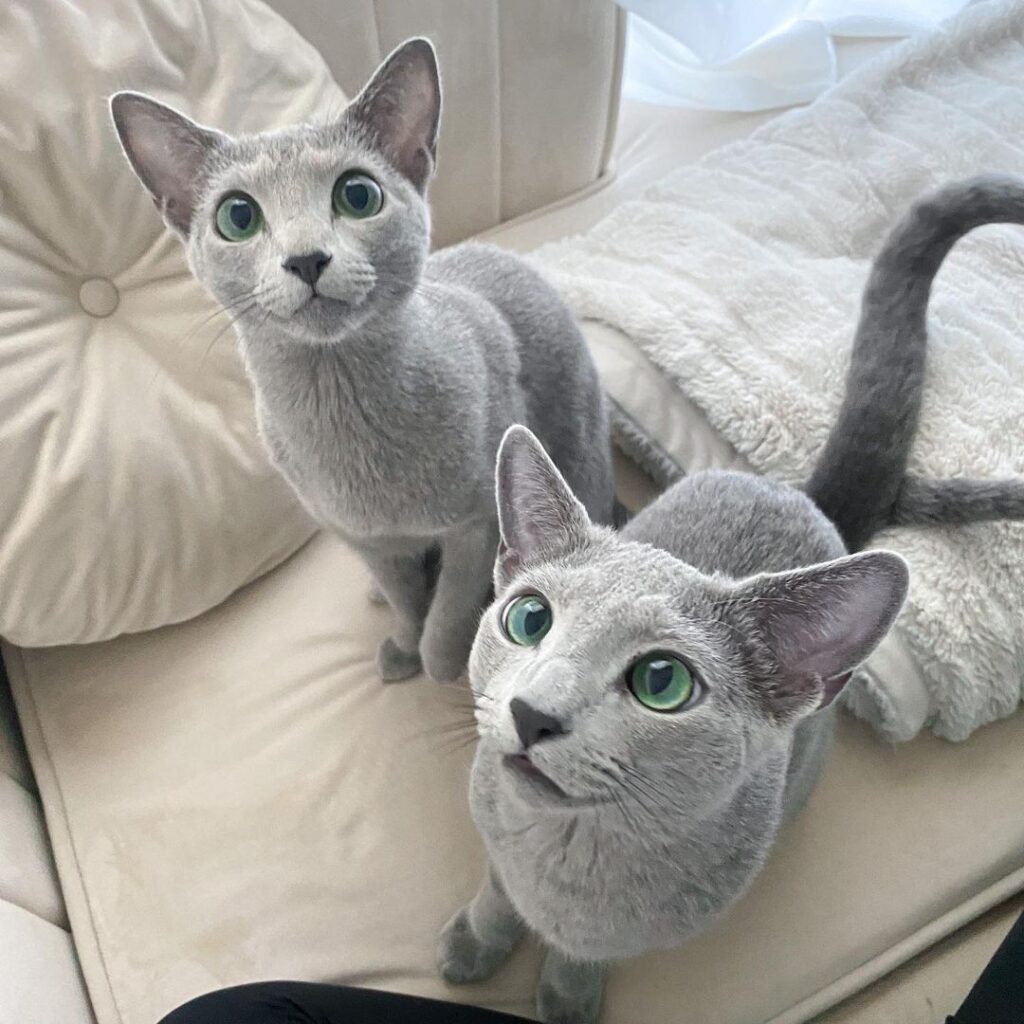
A clean, odor-free environment with ample space, toys, and human interaction is a good sign. Meet at least one parent cat to gauge temperament and overall health.
Ask About Health and Genetic Testing
Request documentation of screenings for common issues such as hypertrophic cardiomyopathy. Honest breeders readily provide results and explain any terms you do not understand.
Request References
Speaking with previous buyers offers insight into the kitten’s adjustment period and the breeder’s ongoing support after purchase.
Conclusion
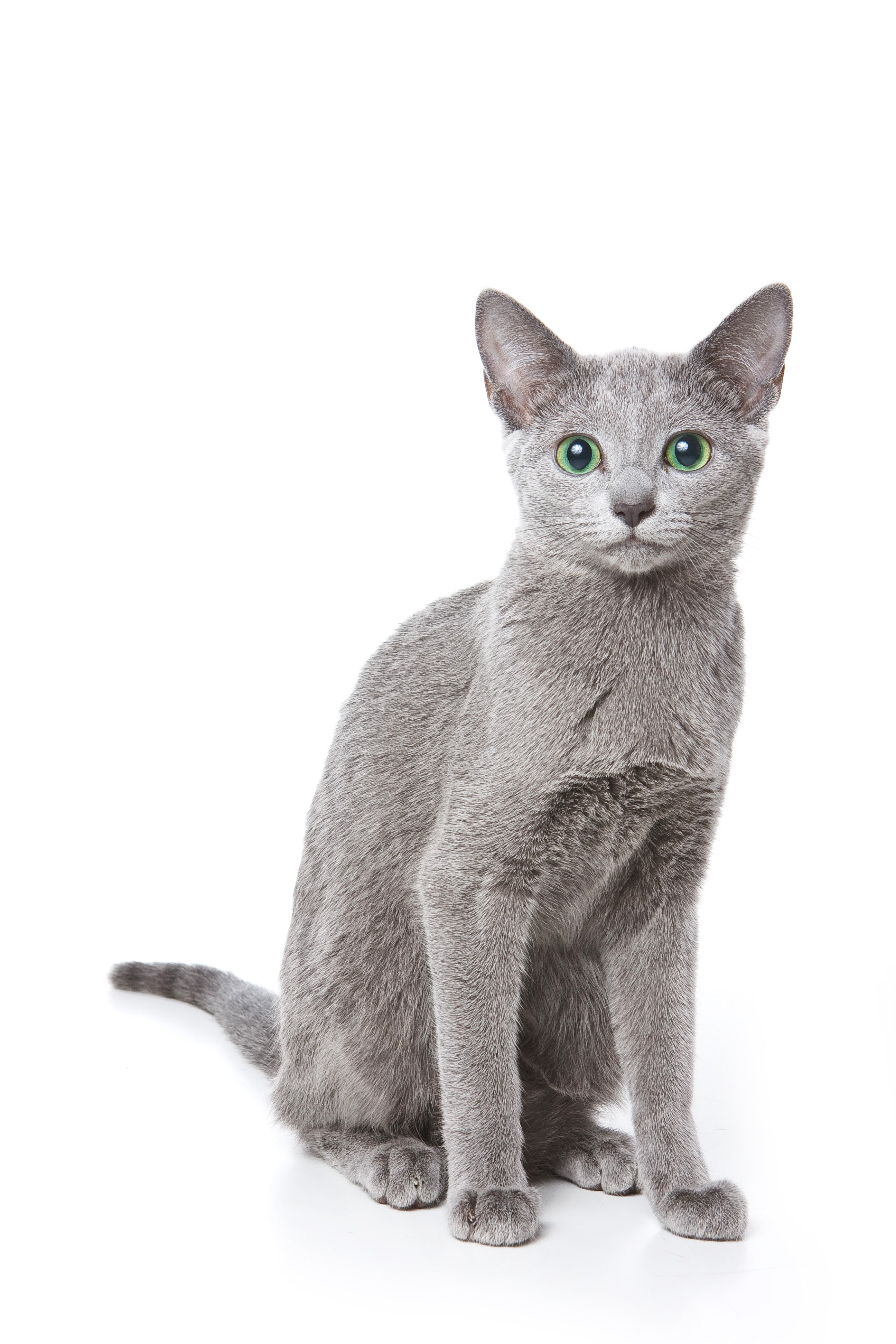
A Blue Russian kitten can be a loving, low-drama companion for years to come. By learning about the breed’s needs and choosing a responsible source, you set the stage for a smooth transition and a lifetime of quiet purrs and gentle head-butts.


