



The Art and Ethics of Advertising Puppies
Introduction
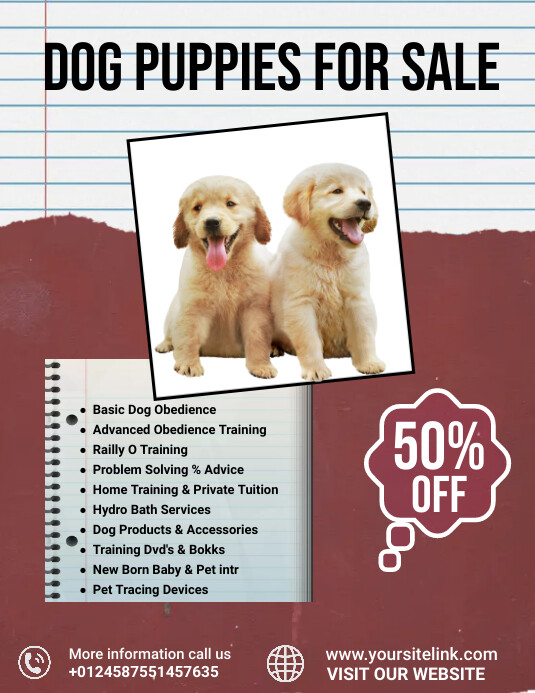
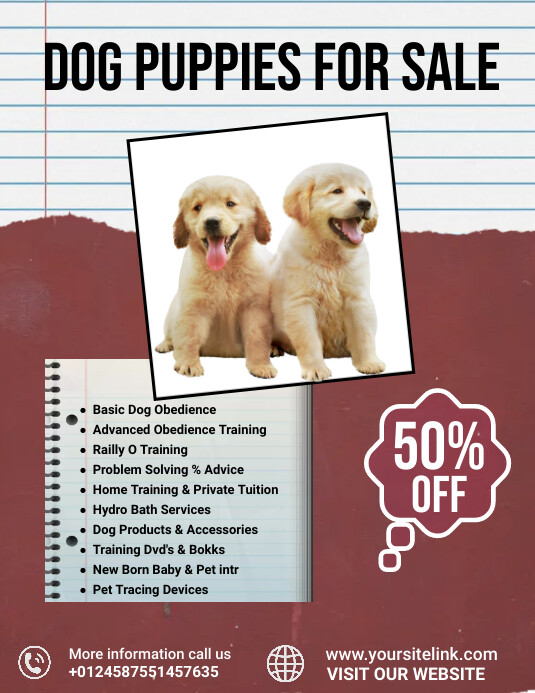
The market for promoting young dogs has expanded rapidly as more people seek animal companions. This growth has sparked debate about how puppies are presented to the public. The following discussion reviews the advantages, moral questions, and consequences for both future owners and breeders.
The Benefits of Advertising Puppies
Promotion offers value to responsible breeders by widening their audience, while giving families a broader view of available dogs. Clear listings help match lifestyles with the right temperament, size, and energy level.
Increased Accessibility
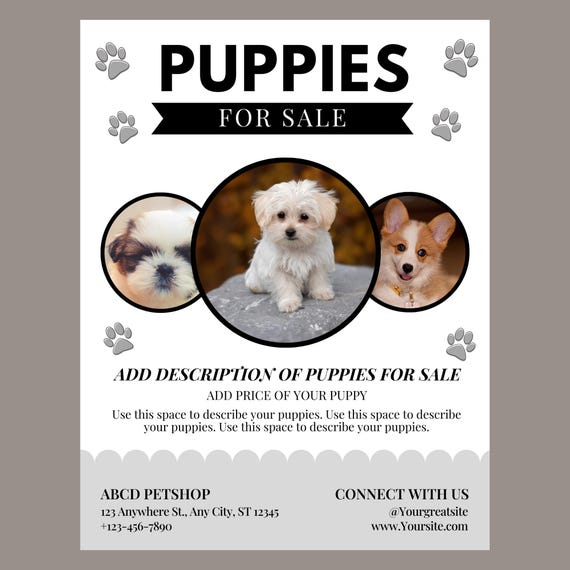
Digital platforms shrink geographical barriers, allowing reputable breeders and approved shelters to connect with adopters across regions. This openness supports diverse households in finding a suitable four-legged friend.
Enhanced Transparency
Detailed posts about health checks, vaccinations, and socialization build trust. When photos, videos, and veterinary notes are shared, buyers gain confidence that welfare has been prioritized.
Ethical Considerations in Advertising Puppies
Despite the advantages, several moral issues deserve attention.
Animal Welfare
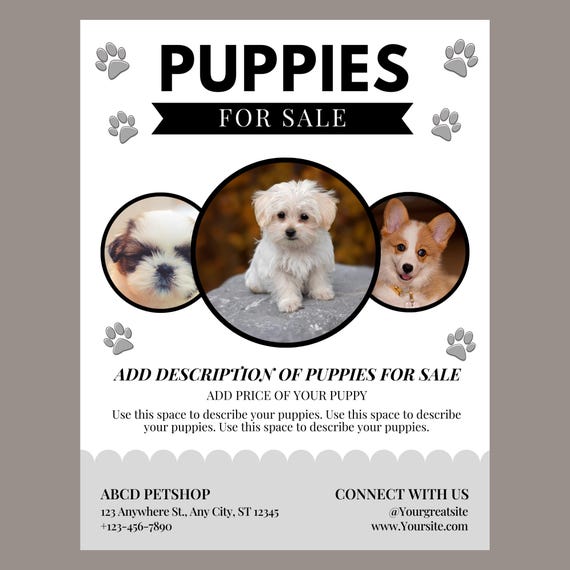
High-volume operations sometimes place profit ahead of care, leading to cramped conditions and minimal veterinary oversight. Marketing that ignores these realities can unintentionally reward poor practices.
Misinformation
Exaggerated claims about size, pedigree, or future health may mislead adopters. Honest, verifiable descriptions reduce the risk of disappointment and later relinquishment.
Emotional Manipulation
Cute images and urgent slogans can prompt snap judgments. Encouraging reflection and multiple visits helps ensure decisions are made with long-term commitment in mind.
The Impact on Puppy Buyers
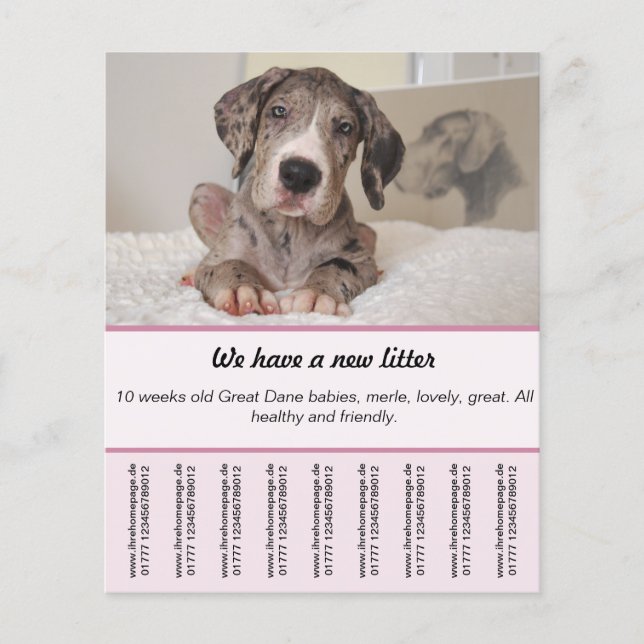
How dogs are promoted shapes the adoption experience.
Informed Decision-Making
Comprehensive profiles—covering exercise needs, grooming demands, and typical lifespan—prepare families for daily life with a new pet, raising the chance of a lasting bond.
Impulse Purchases
Flashy ads that stress immediate availability can lead to rushed choices. Cooling-off periods and clear return policies protect both dog and guardian when circumstances change.
The Role of Regulation
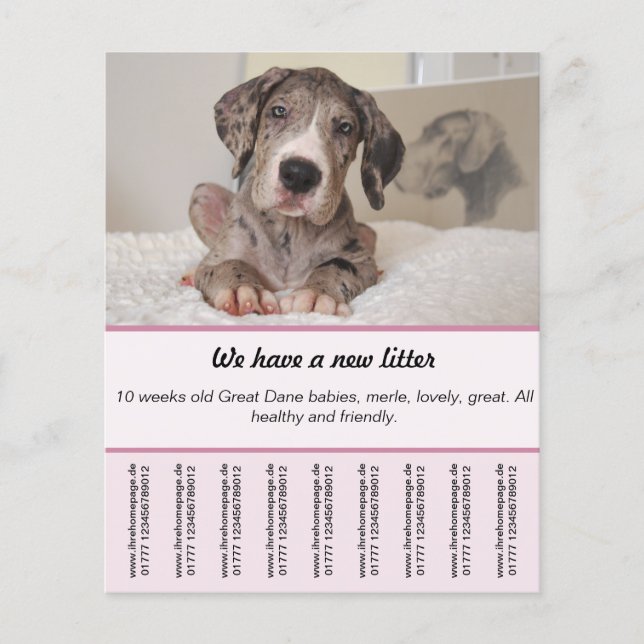
Sensible rules can curb harm and support ethical operators.
Stricter Breeding Standards
Licensing requirements, routine inspections, and limits on litter frequency promote higher welfare and discourage mass production.
Transparency Laws
Mandatory disclosure of medical history, living conditions, and parental health records helps buyers verify claims before committing.
Consumer Education
Public campaigns on responsible ownership, cost expectations, and the benefits of adoption encourage thoughtful choices over impulse.
Conclusion
Promoting puppies is now woven into the modern pet sector, offering convenience yet posing ethical dilemmas. By combining regulation, education, and accountable marketing, the process can safeguard animals and create happier homes.
Recommendations and Future Research
To strengthen practice, stakeholders might:
1. Enforce consistent welfare standards and regular inspections.
2. Require full, accurate data in every listing.
3. Expand outreach on lifelong care and financial responsibility.
4. Favor verified platforms that pre-screen sellers and support post-adoption guidance.
Areas for further study include:
1. Long-term effects of promotional styles on canine well-being.
2. Best-practice marketing that rewards humane breeding and adoption centers.

3. Influence of educational programs on buyer behavior and surrender rates.
Addressing these points can help ensure that puppy promotion remains a positive, ethical bridge between healthy dogs and loving homes.


