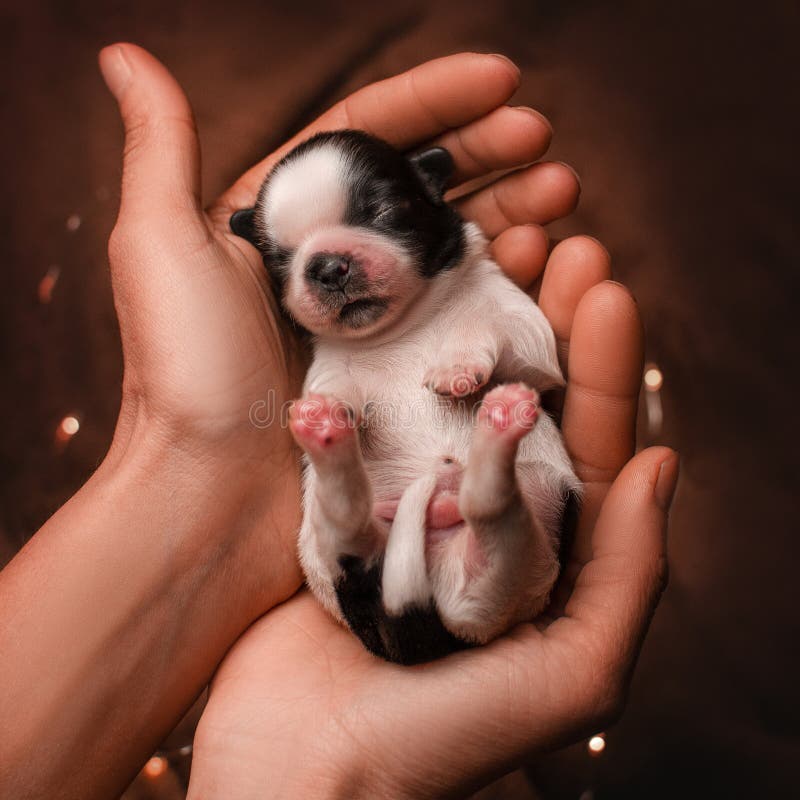
The Importance of Shih Tzu Newborn Care: A Comprehensive Guide
Introduction
The Shih Tzu, a beloved toy breed, wins hearts with its silky coat and gentle personality. When a tiny puppy arrives, understanding its earliest needs sets the stage for a lifetime of good health. This guide walks you through the basics of newborn care—feeding, grooming, and early health monitoring—so your puppy gets the best possible start.
Feeding a Shih Tzu Newborn
Choosing the Right Formula
Newborns rely entirely on milk for growth. Select a canine milk replacer that lists quality protein and balanced fat among its first ingredients. These nutrients support brain development and a strong immune system until weaning begins.

Feeding Schedule
Offer small meals every two to three hours around the clock for the first three weeks. As the puppy’s stomach capacity increases, stretch intervals to four hours, then introduce gruel when teeth appear. Consistent timing helps prevent both hunger and over-feeding.
Monitoring Weight Gain
Weigh the pup daily on a kitchen scale. A steady daily gain—just a few grams—is normal; plateaus or losses warrant a prompt vet check. Early correction of feeding issues prevents setbacks later.
Grooming a Shih Tzu Newborn
Regular Brushing

Begin gentle brushing with a soft bristle brush once the coat starts to lengthen. Two brief sessions a day keep the fine hair free of tangles and accustom the puppy to being handled.
Bathing
Spot-clean soiled areas with a warm, damp cloth instead of full baths. When a real bath becomes necessary, use a mild puppy shampoo, rinse thoroughly, and dry with a soft towel to avoid chills.
Nail Trimming
Clip the tips of the nails every couple of weeks using tiny scissor-style clippers. Take only the sharp end to avoid the quick; frequent, conservative trims keep feet comfortable and posture correct.
Health Concerns in Shih Tzu Newborns
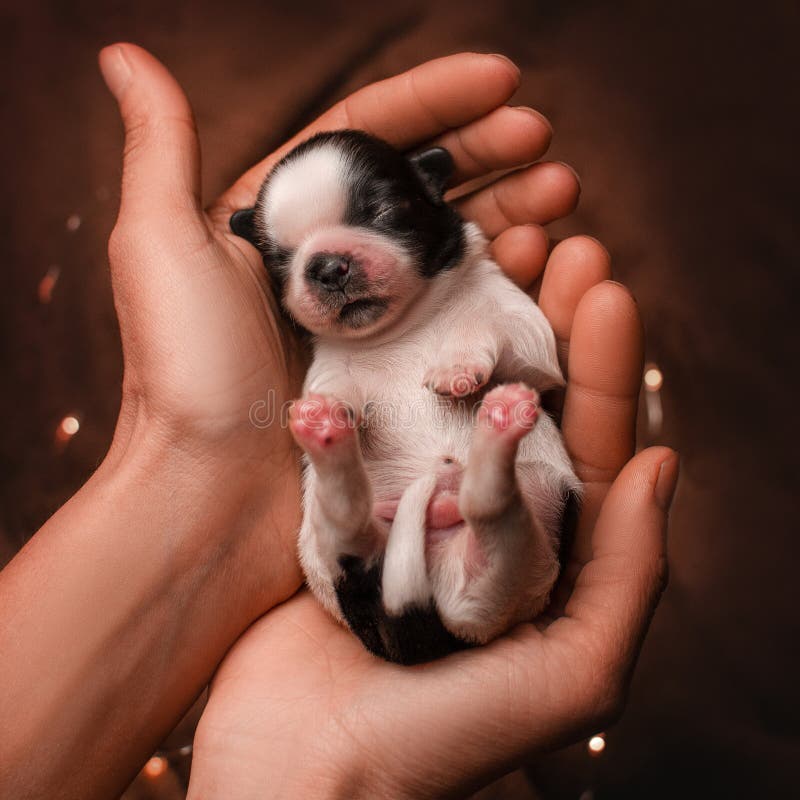
Common Health Issues
Watch for noisy breathing, eye discharge, or reluctance to nurse—early signs that merit veterinary attention. Because the breed can inherit structural issues, prompt evaluation improves outcomes.
Vaccinations and Preventive Care
Start the standard puppy vaccine series around six to eight weeks of age, then follow your veterinarian’s schedule for boosters. Regular deworming and flea prevention round out a simple but effective wellness plan.
Conclusion
Caring for a Shih Tzu newborn is a short but critical chapter. With balanced nutrition, gentle grooming, and timely vet visits, you give your puppy the foundation for a healthy, happy life. Stay observant, ask questions, and enjoy watching your little companion thrive.