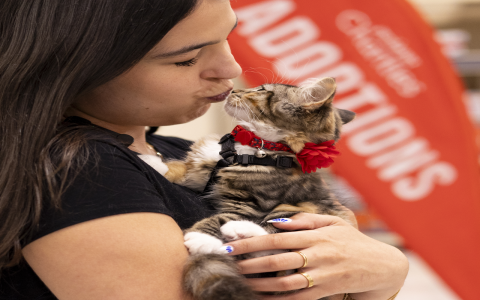
The Impact of In-Store Pet Adoption Events on Animal Welfare and Community Engagement
Introduction
Across the country, weekend adoption events held inside pet-supply stores have quietly become one of the most effective tools for moving animals from rescue groups into permanent homes. These gatherings do more than find kittens and puppies new families; they ease pressure on overcrowded shelters, teach prospective owners about lifelong care, and turn casual shoppers into active volunteers. This article looks at how well-run adoption events reduce homeless-animal numbers, encourage responsible guardianship, and strengthen neighborhood ties.
Reducing Shelter Overcrowding
Every year, millions of dogs, cats, and small critters enter the shelter system. Well-publicized, in-store adoption weekends help move healthy, vaccinated animals straight from foster homes to adopters, bypassing the shelter kennel entirely and freeing scarce cage space for emergency cases.
Adoption Events and Partnerships
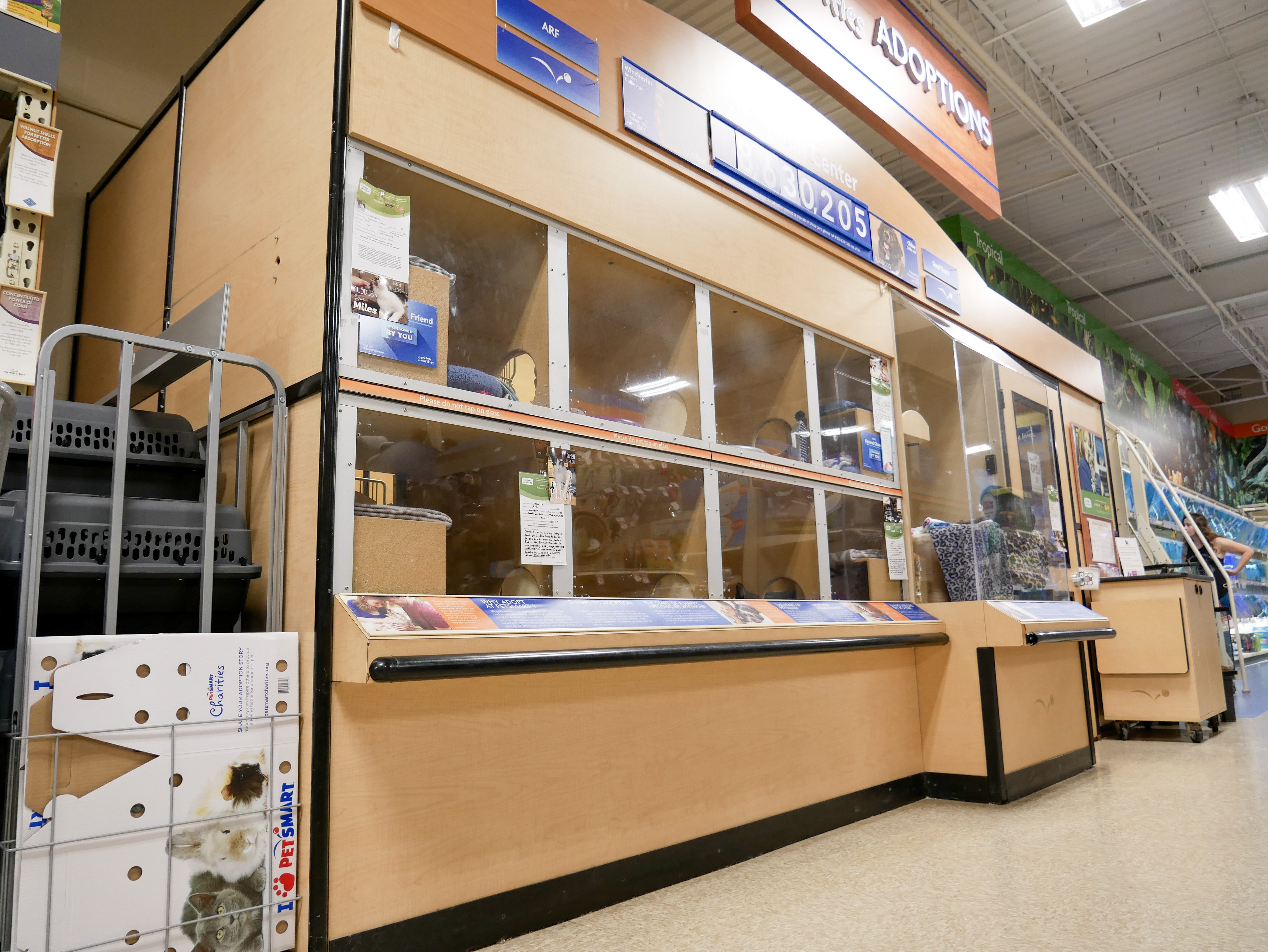
Store management invites local rescues to set up meet-and-greet pens in high-traffic aisles. Volunteers share each animal’s history, personality, and care needs while shoppers interact with pets in a relaxed setting. Because multiple groups participate, the lineup usually includes a wide age range—from bouncy youngsters to mellow seniors—giving every visitor a chance to find the right match.
Low-Cost Spay and Neuter Services
On the same day, many events offer discount vouchers for sterilization surgery. Staff hand out simple schedules for nearby clinics and explain why timely spaying or neutering prevents future litters. This practical support nips overpopulation in the bud and signals that responsible ownership starts before the new pet even leaves the store.
Promoting Responsible Pet Ownership
Beyond the handshake that seals an adoption, organizers aim to create confident caregivers. Several on-site resources make that goal realistic.
Pet Parent Education
Free leaflets cover daily care, safe introduction to resident pets, and warning signs that warrant a vet visit. Short talks repeat every hour, so busy shoppers can still pick up tips on nutrition, exercise, and enrichment toys. The consistent message: a well-informed owner is less likely to return an animal.
Behavior Training and Counseling
A follow-up card provides the phone number of a certified trainer who offers discounted first sessions. Early guidance on house-training, leash manners, or separation anxiety keeps newly formed families intact and reduces the chance that minor issues escalate into deal-breakers.
Fostering Community Engagement
Adoption days double as community festivals. Face-painting booths for kids, donation bins for food or blankets, and sign-up sheets for weekend volunteers turn one-day adopters into long-term supporters.
Volunteer Opportunities
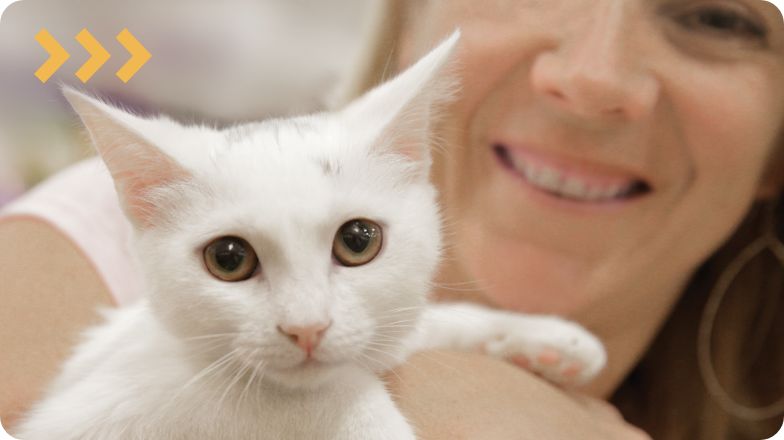
Locals can walk dogs during their lunch break, transport animals from foster homes to the store, or manage social-media posts. Flexible shifts appeal to students, retirees, and remote workers alike, weaving animal welfare into everyday neighborhood life.
Community Outreach Programs
During holiday seasons, the same network organizes coat drives for short-haired dogs and collection bins for gently used beds or toys. These small acts keep the spirit of giving alive long after the last kitten has been adopted.
Conclusion
By merging retail foot traffic with rescue needs, in-store adoption events tackle shelter overcrowding, equip new owners with knowledge, and knit volunteers into a supportive circle. The result is a scalable, feel-good model that benefits animals and people in equal measure.
Revisiting the Purpose and Importance
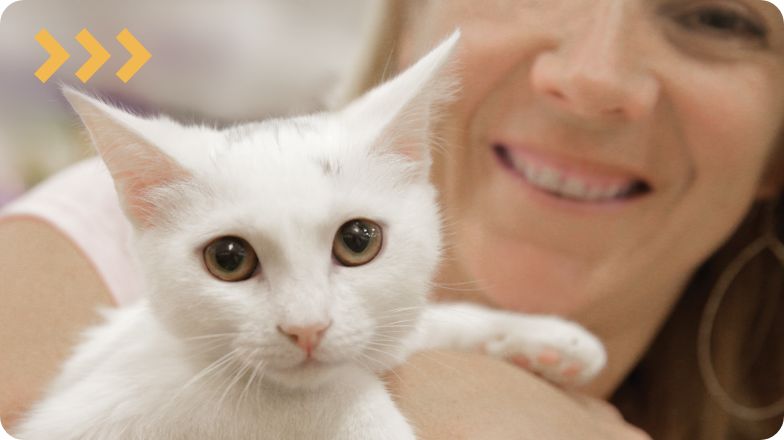
This overview has highlighted how thoughtfully planned adoption weekends serve as a bridge between homeless pets and caring households. They demonstrate that community spaces—when paired with education and low-cost services—can become powerful engines for humane change.
Recommendations and Future Research
To widen the reach of these events, organizers could:
1. Invite additional rescue partners to increase the variety of animals available.
2. Streamline online pre-adoption applications so visitors can pre-qualify and shorten wait times.
3. Continue expanding voucher programs for spay/neuter and basic veterinary care.
Future studies might track adopted animals for one year to measure retention, gather data on behavioral successes, and compare event-based adoptions with traditional shelter placements to refine best practices for other regions.