
Lost Chihuahua Nearby: A Practical Guide
Introduction
Few things feel as urgent as discovering a tiny dog has slipped out of sight. When a Chihuahua disappears, every minute matters. This overview looks at why these little dogs are so hard to locate, how neighbors can help, and which simple steps improve the odds of a happy reunion.
The Emotional Impact of a Missing Chihuahua
Chihuahuas often bond closely with their families, so their absence leaves a noticeable gap. Owners commonly cycle through worry, guilt, and hope, all while imagining the worst. Recognizing these feelings is the first step toward staying focused during the search.
The Challenges of Locating a Small Dog
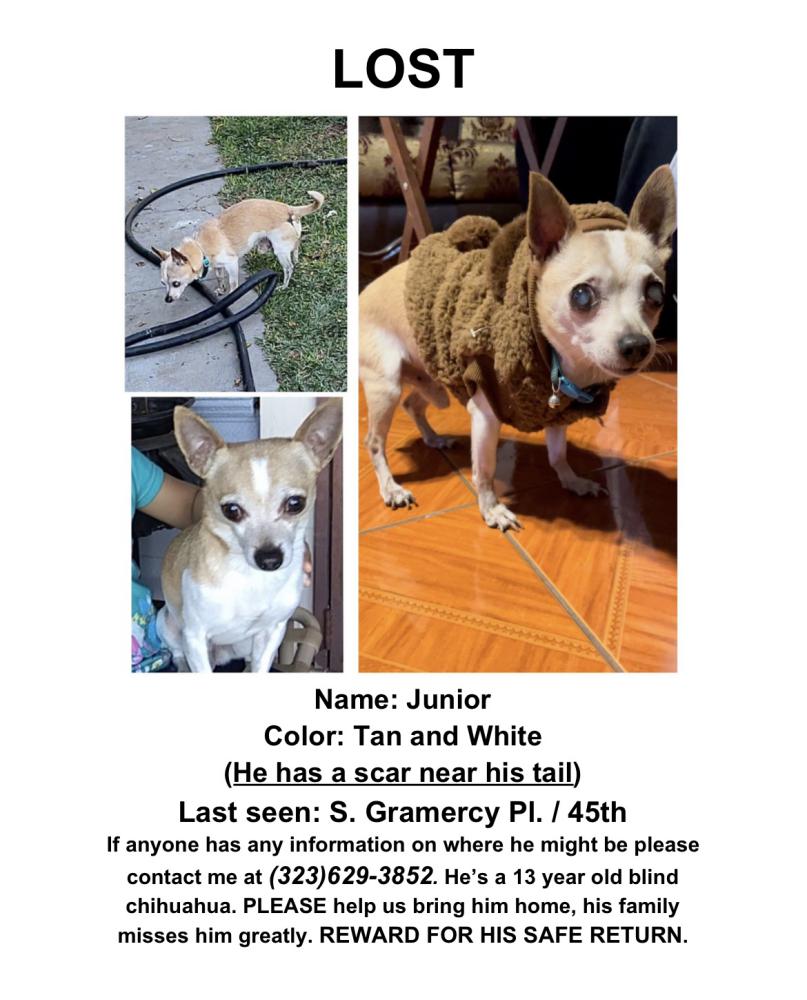
Size, temperament, and environment all work against a quick find. The main hurdles include:
1. Limited Visibility
A three-kilogram canine can hide under a single shrub or slip through narrow fence gaps, making visual sweeps surprisingly difficult.
2. Fear or Injury
A startled Chihuahua may dart away from friendly voices, and even minor injuries slow its movement, reducing the chance of accidental sightings.
3. Sparse Details
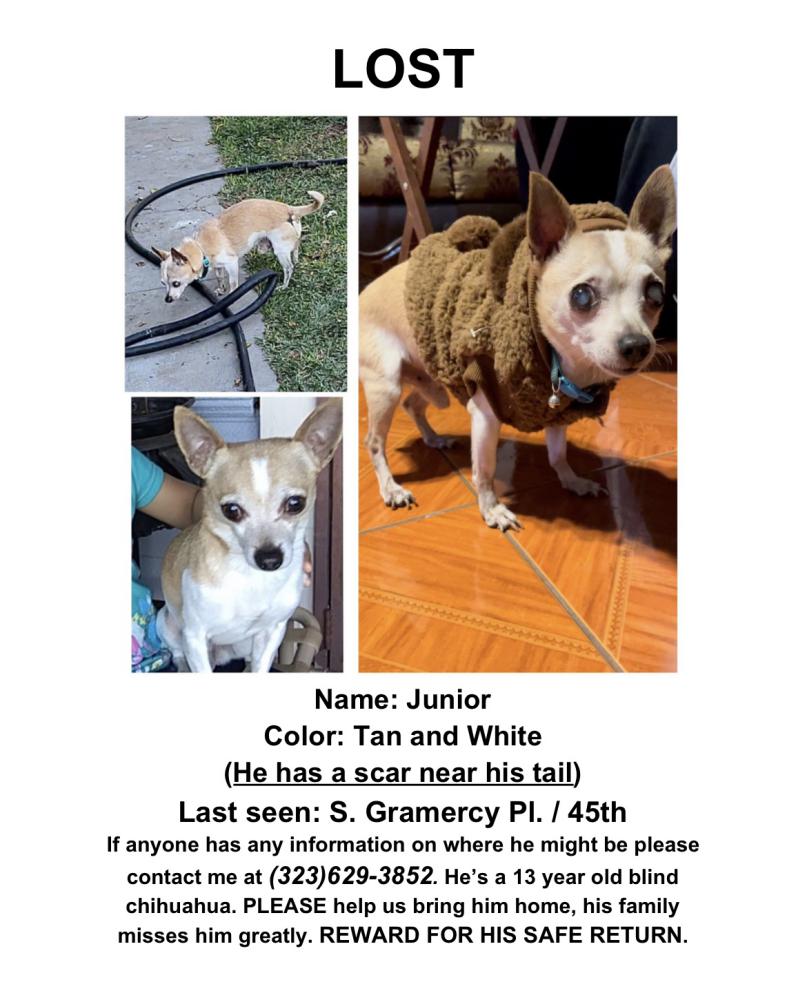
Vague recollections of when and where the dog was last seen force searchers to cast too wide a net, wasting precious time.
The Importance of Community Support
More eyes equal better coverage. A united neighborhood can:
1. Spread Awareness
Flyers, local online groups, and word of mouth multiply reach within hours.
2. Coordinate Efforts

Shared maps prevent duplicated routes, while pooled supplies—flashlights, treats, spare leashes—keep volunteers equipped.
3. Offer Emotional Support
Simple check-ins and shared stories ease the owner’s stress, sustaining energy for the search.
Strategies That Improve the Odds
Combine technology, footwork, and patience:
1. Design a Clear Poster
Use a recent photo, note distinct markings, and provide a simple way to respond—then post at intersections, parks, and vet clinics.
2. Leverage Social Networks
Post the image on neighborhood pages, pet-finding groups, and local forums; ask friends to share widely.
3. Notify Local Services
Call nearby shelters, veterinary hospitals, and animal-control offices; email them the poster so staff can watch for new arrivals.
4. Walk the Grid

At dawn and dusk, when streets are quieter, teams should cover blocks systematically, calling calmly and listening for faint barks or jingling tags.
5. Set a Safe Trap
Place a wire crate lined with a worn T-shirt and smelly food in the last known spot; check every hour to avoid trapping wildlife overnight.
Conclusion
Although the search can feel overwhelming, combining community goodwill with focused tactics turns a frantic hunt into an organized campaign. Stay persistent, keep spirits up, and remember that many Chihuahuas are safely back on the couch within days when people pull together.