



The Role and Impact of Search Dogs in Contemporary Life
Introduction
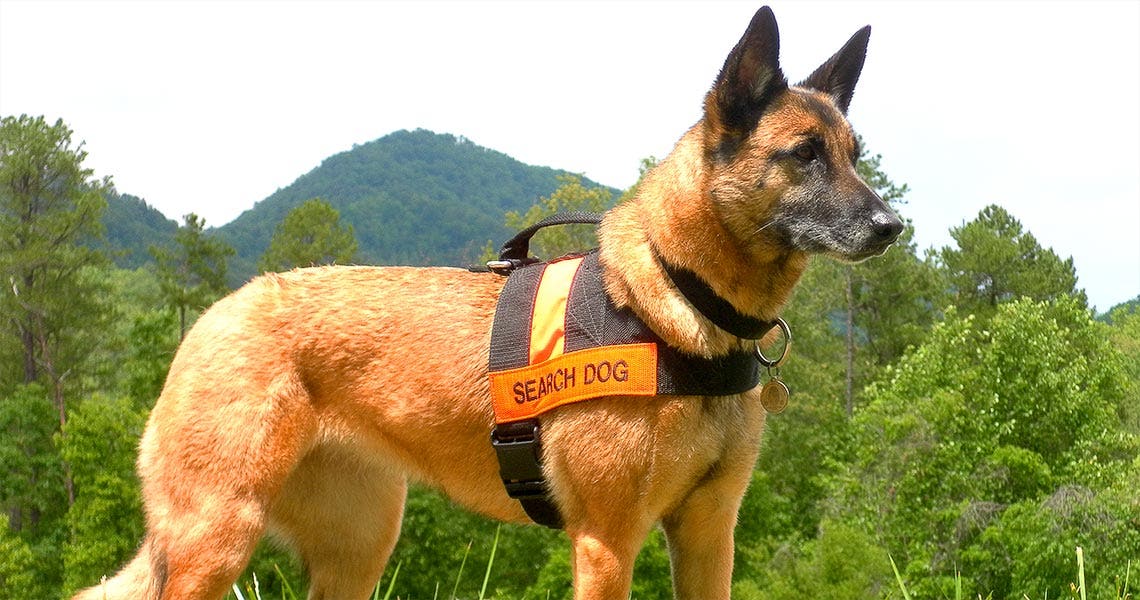
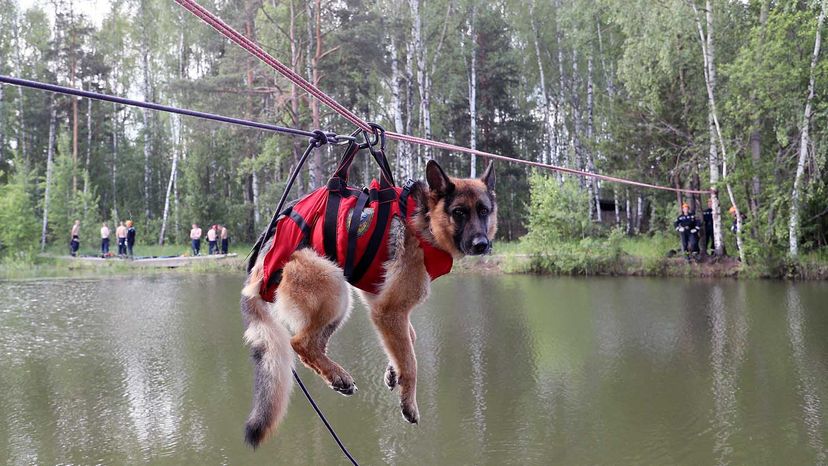
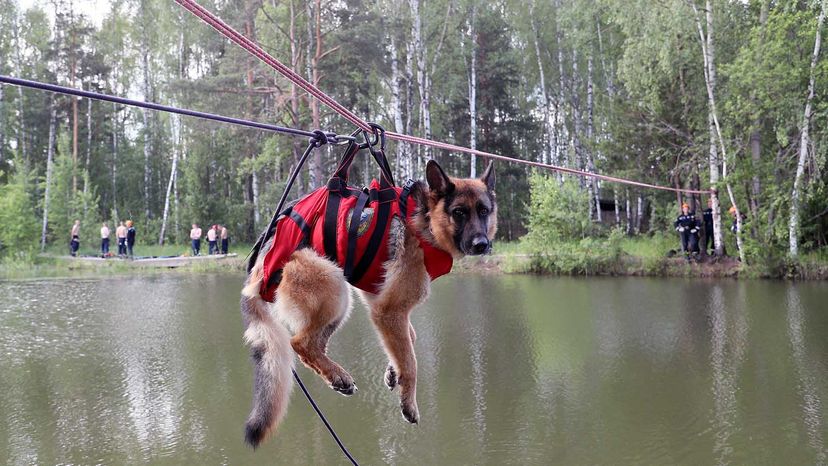
Search dogs—highly trained animals that track missing people, locate evidence, and find survivors after catastrophes—have become a dependable element of emergency and security work around the globe. This overview examines how the discipline has matured, where it is most useful, and the ethical and scientific questions that surround it.
The Evolution of Search Dogs
Early Beginnings
Accounts from many cultures mention dogs helping humans find lost travelers or hunted game. Over time, selective breeding and informal training turned these instinctive talents into more reliable skills.
Modern Techniques
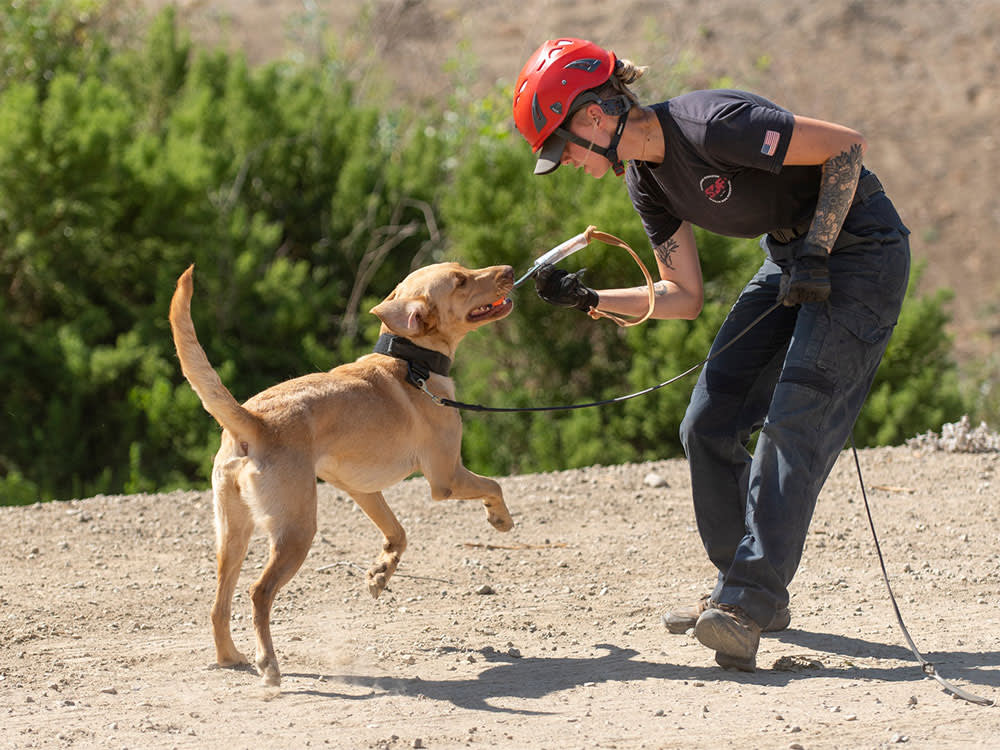
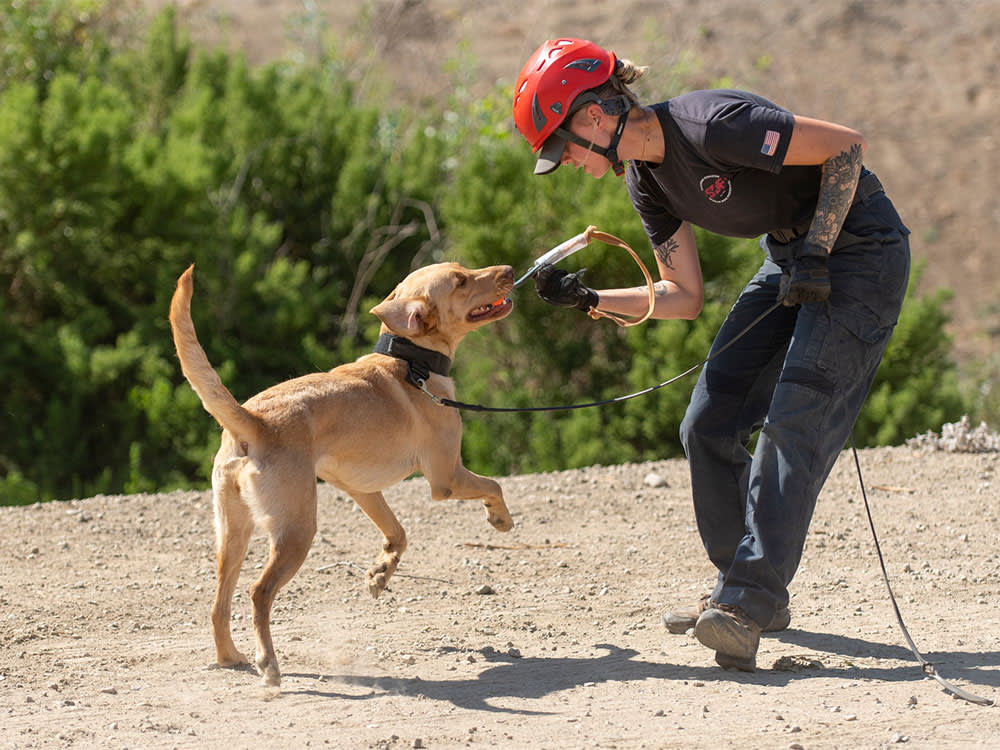
During the last hundred years, standardized courses and purpose-bred lines have sharpened speed, stamina, and focus. Today, certified canine units cooperate with rescuers on almost every continent.
The Role of Search Dogs in Emergency Response
Locating Missing Persons
Whether a child wanders from camp or an older adult becomes disoriented, dogs can pick up microscopic skin cells carried by the wind and follow the trail across woodland, scrub, or urban rubble.
Evidence Recovery
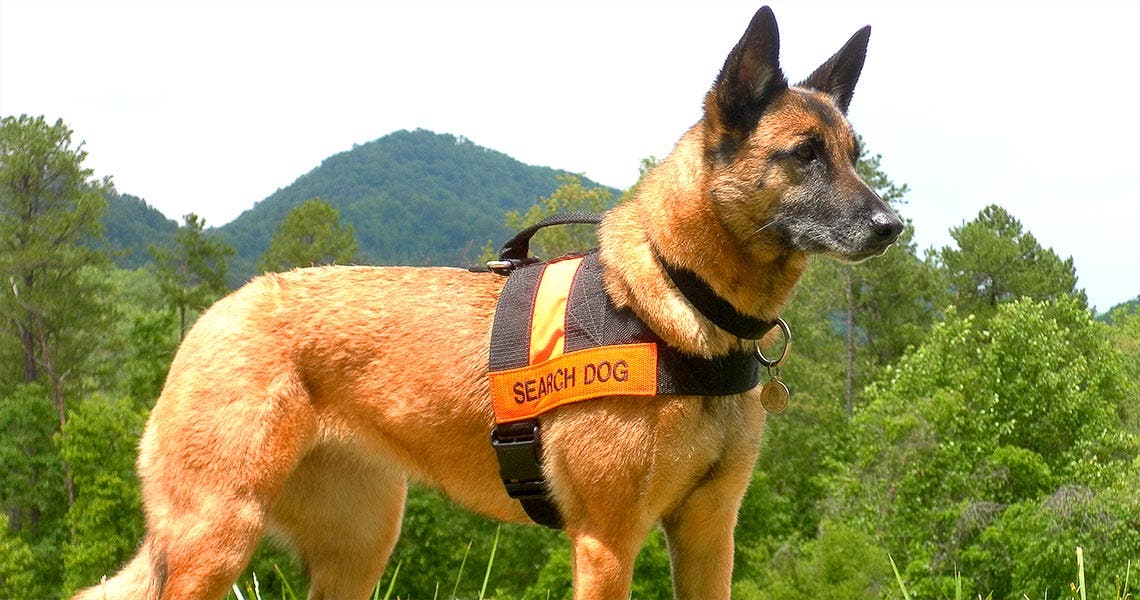
In complex scenes, a dog’s nose can direct investigators toward articles that human eyes might miss, quickening the process of reconstruction and clarification.
Disaster Response
After earthquakes, landslides, or building collapses, agile canines squeeze into voids too narrow or unstable for machinery, barking to alert teams when they sense a live person beneath the debris.
The Effectiveness of Search Dogs
Scientific Evidence
Controlled trials repeatedly show that well-trained teams cover large tracts of ground faster and with fewer false negatives than visual searches alone, often tipping the balance when every minute counts.
Real-Life Success Stories
From alpine avalanches to urban explosions, incident reviews credit search dogs with decisive finds that allowed medics to reach survivors in the critical first hours.
Ethical Considerations in Canine Search
Animal Welfare
Handlers monitor fitness, hydration, and stress signals, rotating animals regularly and ending a session the moment fatigue appears. Retirement plans and veterinary care are written into standard protocols.
Human Rights
Operations are planned to minimize intrusion on private spaces and to respect the dignity of those being sought, with liaison officers ensuring clear communication with families and communities.
Ongoing Research and Future Directions
Advanced Training Techniques
Researchers are testing scent wheels, drone-dispatched odor trails, and virtual environments to refine discrimination skills while reducing exposure to real hazards during practice.
Cross-Disciplinary Collaboration
Veterinarians, engineers, and data analysts now sit at the same table, exchanging findings on biomechanics, sensor miniaturization, and algorithmic mapping that can guide both dog and handler more safely.
Conclusion
Search dogs translate an ancient partnership into a modern, life-saving service. Continued ethical stewardship, scientific inquiry, and cooperation across professions will keep this resource responsive as threats and landscapes evolve.
Recommendations
1. Fund longitudinal studies that compare training models and measure canine endurance in varied climates.
2. Embed welfare checkpoints in every deployment guideline, ensuring physical and mental health come before operational demands.
3. Create open forums where handlers, scientists, and community leaders share lessons and innovations.
4. Educate the public on how to cooperate responsibly when search dogs are working—simple actions like staying calm and clearing paths can save lives.


