Domestic Shorthair Tortoiseshell: A Comprehensive Study
Introduction
The domestic shorthair tortoiseshell is a beloved household cat admired for its eye-catching patchwork coat of dark and warm tones. This overview explores the background, traits, daily care, and genetics behind the tortoiseshell pattern, offering practical insights for anyone interested in sharing life with one of these colorful companions.
Historical Background
Multi-colored cats have appeared in communities across the world for centuries. Random genetic combinations produced the first mottled coats, and people later encouraged these patterns through informal selection. Over time, the shorthair tortoiseshell became a familiar and cherished type in many homes.
Characteristics of the Domestic Shorthair Tortoiseshell
Physical Appearance
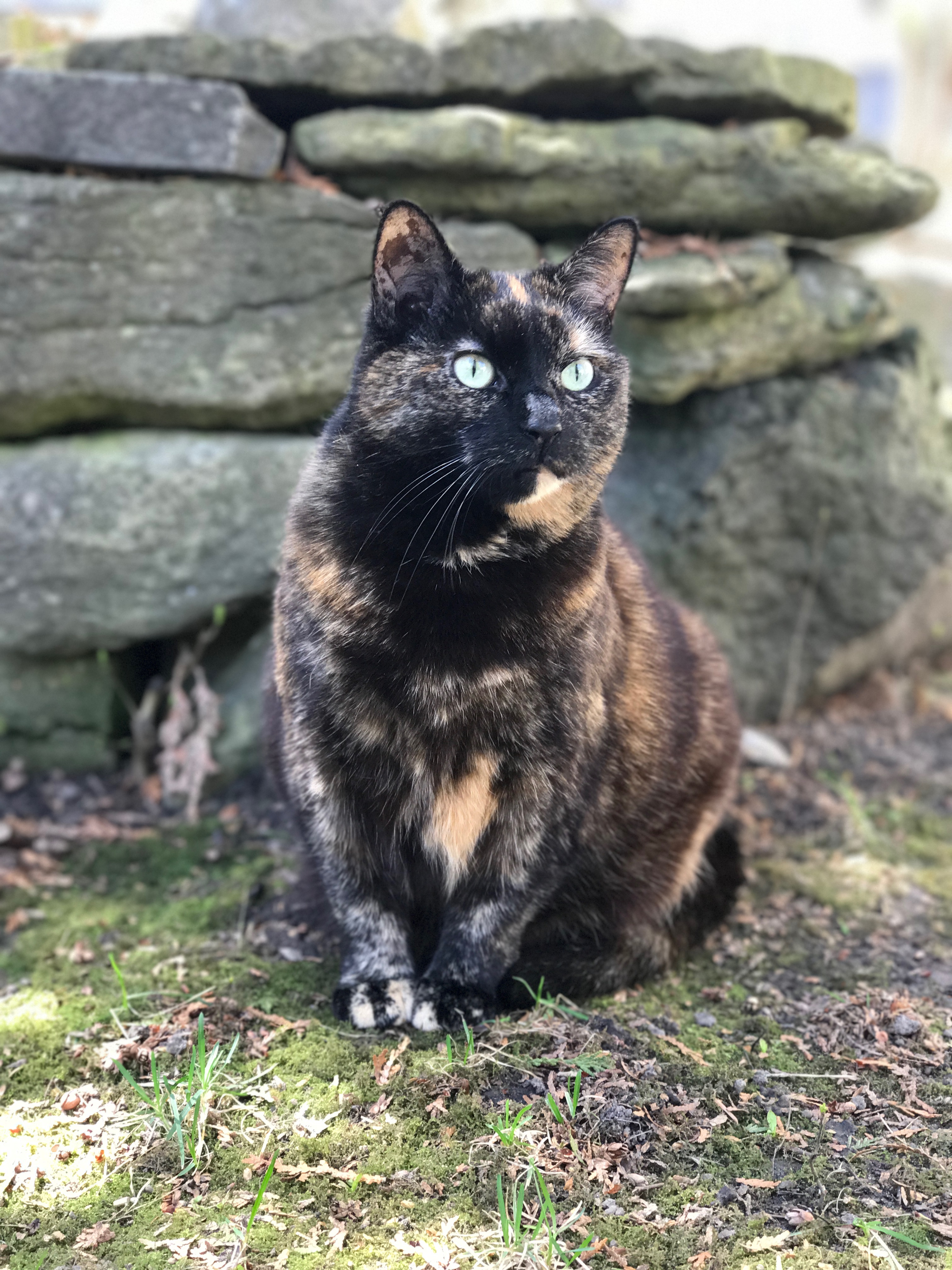
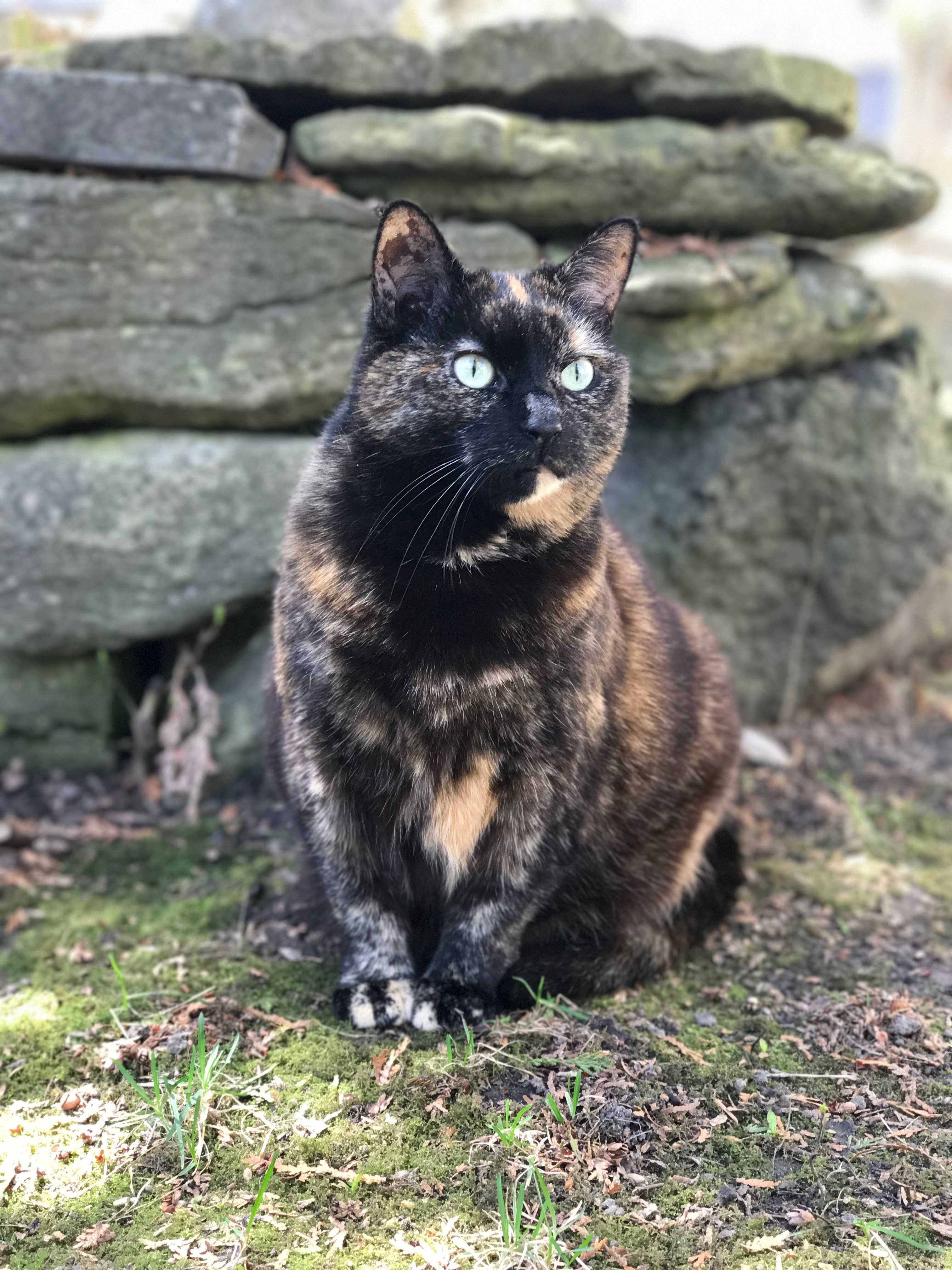
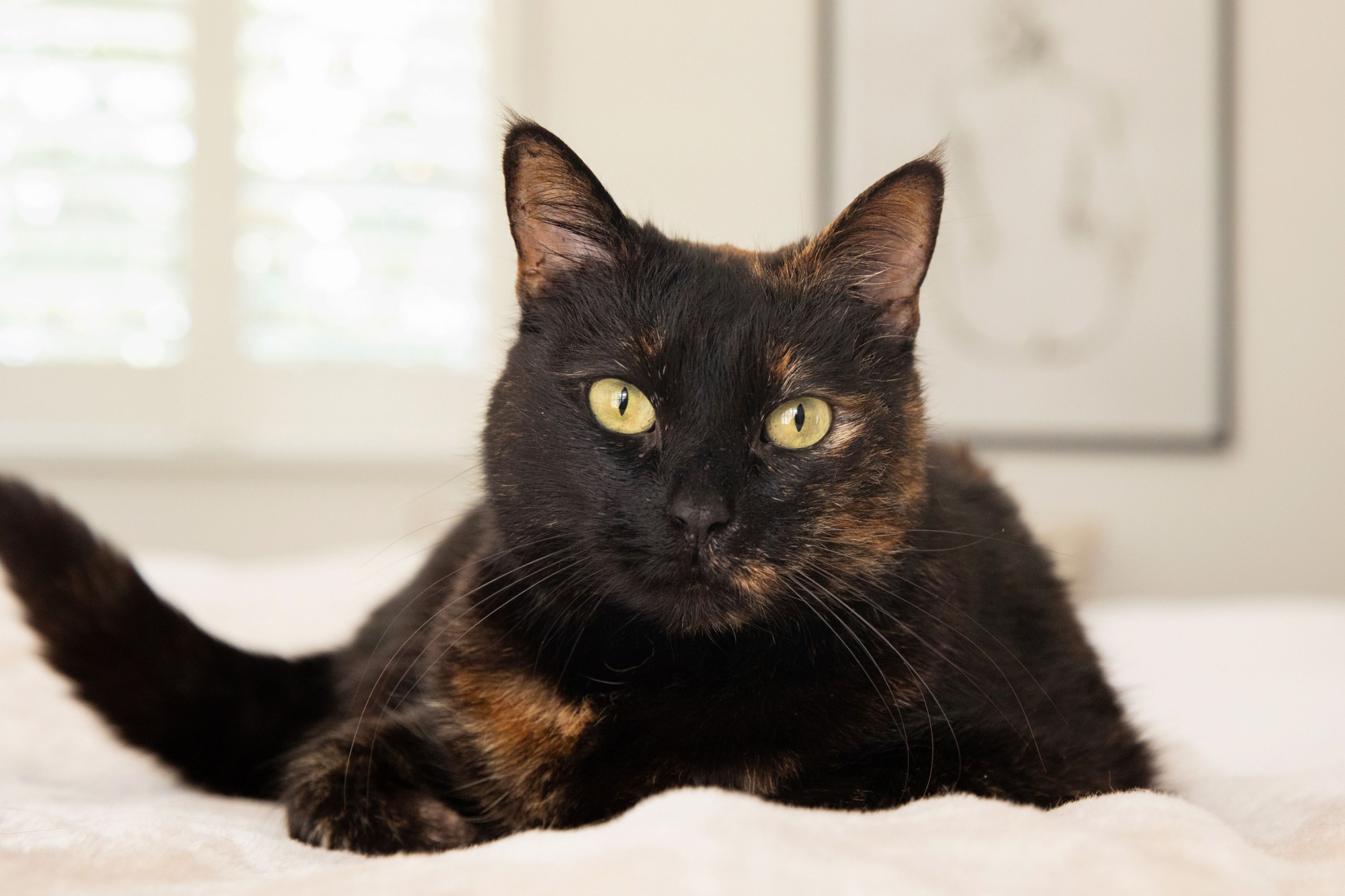
These cats display a vivid blend of dark and reddish patches, usually well mixed across the body. Individual cats may be lean and graceful or sturdy and powerful, but all share the trademark patchwork fur.
Temperament
Most tortoiseshell shorthairs are outgoing, people-oriented, and quick to investigate new sights and sounds. Their playful curiosity makes them engaging pets for singles, families, or seniors.
Health Considerations
Like any cat, they can inherit certain conditions. Routine vet visits, vaccinations, and balanced meals go a long way toward preventing or catching problems early.
Care Requirements
Feeding
Offer age-appropriate, high-quality food divided into measured meals. Fresh water should always be available, and treats kept to modest amounts to avoid unwanted weight gain.
Grooming
The short coat seldom mats, yet a quick brush once or twice a week reduces shedding and hairballs. Regular checks of ears, eyes, and teeth help spot minor issues before they escalate.
Exercise and Play
Daily interactive play sessions satisfy their need for movement and mental stimulation. Climbing trees, puzzle feeders, or safe outdoor enclosures provide healthy outlets for energy.
Genetic Factors Contributing to the Tortoiseshell Coat Pattern
Genetic Inheritance
The patchwork look stems from a gene tied to the X chromosome that influences orange pigment. Because females carry two X chromosomes, they can show both dark and orange patches, while males, with a single X, rarely display the full tortoiseshell mix.
Genetic Diversity
Natural mating across diverse populations has preserved a wide gene pool, giving rise to varied coat intensities and patterns within the tortoiseshell theme.
Conclusion
With its striking colors, sociable nature, and straightforward care needs, the domestic shorthair tortoiseshell continues to win hearts. Understanding basic genetics and routine husbandry helps guardians keep these vibrant cats healthy and content.
Revisiting the Purpose and Importance
This article set out to highlight the history, appearance, behavior, and genetics of the tortoiseshell shorthair while offering practical guidance. Clear information supports informed decisions and responsible ownership.
Recommendations and Future Research
Further studies could track hereditary health trends and explore how diverse lineages influence coat variations. Prospective adopters should weigh grooming demands, activity levels, and possible medical predispositions to decide whether a tortoiseshell shorthair suits their lifestyle.