


Gray Rabbits: A Practical Guide to Responsible Husbandry and Market Awareness
Introduction
Soft-furred gray rabbits are appreciated worldwide for their calm temperament and reliable breeding. Interest in acquiring these animals has grown steadily, whether for companionship, fiber, or ethical meat production. This overview offers general guidance on husbandry, breeding basics, and current market patterns, while always placing animal welfare first.
The Gray Rabbit: A Quick Snapshot
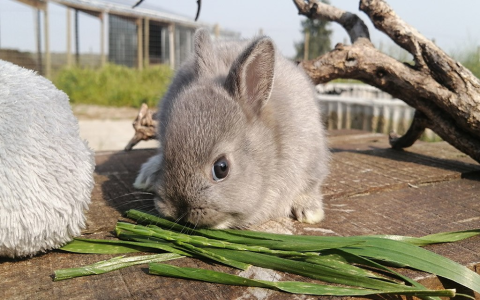
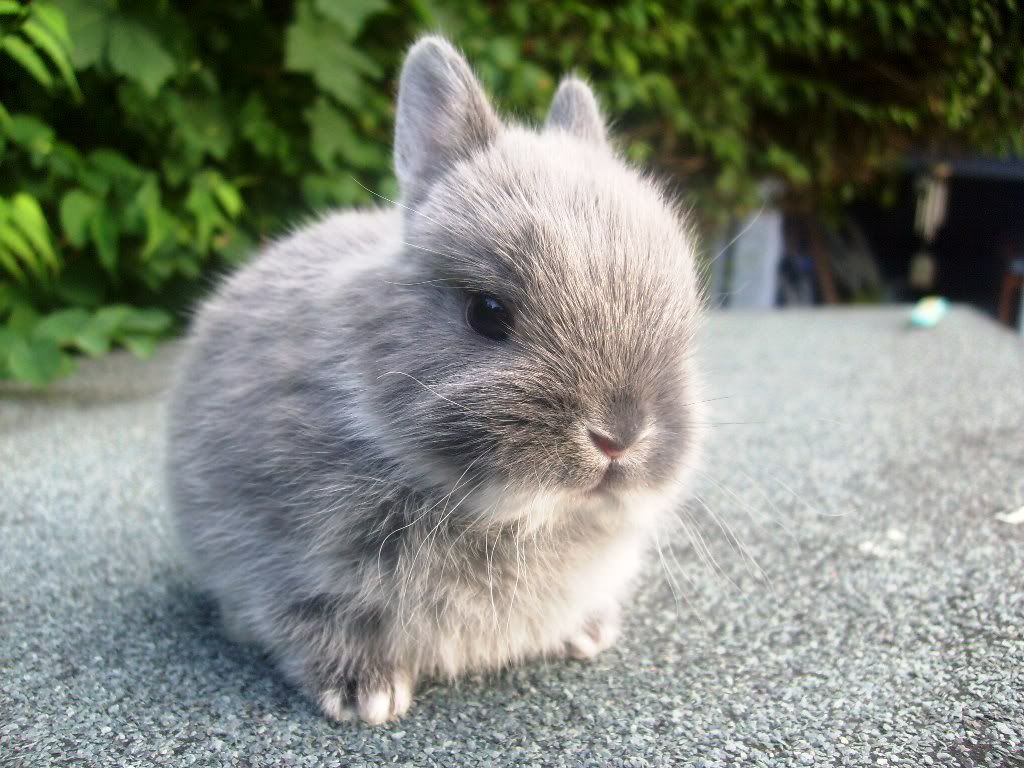
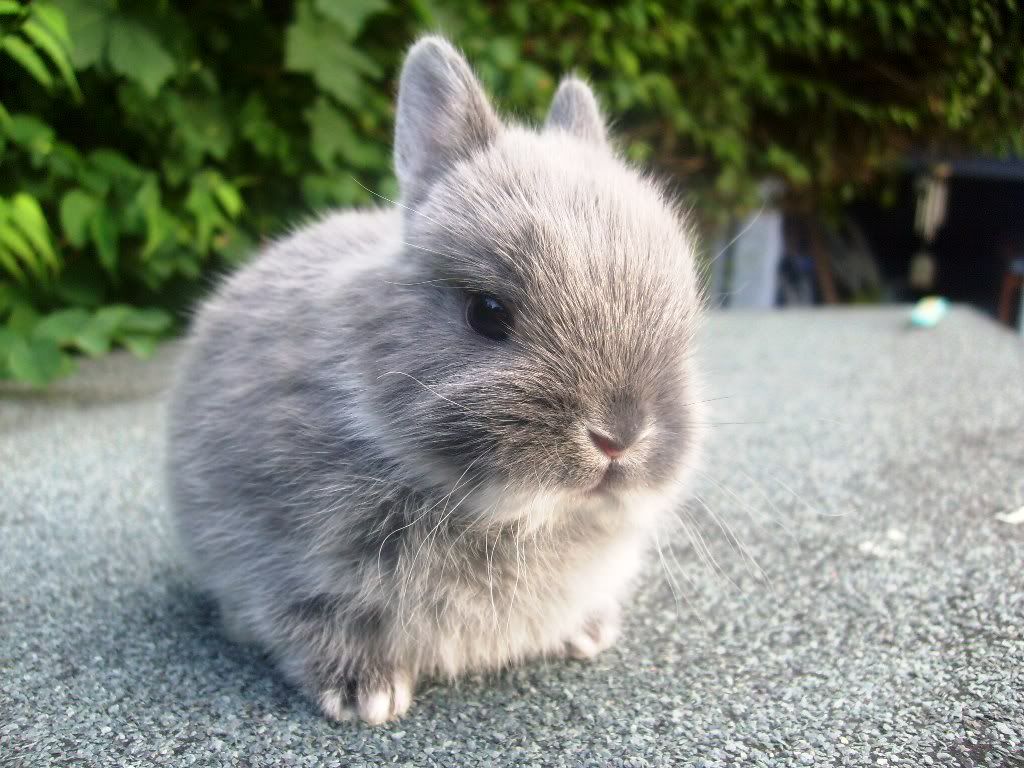
Domestic gray rabbits display coat shades from pale silver to deep charcoal. They adapt well to gentle handling and, under attentive care, can raise several litters annually. Their average gestation lasts roughly one month, making consistent monitoring important for any breeding program.
Breeding Gray Rabbits
Selecting Breeding Stock
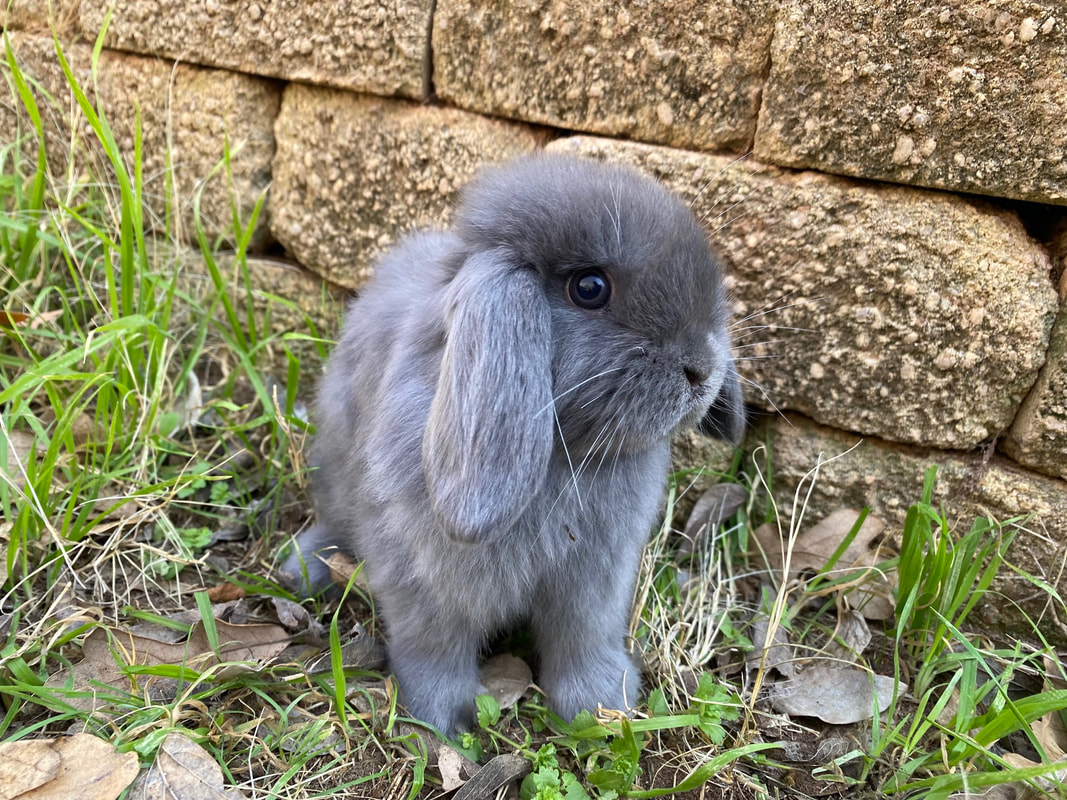
Choose alert, well-formed adults that show no signs of chronic illness. Source animals from reputable keepers who prioritize health and temperament over rapid output. Whenever possible, review the lineage to reduce inbreeding risks.
Breeding Techniques
Pair rabbits only when the doe shows clear receptivity. Introduce the pair in neutral territory, supervise the mating, then separate them to prevent stress. Record breeding dates to anticipate kindling and schedule appropriate nest-box placement.
Health and Genetic Considerations
Provide unlimited grass hay, measured portions of fresh greens, and clean water daily. Schedule annual veterinary exams, and quarantine any new or returning rabbits for at least two weeks. Cull gently from the breeding group any animals that repeatedly produce weak kits or show hereditary defects.
Caring for Gray Rabbits
Housing
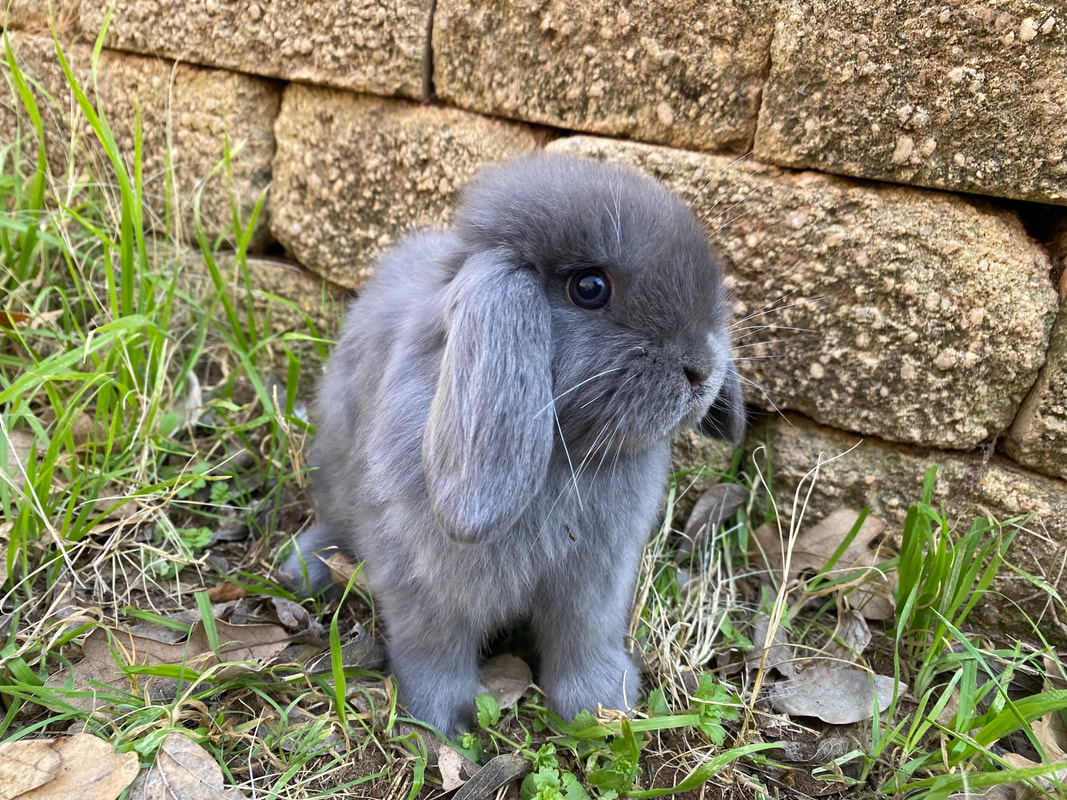
Use spacious, raised hutches or colony pens that stay dry and draft-free. Add a secluded nest box before kindling, and swap bedding frequently to reduce ammonia buildup. Always include a hiding nook and a flat wooden board to protect hocks from wire floors.
Diet
Aim for a fiber-first regimen: 70–80 % long-stem hay, 15–20 % seasonal vegetables, and a small serving of plain pellets adjusted for body condition. Treats such as herbs or carrot tops can be offered sparingly. Avoid sudden feed changes to prevent digestive upset.
Health Care

Check teeth, nails, and coat weekly. Watch for reduced appetite, labored breathing, or unusual posture—early signs that warrant prompt professional advice. Keep a basic first-aid kit stocked with gauze, styptic powder, and electrolyte solution.
Market Trends for Gray Rabbits
Demand and Supply
Steady interest comes from hobby farmers, pet homes, and artisan fiber circles. Supply fluctuates with seasonal temperatures and feed costs, so maintain moderate herd sizes to avoid overcrowding during slow periods.
Pricing and Profitability
Prices reflect regional feed expenses, veterinary costs, and the rabbit’s age and training. Transparent records of health checks and lineage often justify modest premiums. Build trust by offering post-sale guidance rather than focusing solely on top dollar.
Market Channels
Options include local agricultural fairs, online classifieds that allow livestock listings, and word-of-mouth through clubs. Whichever route you choose, screen buyers to ensure animals go to knowledgeable, committed homes.
Conclusion
Gray rabbits reward thoughtful keepers with gentle companionship, renewable fiber, or ethical meat, depending on personal goals. Success rests on balanced nutrition, preventive healthcare, and realistic market planning. By prioritizing welfare over volume, breeders contribute to a sustainable future for these versatile animals.
Recommendations and Future Outlook
To support long-term viability, consider the following steps:
1. Share husbandry notes with local clubs to standardize best practices.
2. Support small-scale studies on disease resistance and forage-based diets.
3. Adopt eco-friendly manure management, converting waste into garden compost.
Areas worth further attention include:
1. Heat-tolerant housing designs for warming climates.
2. Digital record apps that track breeding, weights, and medical history.
3. Documented benefits of rabbit-assisted activities for senior care or youth programs.
Pursuing these directions can strengthen both animal well-being and keeper satisfaction for years to come.


