


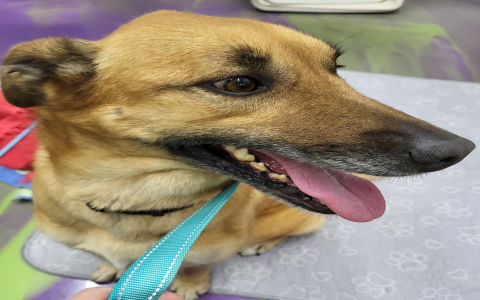
Title: Adopting Puppies in Illinois: A Practical Guide to Responsible Pet Ownership
Introduction
Bringing a puppy into your Illinois home can be joyful and fulfilling. Across the state, shelters, rescue networks, and community groups regularly welcome new litters, giving families the chance to adopt a young dog at little or no cost. Still, the decision should be guided by a clear sense of responsibility and a commitment to lifelong care. This overview offers practical advice on locating adoptable puppies, explains why adoption matters, and outlines what to expect before you bring a new pet home.
The Importance of Adoption
Choosing adoption supports a humane alternative to buying from commercial sources. Many puppies arrive in shelters after being surrendered or found stray; giving them stability improves their odds of a healthy, happy life. Adoption also eases pressure on overcrowded facilities and helps curb the cycle of unwanted litters.
National figures show that millions of dogs enter shelters annually, and only about half find homes. By adopting locally, you directly reduce that gap and offer a young animal the fresh start it deserves.
Where to Find Adoptable Puppies in Illinois
Several reliable channels can connect you with puppies in need of homes:
1. Municipal and County Shelters: City and county facilities often waive or discount fees during special events. Staff can match you with puppies whose energy level and size fit your lifestyle.

2. Non-Profit Rescue Groups: Illinois hosts dozens of rescues that focus on puppies or specific types of dogs. These organizations usually place pets in foster homes, so you receive detailed notes on temperament and health.
3. Breed Clubs and Networks: If you have your heart set on a particular breed, regional clubs sometimes rehome young dogs from owners who can no longer keep them. Expect an application and home-check process designed to ensure a good fit.
4. Online Adoption Portals: National databases let you filter by age, size, and location. Once you spot a promising profile, the site redirects you to the responsible shelter or foster caregiver to complete the adoption.
The Challenges of Adopting a Young Puppy
Free or low-fee adoptions still come with real responsibilities:
1. Medical and Behavioral Unknowns: Puppies may arrive without complete health records. Schedule an initial vet visit promptly, and ask about vaccination schedules, deworming, and any observed behavioral quirks.
2. Time Investment: House-training, socialization, and daily exercise demand consistent effort. Ensure your household has the bandwidth to supervise and guide a growing dog.
3. Legal Verification: Confirm that the puppy is officially in the rescue’s custody and that ownership paperwork is transparent. Reputable groups will provide a transfer-of-ownership contract.
Conclusion
Adopting a puppy in Illinois can enrich your life while giving an animal the home it needs. By exploring shelters, foster networks, and breed clubs—and by preparing for the practical demands of puppy care—you set the stage for a successful partnership. Approach the process patiently, ask questions, and plan for the long term; the reward is a loyal companion and the knowledge that you helped alleviate shelter overcrowding.
Continued community support for adoption events, public education, and accessible veterinary services will keep more pets out of shelters and in loving homes.
Recommendations and Future Research
To strengthen adoption outcomes across the state, consider these steps:
1. Support Local Programs: Donations, volunteer hours, and supply drives allow shelters to maintain high standards of care and offer post-adoption guidance.
2. Promote Owner Education: Short workshops on training, nutrition, and preventive health can reduce returns and keep pets in homes.

3. Encourage Community Partnerships: Businesses can host meet-and-greet events, and landlords can adopt pet-friendly policies, expanding the pool of potential adopters.
Areas worth further study include:
1. Long-Term Welfare Tracking: Follow-up surveys on adopted puppies can identify which support services most effectively prevent returns.
2. Overpopulation Solutions: Evaluate targeted spay-and-neuter campaigns and their effect on intake numbers.
3. Adoption Best Practices: Develop evidence-based guidelines that help match puppies with compatible families and streamline the transition period.


