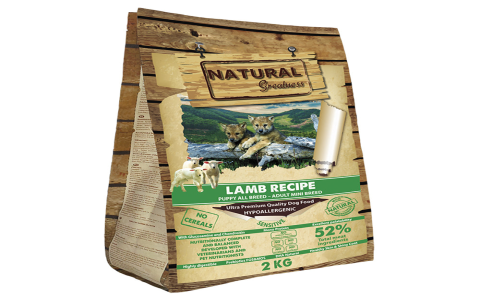
Best Puppy Food for Small Breeds: A Complete Guide
Introduction
Finding the right puppy food for small breeds is one of the first big decisions a new pet parent makes. Tiny pups burn energy quickly and need nutrient-dense meals that fuel steady growth without overwhelming their little stomachs. This guide walks you through what matters most—key nutrients, practical shopping tips, and trusted formulas that help small-breed puppies thrive.
Understanding Nutritional Needs of Small-Breed Puppies
Energy Density
Small-breed puppies have fast metabolisms and miniature tummies, so every bite must deliver concentrated calories. Look for foods labeled for “puppy” or “growth” that provide elevated calorie counts per cup to keep up with their non-stop play and rapid development.
Protein and Fat
Strong muscles and healthy tissues start with quality protein. Aim for diets that list real meat, poultry, or fish among the first ingredients. Moderate fat levels supply essential fatty acids and improve palatability, encouraging eager eaters to finish meals.
Calcium and Phosphorus
Delicate bones need the right mineral balance. Excess calcium can harm developing joints, while too little weakens skeletons. Reputable small-breed puppy foods maintain a controlled calcium-to-phosphorus ratio, usually near 1.2:1, to support sound structure.
Vitamins and Minerals
Immune strength, shiny coats, and sharp vision depend on micronutrients. Vitamin E, selenium, and DHA omega-3 are especially valuable during the early months. Choose formulas fortified with a complete spectrum of vitamins and chelated minerals for better absorption.
Key Shopping Considerations
Life-Stage Appropriateness
Always pick a food specifically designed for puppies. Growth diets offer extra protein, calories, and DHA that adult formulas lack, ensuring balanced development from weaning to adulthood.
Kibble Size and Calorie Count
Small mouths need petite kibble that’s easy to crunch and swallow. Check feeding charts for daily calorie recommendations matched to expected adult weight to prevent over- or under-feeding.
Ingredient Sensitivities
Some pups react to common proteins or grains. If you notice itchy skin or loose stools, consider limited-ingredient or grain-inclusive options under veterinary guidance to isolate the culprit.
Brand Transparency
Prefer companies that publish complete nutrient profiles, conduct feeding trials, and employ veterinary nutritionists. Independent reviews and label clarity are good signs of reliability.
Benefits of Balanced Nutrition
Steady Growth
Consistent portions of complete puppy food promote proportional bone growth, helping avoid stress on developing joints and reducing future orthopedic risks.
Digestive Comfort
Highly digestible proteins, prebiotic fibers, and probiotics support firm stools and reduce tummy upsets, making house-training easier for everyone.
Brain & Vision Support
DHA and ARA omega-fatty acids nourish neural pathways, aiding trainability and visual acuity during the critical socialization window.
Lifelong Wellness
Early balanced nutrition sets the stage for healthy weight, strong immunity, and vibrant energy that can extend quality years alongside your family.
Recommended Formulas for Small-Breed Puppies
Specialized Mini Puppy Recipe
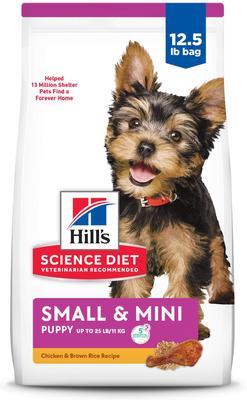
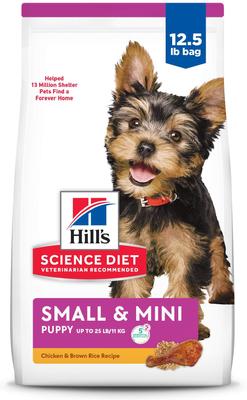
This veterinarian-endorsed line offers calorie-dense kibble shaped for tiny jaws. Added antioxidants and balanced minerals target immune and skeletal health.
Science-Based Small Bites
A research-backed option featuring natural ingredients, DHA from fish oil, and a blend of vitamins E and C for cognitive and immune support.
High-Energy Small-Breed Puppy Blend
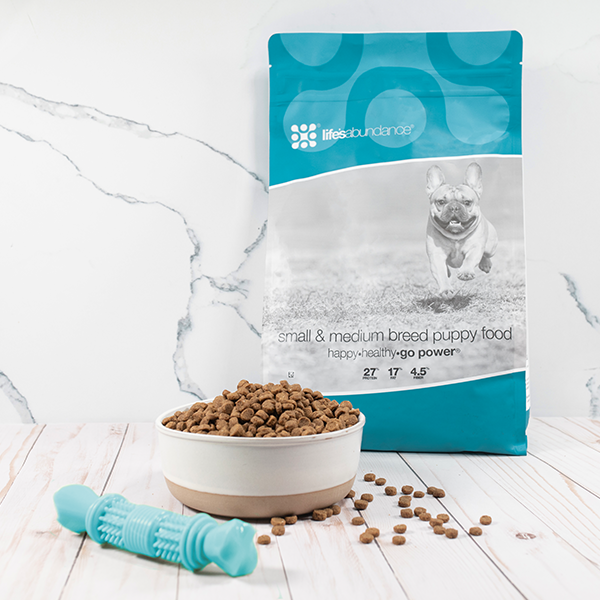
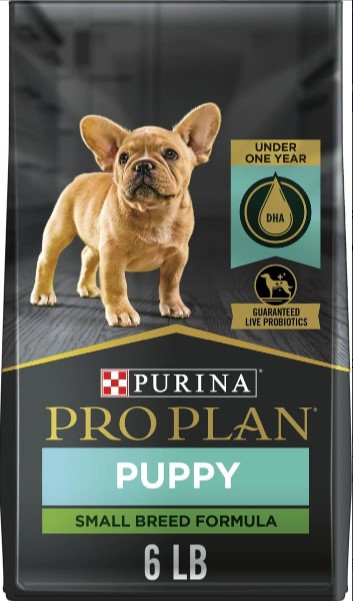
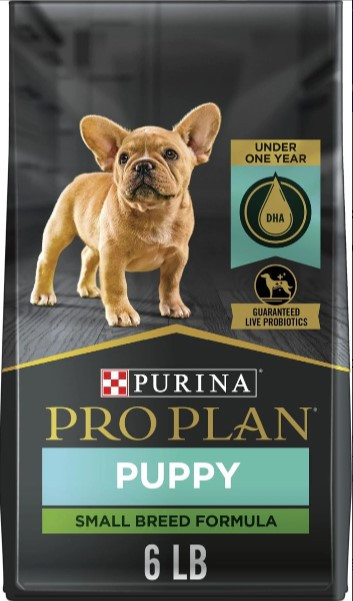
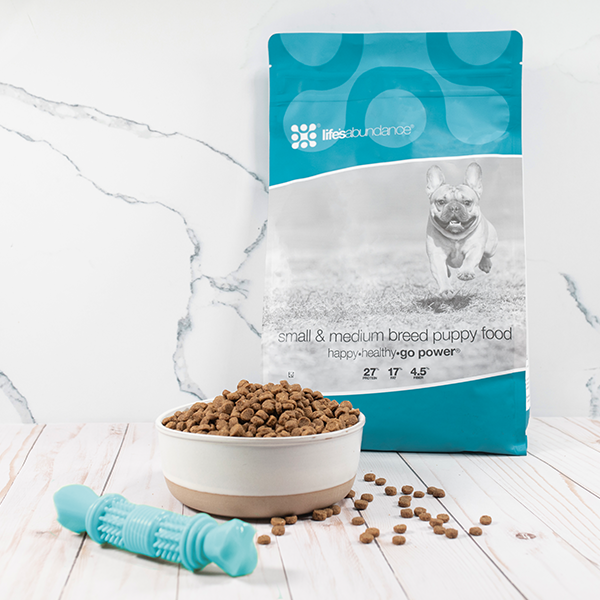
Designed for active pups, this formula combines lean protein, wholesome grains, and live probiotics for digestive resilience and sustained energy.
Natural Life Protection Small-Breed Puppy
Free from artificial additives, this recipe starts with real meat and includes LifeSource Bits—cold-formed nuggets rich in vitamins, minerals, and omega-3s.
Conclusion
Selecting the best food for your small-breed puppy comes down to matching nutrient density with ingredient quality and your individual dog’s needs. Offer measured meals, monitor body condition, and partner with your veterinarian to adjust portions as your pup grows. With the right diet, your little companion will be well-equipped for a lifetime of tail wags and adventures.