The Importance of Dog Compatibility: A Comprehensive Analysis
Introduction
Finding the right fit between a dog and its future family is one of the most overlooked yet decisive parts of pet ownership. When personalities, energy levels, and daily rhythms line up, both ends of the leash thrive. This overview looks at what “compatibility” really means, why it matters, and how to move toward it without guesswork.
Understanding Dog Compatibility
Definition
Compatibility is the smooth overlap of needs, habits, and communication styles shared by a dog and the people it lives with. It shows up as relaxed body language on the dog’s side and calm confidence on the human’s, with both parties seeking each other’s company instead of merely tolerating it.
Significance
A good match pays daily dividends:
– Emotional balance: a steady canine presence can soften rough days and lift overall mood.
– Social ease: walks, parks, and training classes create low-pressure chances to meet neighbors and other owners.
<p.- Active lifestyle: regular outings keep muscles moving for both species.
– Deep bond: mutual trust grows when routines feel natural rather than forced.
Factors Influencing Dog Compatibility
Personality
Some people recharge by hiking for miles; others prefer quiet evenings on the couch. Dogs fall on the same spectrum. Pairing an adventurous spirit with a trail-loving pup—or a quiet homebody with a mellow companion—prevents friction before it starts.
Temperament
Inborn traits such as assertiveness, noise sensitivity, or impulse control shape how a dog reacts to strangers, children, or sudden sounds. Honest evaluation of these built-in tendencies helps avoid clashes with a household’s pace and expectations.
Lifestyle
Work hours, travel frequency, and family commitments decide how much time is truly available for exercise, grooming, and play. A dog whose needs exceed that available time will invent its own entertainment—often at the sofa’s expense.
Breed
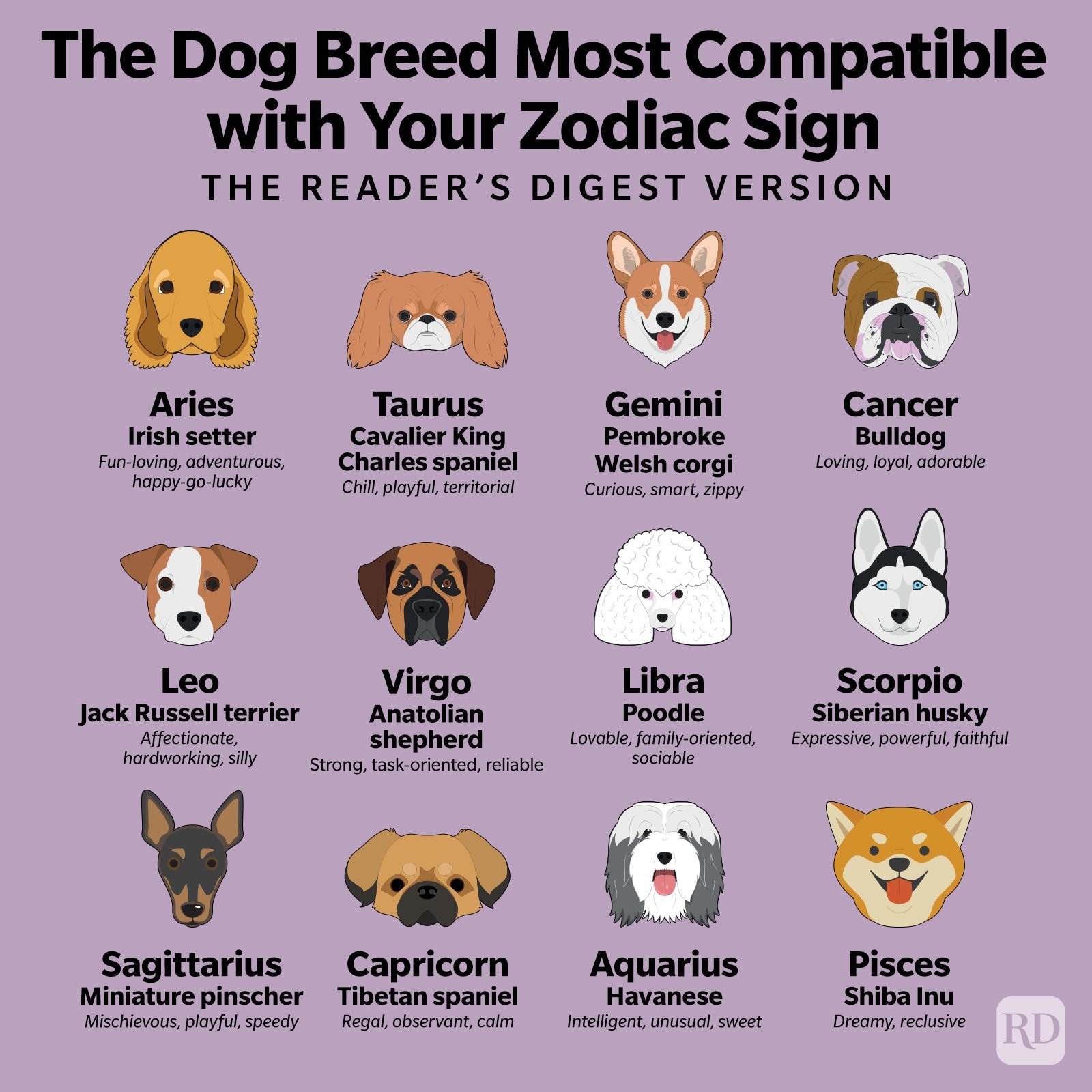
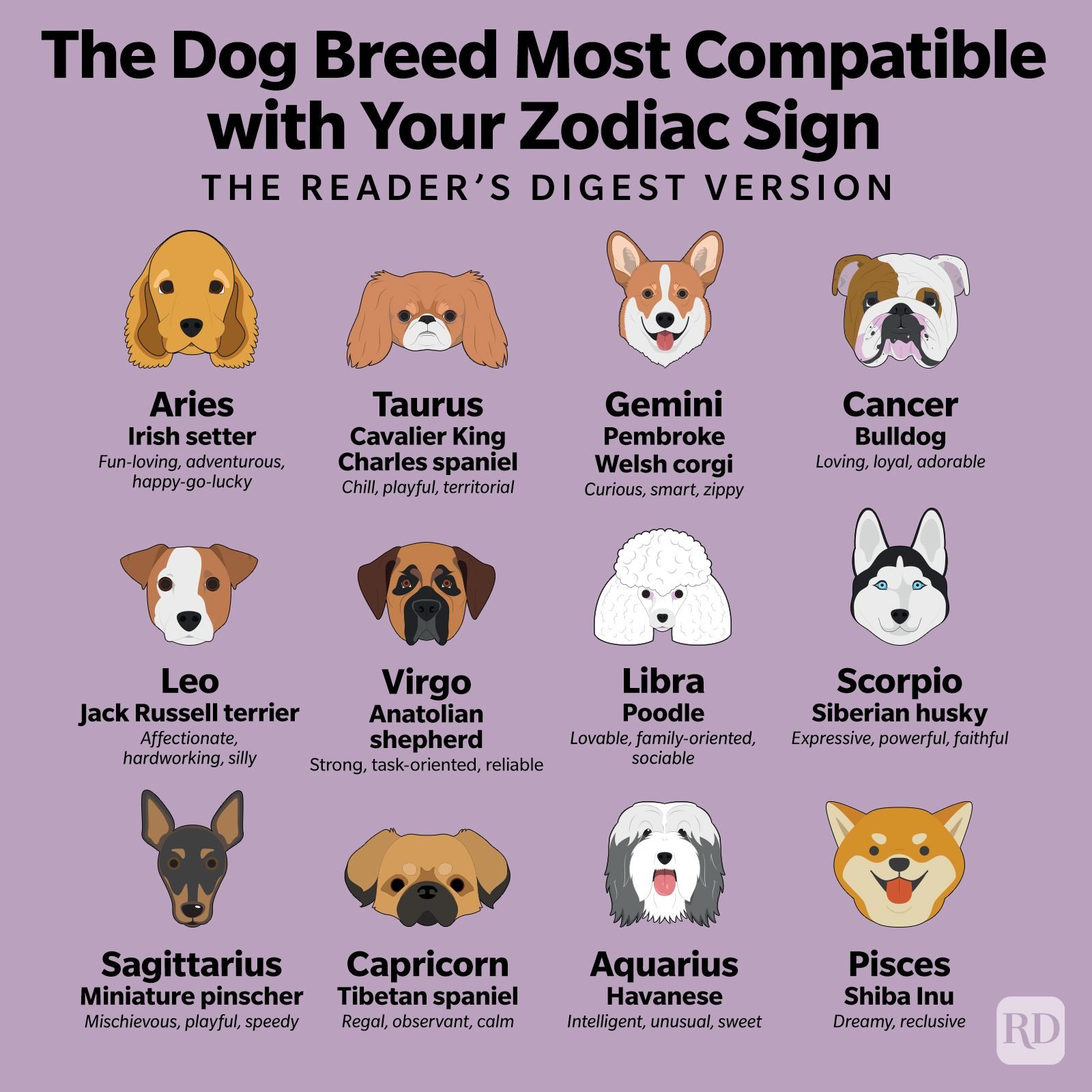
While every dog is an individual, centuries of selective breeding have tilted certain lines toward specific sizes, drives, and coat types. Knowing these broad tendencies gives a helpful starting point, yet the final answer always lies with the unique dog in front of you.
Achieving Dog Compatibility
Research and Preparation
Spend time with adult dogs of the type you are considering; ask shelters or foster networks about energy levels, quirks, and history. Map your weekly schedule honestly, then look for the overlap rather than hoping the dog will “adapt later.”
Training and Socialization
Clear guidance turns potential chaos into cooperative habits. Short, upbeat sessions teach everything from loose-leash walking to calm greetings, while gradual exposure to new sights and sounds builds confidence and reduces future stress.
Communication and Understanding
Learn to read ear flicks, tail carriage, and subtle weight shifts; respond early instead of reacting late. Likewise, use consistent cues and reward choices you like. When both sides understand the conversation, compromise becomes a shared habit rather than a last resort.
Conclusion
Compatibility is less about finding the “perfect” dog and more about honest matching followed by steady teamwork. By weighing personality, temperament, lifestyle, and breed traits—then backing that choice with patient training and clear dialogue—families set the stage for years of mutual trust. Prioritize fit up front, and the reward is a relaxed, resilient bond that makes daily life better for everyone involved.