
The Importance of Rehoming Dogs: A Comprehensive Overview
Introduction
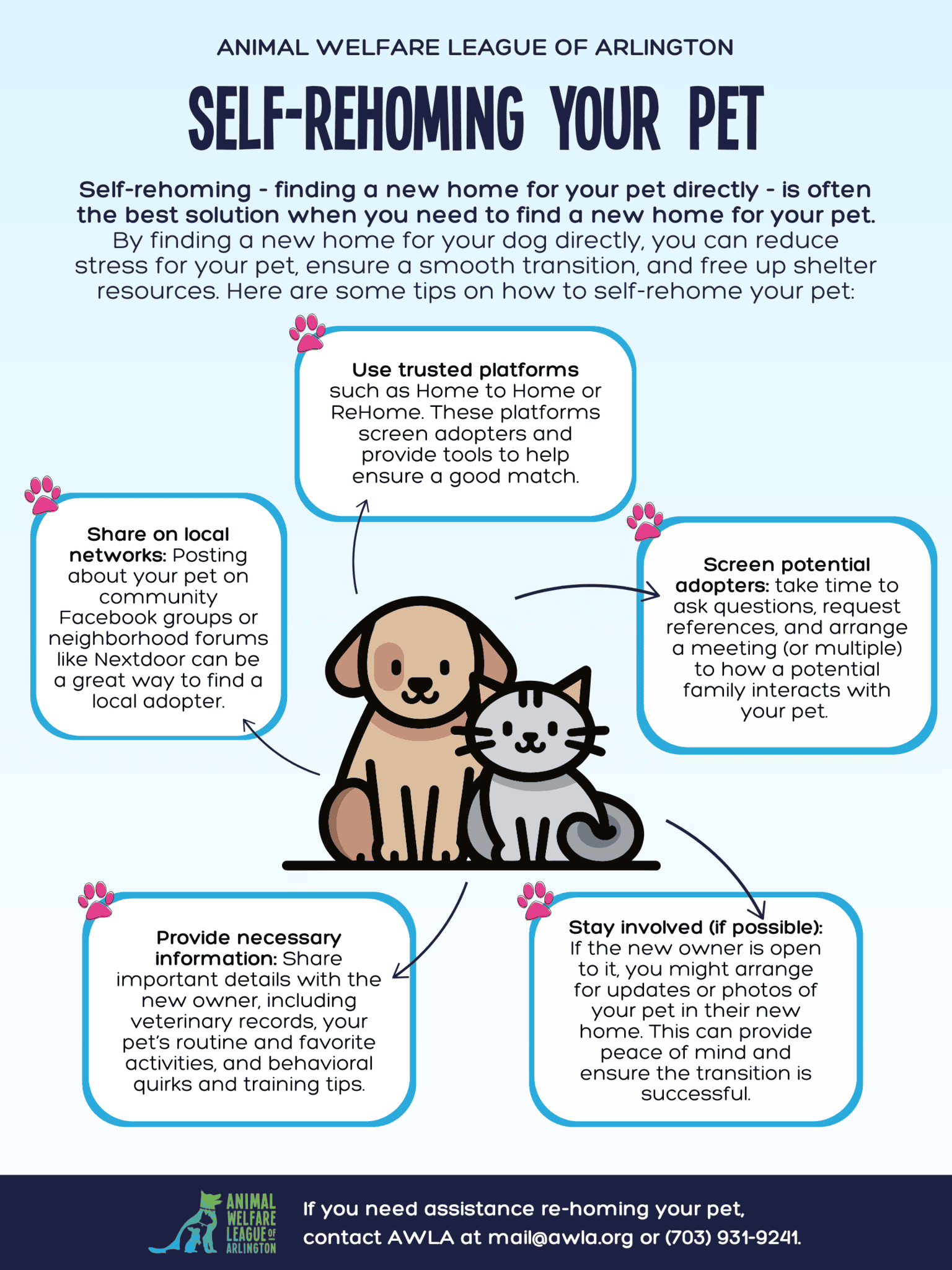
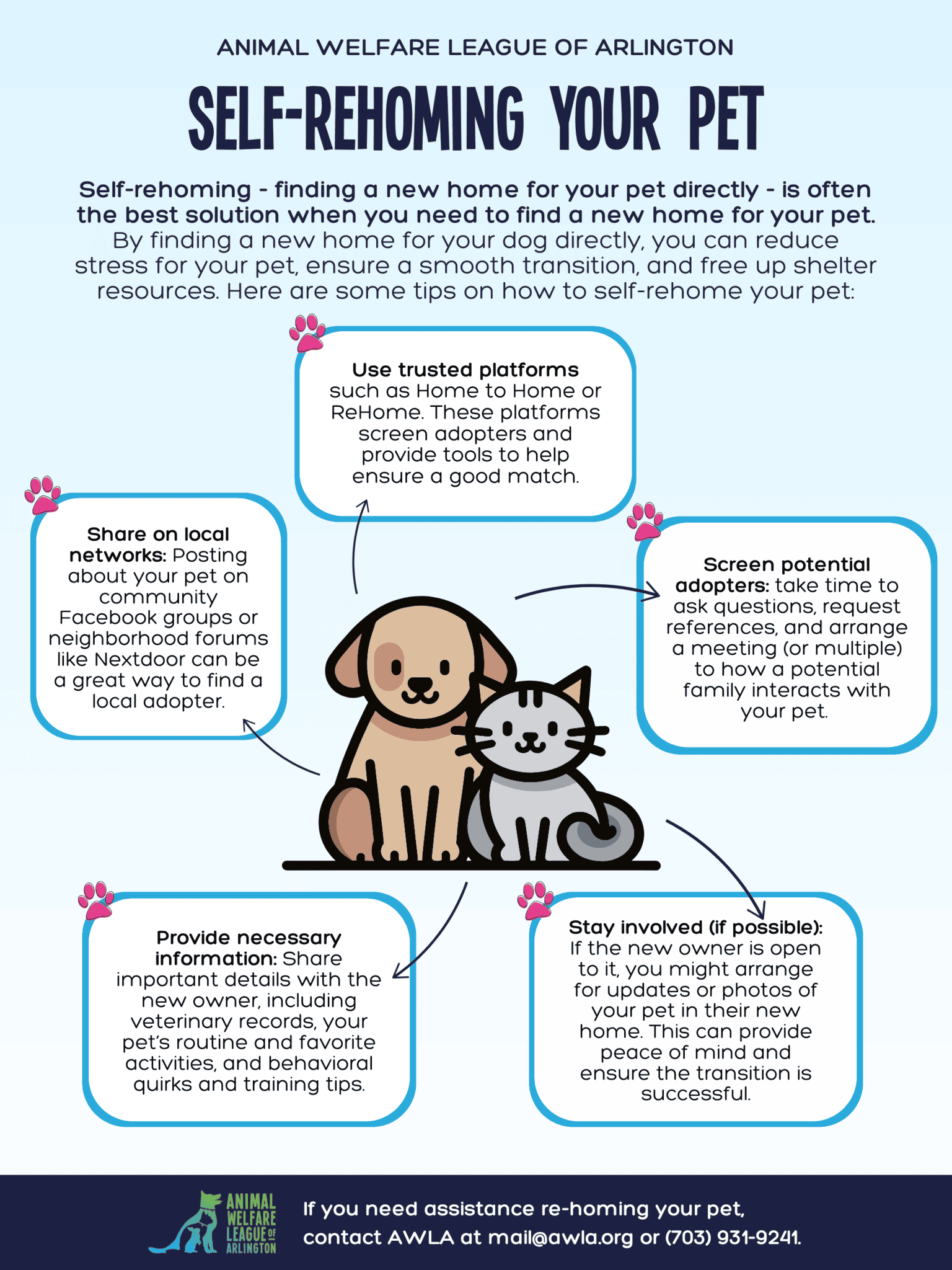
Rehoming dogs has become an urgent priority in communities across the globe. Countless animals arrive at shelters every year, and securing safe, lasting homes for them is essential to their welfare. This article examines why rehoming matters, the obstacles involved, and practical steps that can improve outcomes for dogs and adopters alike.
The Significance of Rehoming Dogs
1.1 Easing Shelter Pressure
Rehoming directly reduces the steady influx of dogs into already crowded facilities. When more families choose adoption, fewer animals face long waits or uncertain futures, allowing shelters to dedicate limited space and care to new arrivals.
1.2 Enhancing Canine Well-being
A move from kennel to home gives dogs consistent meals, medical attention, and affection. Stable surroundings lower stress, encourage healthy behavior, and give each animal the chance to become a content, balanced companion.
1.3 Encouraging Responsible Guardianship
Adopting from a rescue reminds future owners that pets are a long-term commitment. The process typically involves counseling on exercise, training, and veterinary needs, which helps prevent future abandonment and builds a culture of thoughtful care.
Challenges in Rehoming Dogs
2.1 Matching Personalities
Every dog has a unique history. Some need extra patience because of shyness or energy levels, while others may require ongoing medical supervision. Identifying adopters who welcome these traits demands time, skilled assessment, and follow-up support.
2.2 Limited Resources
Food, vaccinations, spay or neuter surgery, and daily staffing costs add up quickly. When budgets are tight, shelters may struggle to provide enrichment or specialized behavior programs that make dogs more adoptable.
2.3 Persistent Myths
Outdated ideas—that shelter dogs are inevitably damaged or difficult—still circulate. Such misconceptions can steer prospective owners toward other sources, leaving deserving animals overlooked.
Solutions for Rehoming Dogs
3.1 Strengthened Adoption Services
Investing in staff and volunteer training improves how dogs are profiled and introduced to the public. Clear write-ups, meet-and-greet areas, and post-adoption helplines raise the likelihood of a successful match.
3.2 Community Partnerships
Local businesses can host sponsorship drives, groomers can offer discounted services, and dog-training clubs can provide beginner classes. These collaborations expand the safety net for dogs without overextending shelter finances.
3.3 Ongoing Education
Workshops, school visits, and social media campaigns that highlight adoption success stories counter negative stereotypes and show that rescued dogs thrive in a wide range of households.
Conclusion
Rehoming is a powerful, compassionate response to canine homelessness. By easing shelter pressure, enriching the lives of individual dogs, and fostering responsible ownership, adoption benefits entire communities. Continued refinement of adoption practices, broader community engagement, and clear public education will ensure more dogs find the loving homes they deserve.
Recommendations and Future Research
To keep improving rehoming efforts, the following actions are suggested:
1. Create simple, consistent tools for assessing behavior and medical needs, helping staff match dogs with compatible families.
2. Diversify funding through grants, corporate sponsorships, and grassroots events so shelters can maintain high standards of care.
3. Share data across organizations to identify which adoption support methods—follow-up calls, training vouchers, or trial nights—produce the most lasting bonds.
Future studies could track adopted dogs’ health and behavior over several years, measure adopter satisfaction, and evaluate how virtual meet-and-greet platforms influence adoption success. Continued innovation and cooperation will move the rehoming movement forward.