Title: Adopting a Bichon Frise: A Friendly Guide to Welcoming Your New Best Friend
Introduction
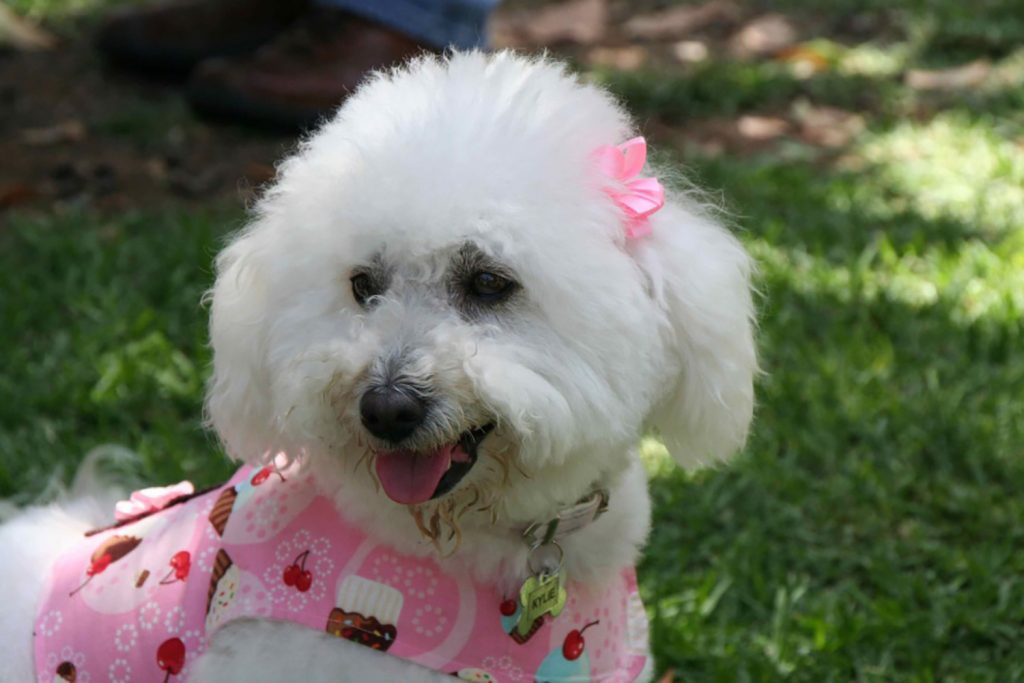
The Bichon Frise is a cheerful little dog loved for its cotton-ball coat, sunny disposition, and portable size. Because they shed minimally and thrive on human company, the breed appeals to many households. Still, some future owners wonder whether their lifestyle, budget, or housing rules might clash with the needs of this lively companion. This overview walks you through the joys and practical steps of adopting a Bichon Frise so you can decide if this fluffy charmer is the right match for your home.
Why Adopt a Bichon Frise?
Choosing adoption gives a homeless dog a fresh start while freeing shelter space for the next animal in need. Adoption fees are usually lower than breeder prices and typically include sterilization, initial vaccines, and a microchip, making the upfront cost predictable. More importantly, you gain a grateful sidekick who often bonds quickly with its new family. By adopting, you also support community efforts that promote responsible pet ownership and reduce stray populations.
The Adoption Process
While every group sets its own rules, most adoptions follow a similar path:
1. Research: Look online for nearby shelters, all-breed rescues, or Bichon-focused organizations. Read profiles, attend meet-and-greet events, and note each dog’s age, energy level, and known history.
2. Visit: Schedule a calm, in-person session with any dog that catches your eye. Watch how it reacts to strangers, children, or other pets to gauge compatibility.

3. Application: Complete a form covering your daily routine, previous pet experience, and housing setup. Staff may request photos of your living space or contact a reference.
4. Interview: A volunteer or counselor might chat with you to clarify expectations and match you with the best fit.
5. Fee: Once approved, pay the set fee that offsets medical prep and kennel care.
6. Homecoming: Sign the paperwork, collect medical records, and head home with your new pal—often the same day.
The Responsibilities of Owning a Bichon Frise
Sharing life with a Bichon means committing to:
1. Training: Short, upbeat lessons work wonders. Reward good manners early to prevent small-dog syndrome.

2. Grooming: Brush several times a week to avoid mats, and book professional trims every six to eight weeks.
3. Exercise: Two brisk walks plus indoor play keep mind and body balanced. Puzzle toys help burn mental energy on rainy days.
4. Nutrition: Measure meals and limit treats; the breed can gain weight quickly. Ask your vet about age-appropriate kibble or wet food.
5. Health Care: Schedule yearly check-ups, keep vaccines current, and stay alert for breed-linked issues such as dental disease or allergies.
Conclusion
Opening your door to a rescued Bichon Frise offers the double reward of saving a life and gaining a loyal, entertaining roommate. The adoption journey asks for patience, but the payoff—tail wags, couch cuddles, and neighborhood smiles—lasts for years. Prepare for grooming bills, daily walks, and plenty of charm, and you’ll find this little cloud of fur brightens every corner of your life.
In short, a Bichon Frise waiting in a shelter could be the perfect addition to a home ready for laughter, love, and regular hair-brushing sessions.
Future Research Directions
Continued study could improve life for adopted Bichons and their families:
1. Early socialization: Tracking how puppy classes or foster outings shape adult confidence may help shelters tailor programs that reduce later anxiety.
2. Long-term health: Comparing vet records of adopted versus purchased Bichons can reveal whether shelter care leads to similar—or even better—lifelong wellness.
3. Training styles: Testing positive-reinforcement techniques against mixed methods could guide owners toward faster house-training and lovelier leash manners.
Answers to these questions will refine adoption practices and ensure more Bichons land in homes that last forever.