How to Teach Your Dog to Shake: A Friendly Guide
Teaching your dog to offer a paw is an enjoyable activity and a handy cue that can help in everyday situations. It is a simple behavior that improves the way you and your companion understand each other. In this guide, we will look at why the trick matters, how to train it step by step, and the rewards it brings to both ends of the leash.
The Value of the Paw Shake
Adding a paw cue to your routine strengthens teamwork and sets the stage for more advanced skills. Below are a few reasons trainers recommend it:
Clear Signals
A consistent word or gesture gives your dog a clear prompt, making it easier to guide them when you need quick cooperation.
Shared Moments
Short, upbeat sessions create positive memories for you and your pet, deepening trust and encouraging willingness to try new things.
Gateway Trick
Once your dog understands how to lift a paw on cue, you can build toward waving, high-fiving, or other cute variations.
Step-by-Step Training Plan
Keep sessions brief and cheerful. A few minutes at a time is plenty for most dogs.
Pick a Cue
Choose one word such as “shake,” “paw,” or “touch,” and stick with it so the meaning stays clear.
Set the Scene
Work in a calm place free of loud noises or passing distractions so your dog can focus on you.
Get Ready
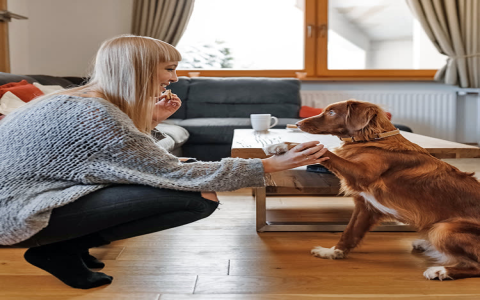
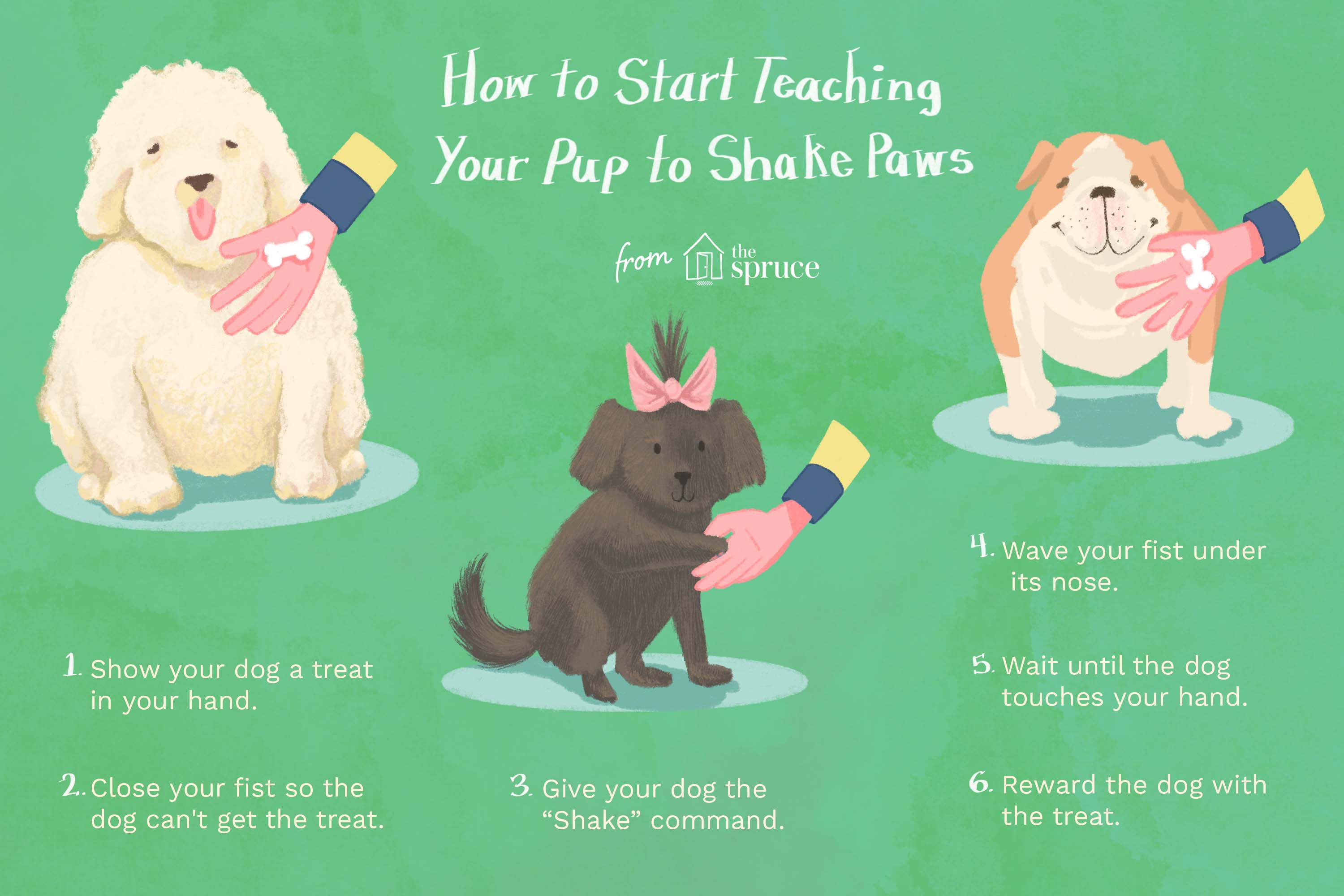
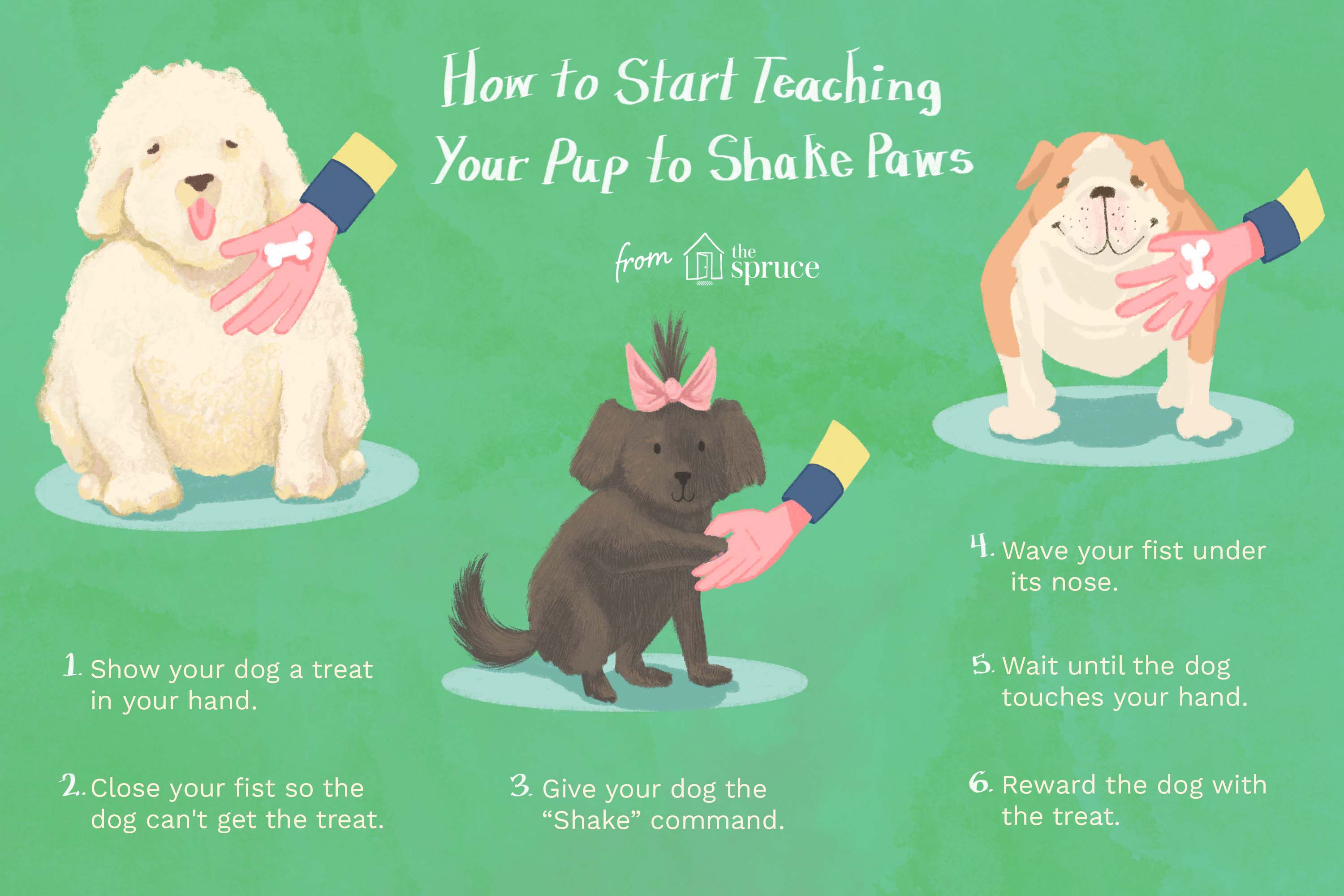
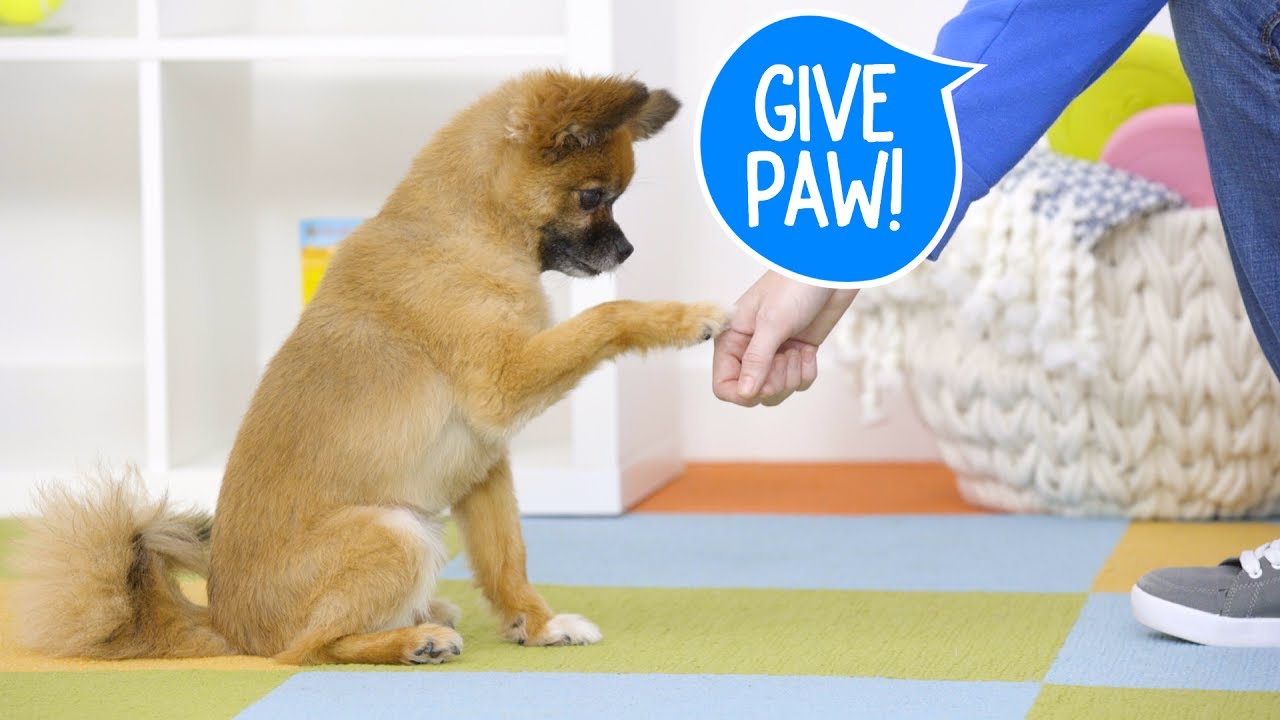
Kneel or sit in front of your dog. Hold a small treat in your closed fist just below the dog’s elbow level.
Mark the Moment
Say your cue. Most dogs will sniff or nudge the fist; wait quietly until a paw lifts. The instant one foot leaves the floor, open your hand, deliver the treat, and offer happy praise.
Shape and Repeat
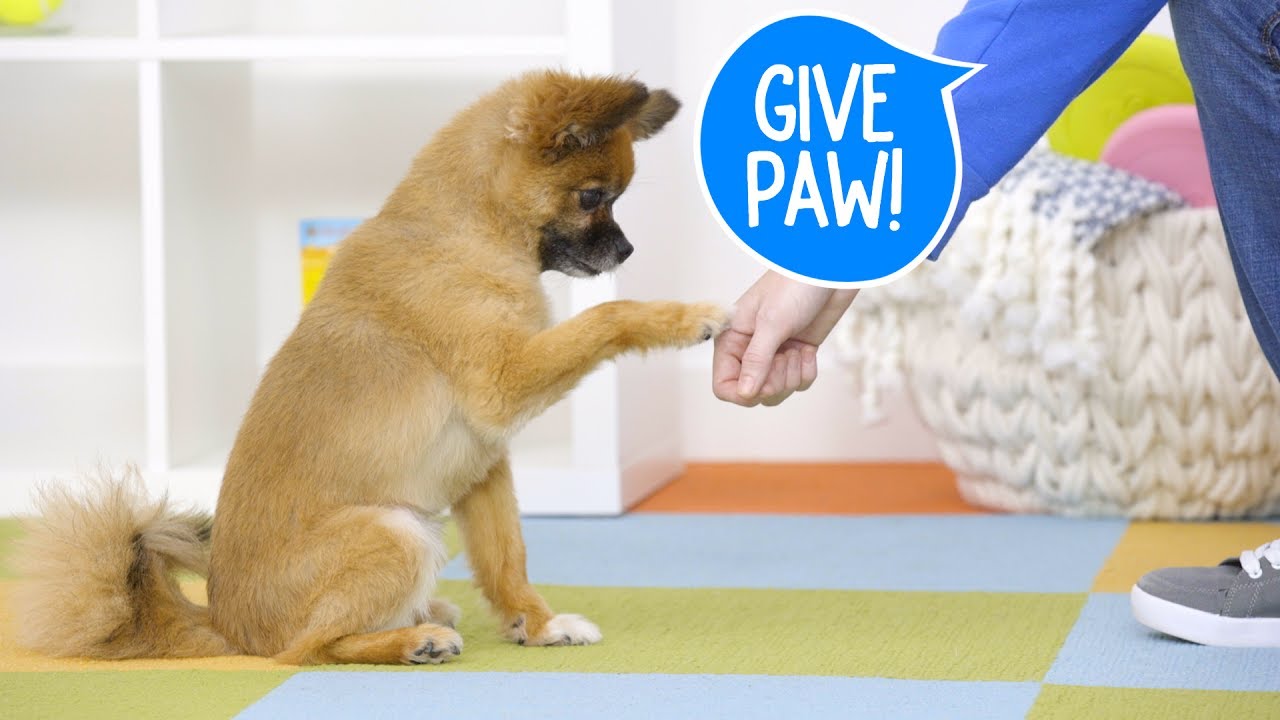
After several successes, begin to open your hand a little later so the dog deliberately places the paw on your palm. Gradually fade the food lure, rewarding only after the paw is offered.
Practice in Short Bursts
End each mini-session while your dog is still eager. A few daily repetitions lead to faster progress than one long drill.
Helpful Hints
- Keep the mood light; laughter and gentle petting are powerful reinforcers.
- If your dog seems confused, go back to the last step that felt easy and build more slowly.
- Reward every success at first, then switch to a variable schedule so the behavior stays strong.
- Avoid scolding—mistakes are simply information that more guidance is needed.
What You Gain
Beyond the cute factor, a reliable paw shake improves everyday manners. Vet visits, nail trims, and polite greetings become simpler when your dog happily offers a foot. The trick also provides mental exercise, channeling energy into a constructive task and leaving you both feeling accomplished.
Wrap-Up
With patience, clear cues, and plenty of praise, most dogs learn to shake within a few short sessions. Celebrate small wins, keep training fun, and you will soon have a confident companion who gladly offers a paw whenever you ask.