


Finding the Perfect Pet Store: A Comprehensive Guide
Introduction
Choosing a trustworthy and friendly pet store can feel overwhelming. As interest in high-quality pet care grows, so does the number of shops on the market. Yet not every store meets the same standards. This guide outlines practical steps to help you identify a store that will support both you and your companion animal, ensuring every visit is productive and pleasant.
The Importance of a Good Pet Store
A great pet store is more than a retail outlet; it is a resource center, social hub, and support network rolled into one. The right choice can improve daily life for pets and owners alike through reliable advice, consistent product quality, and a welcoming atmosphere.
Health and Safety
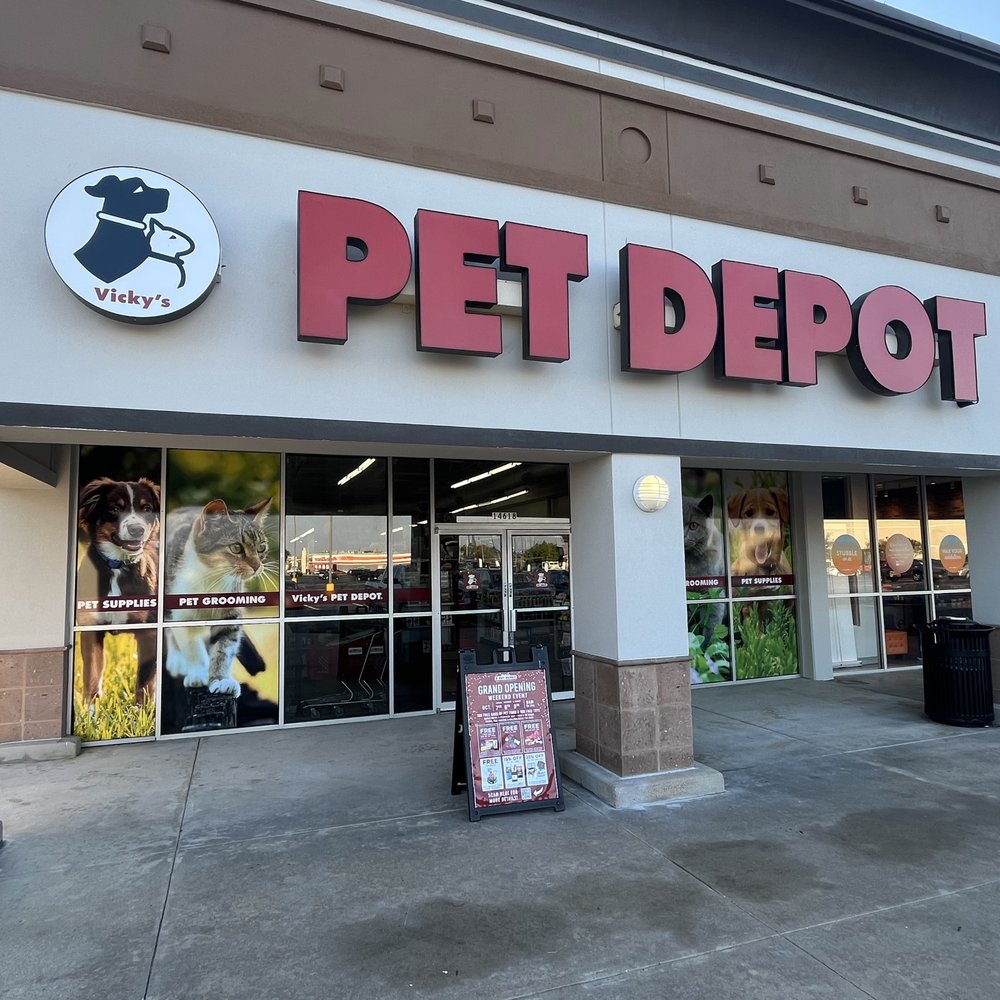
Clean aisles, secure enclosures, and clear care information signal that a store takes well-being seriously. Staff should be ready to discuss diet, exercise, and common health questions without giving medical diagnoses.
Quality Products
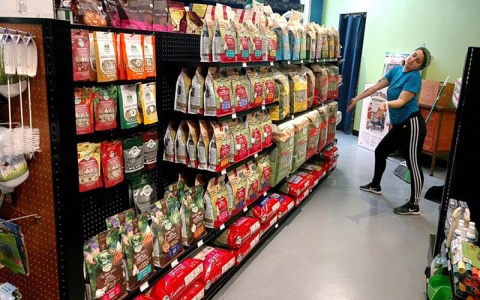
Shelves stocked with balanced foods, sturdy toys, and safe grooming tools save shoppers time and worry. Look for transparent ingredient lists, ethical sourcing statements, and reasonable return policies.
Community and Support
Stores that host adoption days, training demos, or casual meet-ups help owners exchange tips and reduce feelings of isolation. A sense of belonging often turns first-time visitors into lifelong customers.
How to Find the Perfect Pet Store
Research and Recommendations
Start by asking neighbors, dog-walkers, or local veterinarians where they shop. Online forums and neighborhood groups can reveal recurring praise or red flags. Compile a short list, then weigh factors such as distance, opening hours, and product range.
– Location: Is the shop easy to reach by car or public transit?
– Reputation: Do you hear consistent positive feedback?
– Range of products: Are specialty diets, eco-friendly toys, and grooming aids available?
– Customer service: Are questions answered patiently and respectfully?
Visit the Store
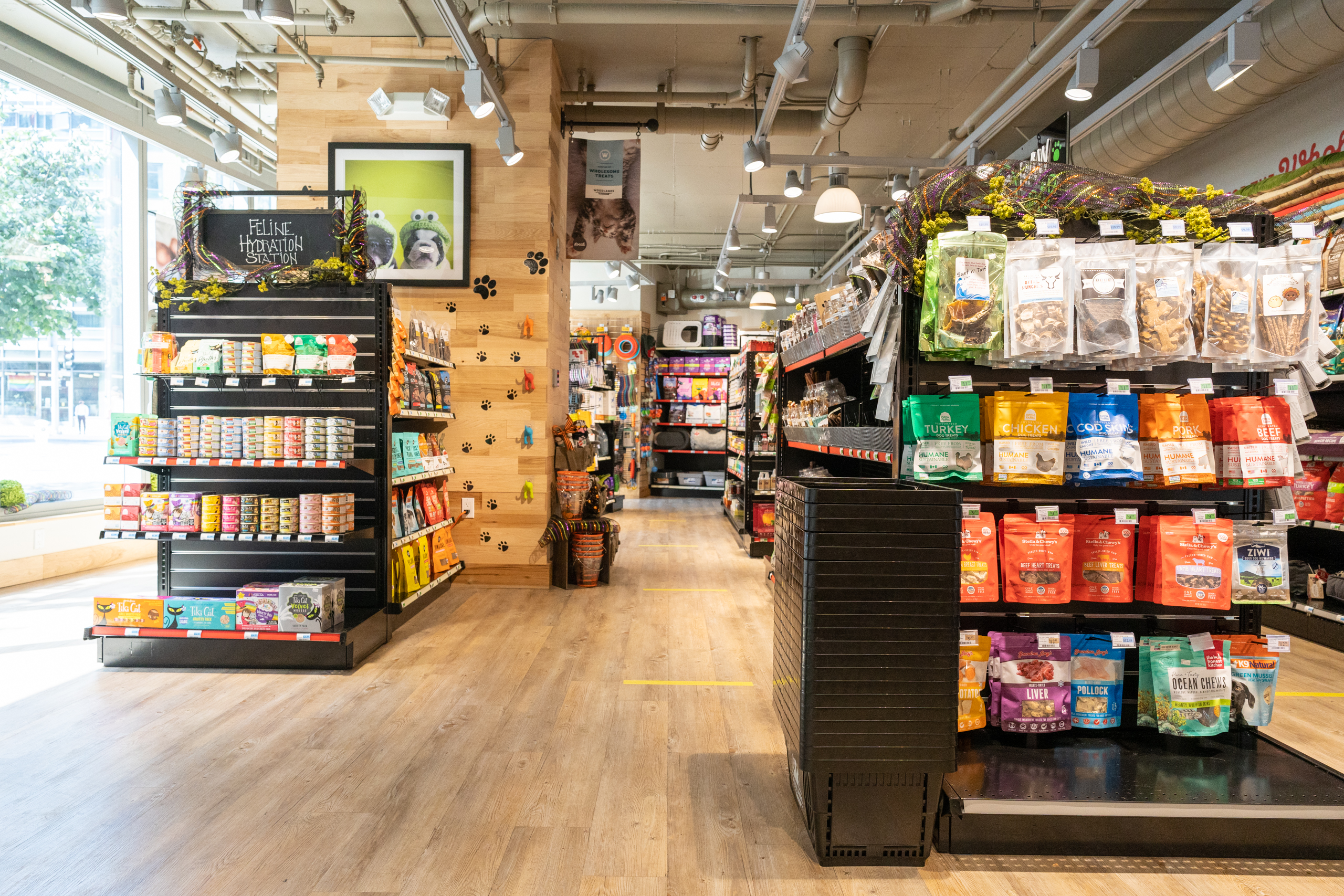
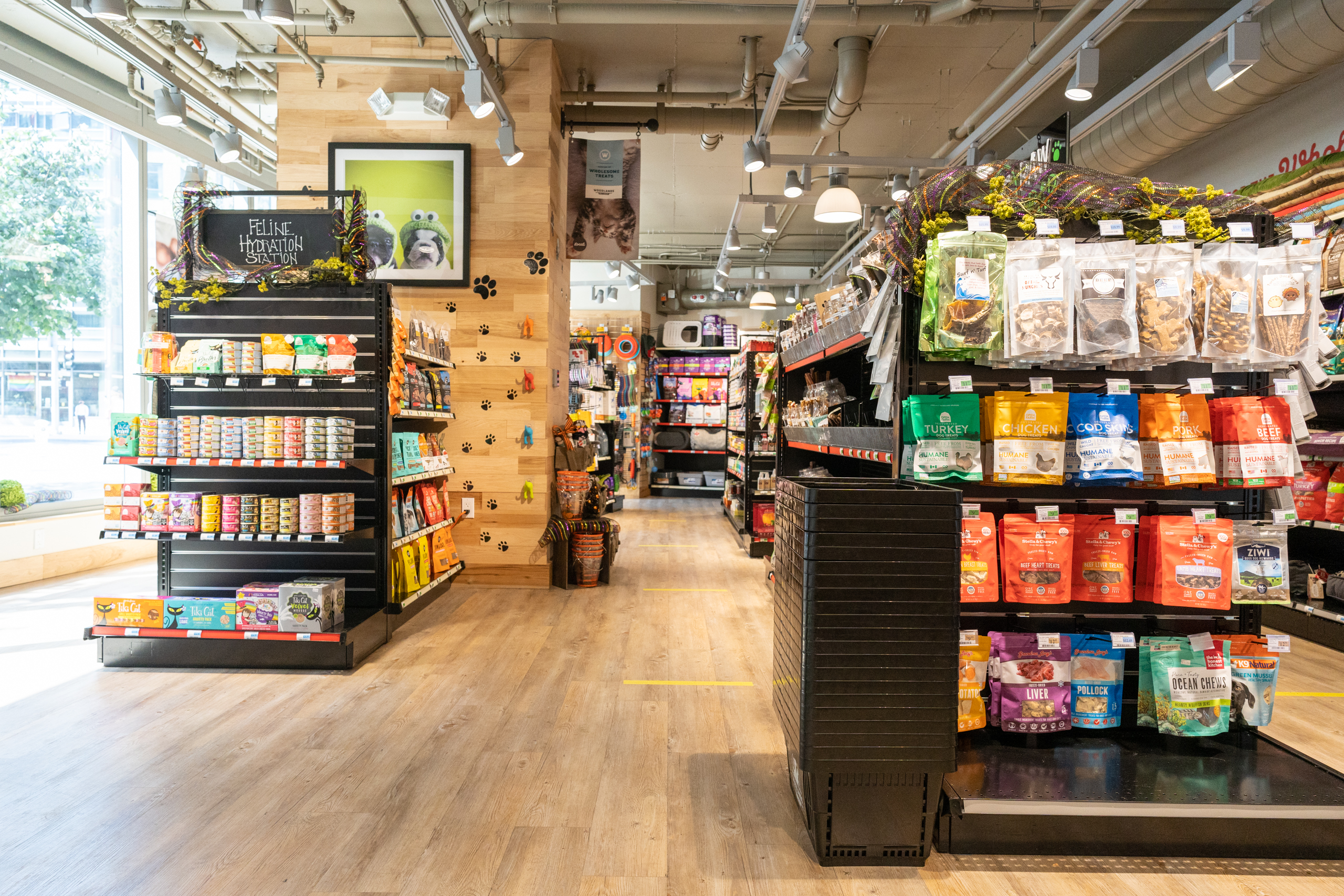
Nothing replaces an in-person impression. During your walk-through, notice odors, lighting, and aisle width. Observe how employees interact with animals and whether water and enrichment items are provided for any in-store pets.
– Check for tidy displays and clearly labeled prices.
– Ask about frequent-buyer programs or seasonal promotions.
– Note whether animals appear relaxed, not overcrowded.
– Trust your instincts; pressure sales or vague answers are warning signs.
Consider the Following Factors
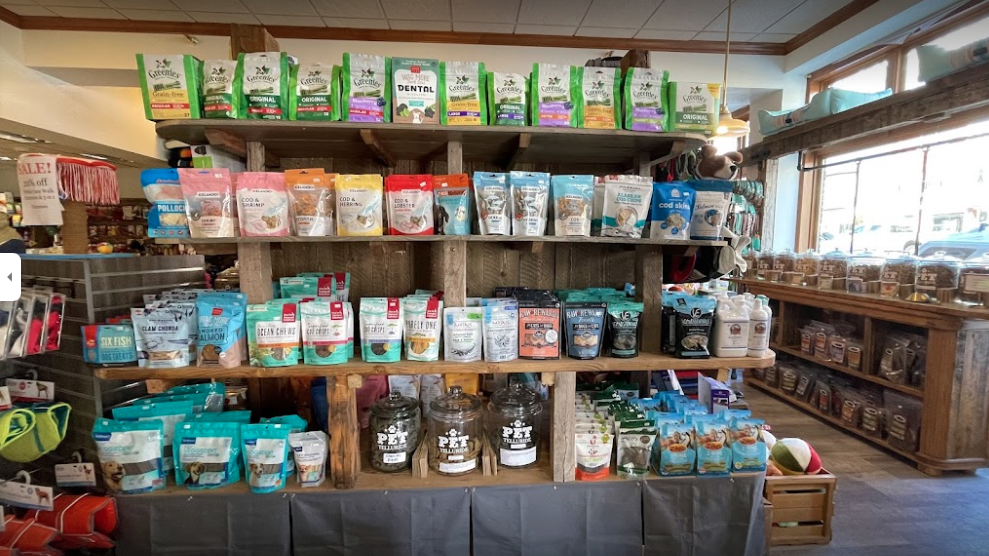
– Product Quality: Premium foods should list identifiable proteins and avoid unnecessary fillers.
– Pet Health: Some stores partner with groomers or invite vets for monthly wellness checks.
– Customer Service: Return policies, special orders, and home delivery options add convenience.
– Community Involvement: Fund-raisers for shelters or donation bins indicate a store that gives back.
The Role of Online Directories
Digital tools now aggregate store profiles, hours, and user ratings in one place. By entering a postal code, owners can map nearby shops, filter by services such as self-wash stations or raw-food freezers, and read recent reviews before leaving home.
Benefits of Using Online Directories
– Convenience: Compare locations and services side by side.
– Variety: Discover boutique or specialty retailers you might otherwise miss.
– Trust: Verified photos and dated reviews help confirm current conditions.
Conclusion
Selecting the right pet store is an investment in your animal’s health and your own peace of mind. Evaluate cleanliness, staff knowledge, product selection, and community spirit, then use online directories to refine your shortlist. With a little legwork, you will find a partner that supports every stage of pet ownership.
Future Research Directions
Continued study could examine:
– How digital comparison tools shape consumer loyalty and store standards.
– The influence of social media photo tags on a shop’s public image.
– Emerging in-store tech, such as smart scales or virtual nutrition kiosks, that could enhance the shopping experience.

Exploring these topics will help the industry keep improving, ensuring pets and their people enjoy safer, happier, and more connected lives.


