
The Impact of a Leading Pet Retailer on the Pet Industry: A Comprehensive Analysis
Introduction
The pet industry has expanded steadily for years, as more households welcome animals and look for quality food, toys, and care. One major chain has helped accelerate this shift by making supplies and services easy to find under one roof. This article examines how that retailer shapes the way people shop for pets, sets new market directions, and supports overall industry growth.
The Rise of the Retailer
Founded in the mid-1980s, the company quickly moved from a single outlet to a nationwide network of stores. Its formula combined broad product choice, in-store services such as grooming and training, and visible support for animal welfare, turning it into a familiar destination for new and experienced pet parents alike.
Shaping Consumer Behavior
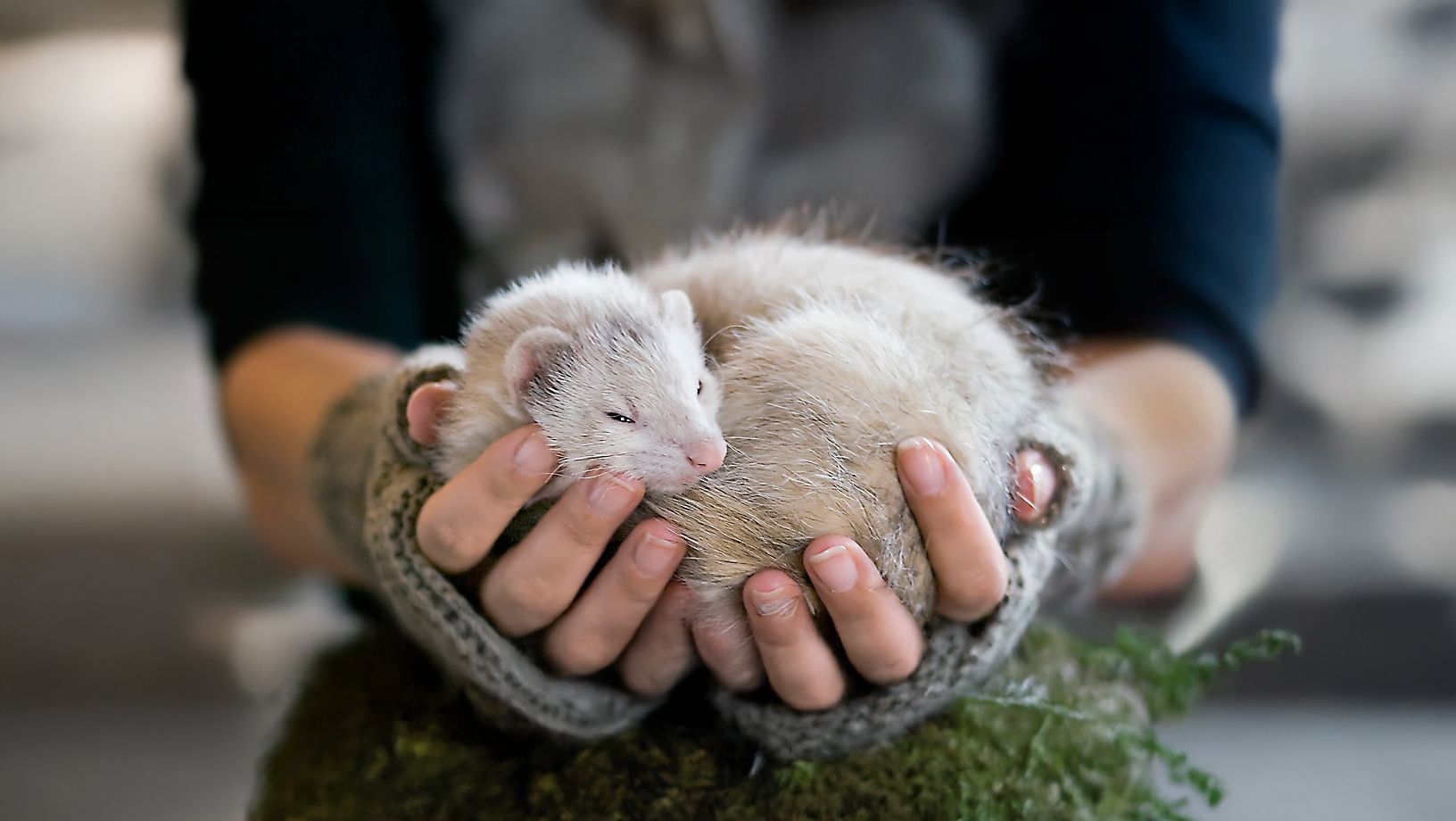
By grouping everything from premium food to play gear in brightly lit aisles, the chain encourages owners to view pets as family members worthy of regular spending. This merchandising approach normalizes higher outlays on nutrition, comfort, and enrichment, reinforcing a cycle of greater attachment and continued purchase.
Marketing that highlights adoption events, veterinary clinics, and eco-friendly lines also nudges shoppers toward products that claim ethical or health benefits. Competitors have responded by widening their own assortments of natural foods and sustainable accessories, broadening the industry’s move toward responsible sourcing.
Influencing Market Trends
The company’s scale allows it to test and popularize several trends that later ripple across the sector:
1. Pet Health and Wellness
Early placement of vet clinics inside stores made preventive care more convenient, while dedicated shelves for supplements, dental chews, and specialty diets turned health into a routine purchase rather than an emergency expense.
2. Eco-friendly and Sustainable Products
Biodegradable waste bags, recycled-toy stuffing, and responsibly sourced treats now sit alongside conventional lines, signaling that environmental concern is mainstream. Smaller brands frequently cite placement in this retailer as proof of concept when pitching other distributors.
3. Technology Integration
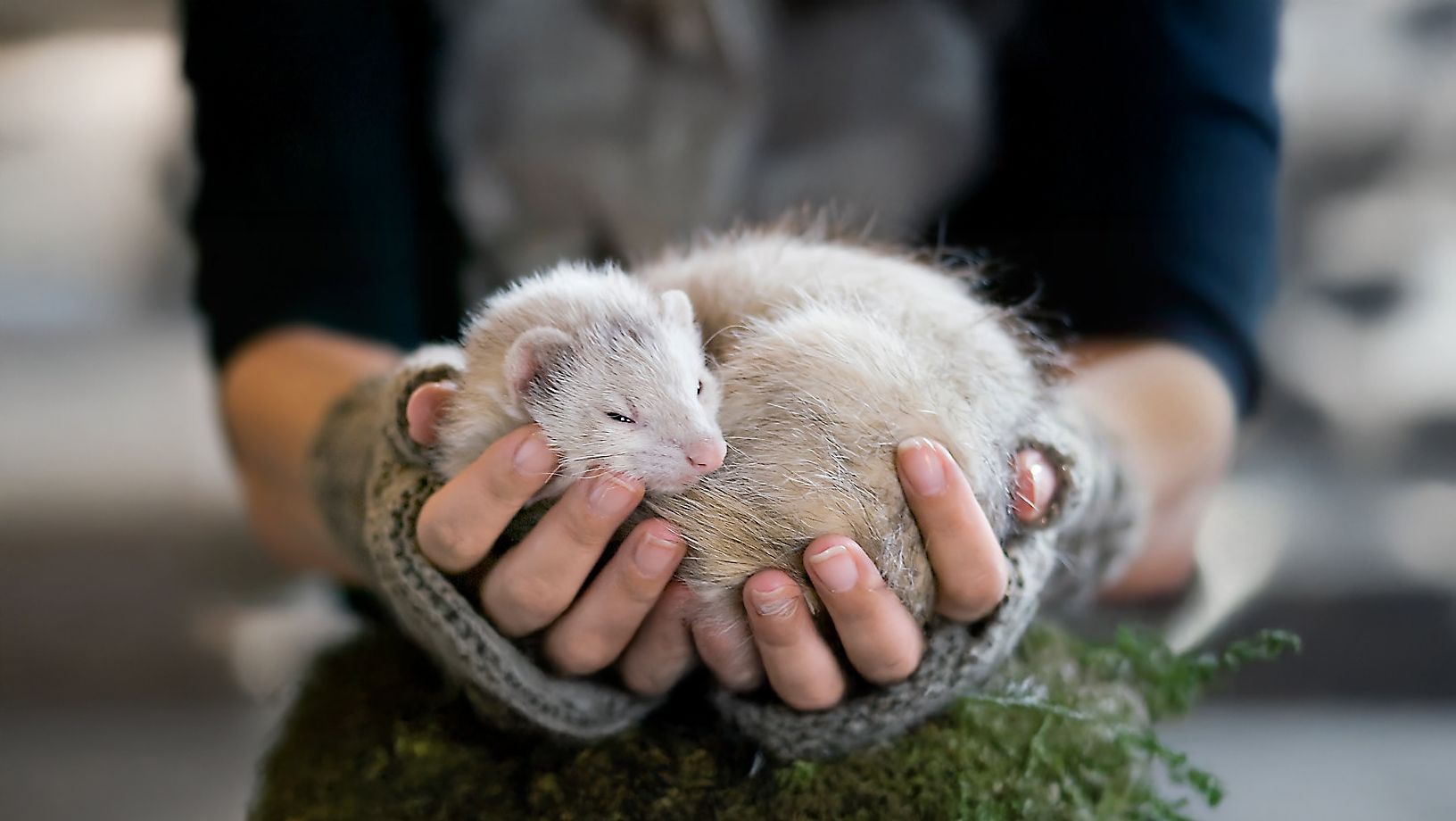
Click-and-collect lockers, subscription kibble deliveries, and app-based loyalty points smooth the path from discovery to repeat order, encouraging rivals to upgrade digital touchpoints or risk losing traffic.
Contributing to the Overall Growth of the Pet Industry
Beyond consumer-facing changes, the chain fuels expansion in several indirect ways:
1. Creating Job Opportunities
Thousands of groomers, trainers, stock clerks, and veterinarians earn steady wages, while seasonal hires absorb entry-level workers, supporting local economies in small towns and large cities.
2. Supporting Pet Welfare Organizations
Regular adoption drives, grant programs for shelters, and in-kind donations of food or bedding raise the profile of rescue work. The visibility prompts shoppers to consider adoption first and encourages other businesses to volunteer space or funds.
Conclusion

From normalizing premium spending to spotlighting sustainability, the retailer has acted as both mirror and engine of industry change. Its combination of broad assortment, in-store services, and welfare messaging offers a template that smaller shops adapt and that suppliers must satisfy to stay on shelf. As pet keeping continues to rise, the standards it sets will likely guide future innovation across the sector.
The company’s trajectory illustrates how consistent focus on customer convenience, animal well-being, and operational efficiency can expand the entire market rather than simply shift share among players.
Recommendations and Future Research
To keep momentum, pet retailers of any size can concentrate on three themes:
– Continued Investment in Pet Welfare: Stock clear labeling, host vaccination clinics, and train staff to give basic care advice, reinforcing trust and repeat visits.
– Innovation and Technology: Use data analytics to predict local demand, offer auto-ship discounts, and integrate telehealth options that connect owners with professionals quickly.

– Sustainability: Reduce packaging weight, introduce refill stations for dry food, and highlight carbon-neutral shipping to meet eco-conscious expectations.
Future research could explore:
– The long-term impact of large-format pet chains on independent stores: Examine whether market concentration spurs differentiation or drives niche players out.
– The role of technology in pet retail: Assess how augmented reality try-ons for apparel or AI-driven diet recommendations alter purchase behavior.
– The global impact of pet retail trends: Compare how U.S. merchandising practices influence emerging markets where pet ownership is just accelerating.