Title: The Silent Dialogue of Paws, Whiskers, and Tails: Reading Our Pets Without Words
Introduction:
Across living rooms, gardens, and quiet sidewalks, a conversation unfolds daily—one that needs no speech. Pets speak through the tap of a paw, the tilt of whiskers, the sweep of a tail. Learning to notice these small gestures opens a richer, kinder line of communication between species, deepening the friendship that already feels like family.
The Language of Paws: Understanding Pet Movements
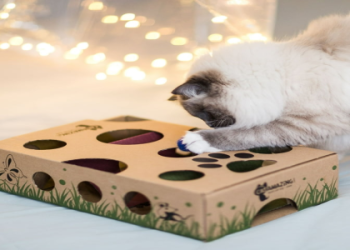
A paw can be a paintbrush that colors mood into motion. A relaxed stride, paws landing softly, paints calm across the floor. Short, choppy steps with weight shifted backward often sketch worry. When a dog offers one paw and holds it mid-air, the canvas shows hesitation; when a cat kneads a blanket, the same canvas glows with contentment.
Watching how paws are carried tells more than speed alone. Tucked feet while lying down can mirror unease, while confidently planted paws usually frame a confident spirit. Even the way claws briefly grip the ground before a leap reveals anticipation or playful daring.
The Power of Whiskers: Unveiling Pet Emotions
Whiskers are delicate antennae, tuned to shifts in air, light, and heart-rate. Pushed forward, they broadcast curiosity; pinned flat, they whisper caution. A relaxed cat resting with whiskers gently fanned outward is signing a peace treaty with the world; the same cat with whiskers drawn tight is reading the room for danger.
Dogs may not have feline-length whiskers, but the stiff hairs above their eyes and on their cheeks still telegraph focus. A slight twitch of these hairs can precede a playful pounce or signal that a stranger is approaching a personal boundary.
The Joy of Wags: Decoding Pet Happiness
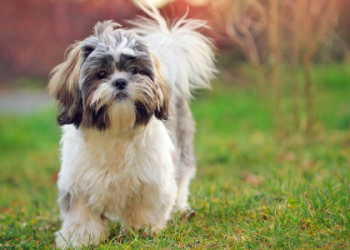
Tails are flags of emotion hoisted high for anyone who learns the semaphore. A wide, loose wag that travels through the hips usually announces open-armed joy. A slow, narrow wag held at mid-height can flag uncertainty. When the tail arcs in a gentle circle, like a helicopter blade, the dog is often inviting interaction; when it stiffens and quivers like a tuning fork, caution is advised.
Cats add their own punctuation. An upright tail with a quivering tip is an exclamation mark of greeting, while a puffed bottle-brush tail is a bold question mark asking for space.
The Importance of Understanding Paws, Whiskers, and Wags
Reading these signs is less about mastery and more about mindfulness. Recognizing when a pet wants solitude prevents stress; noticing the first wag of recognition returns warmth twice over. Over time, guardians who respond to early, subtle cues build trust that shows up as looser strides, softer whiskers, and fuller wags.
This quiet literacy also keeps everyone safer. A child who sees the paw-retreat or the tail-still can step back before a growl is ever needed, replacing confrontation with compassion.
Conclusion
Paws, whiskers, and tails are daily love letters written in motion. When we pause to read them, we answer with quieter voices, slower hands, and wider hearts. The conversation never really ends; it simply grows more fluent, one gesture at a time, strengthening the gentle treaty that lets two species share one home.
Tomorrow the paws will step differently, the whiskers will test new air, the tail will invent a fresh dance. If we keep watching, we will always have something new to learn—and our pets will keep teaching, one silent sentence at a time.