


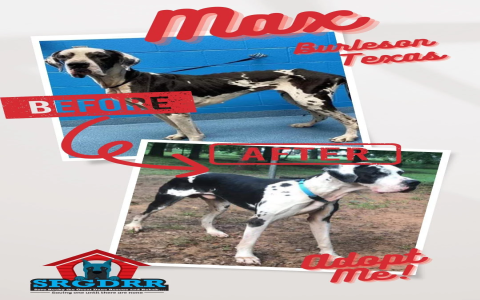
Great Dane Rescue: A Lifeline for Gentle Giants
Introduction
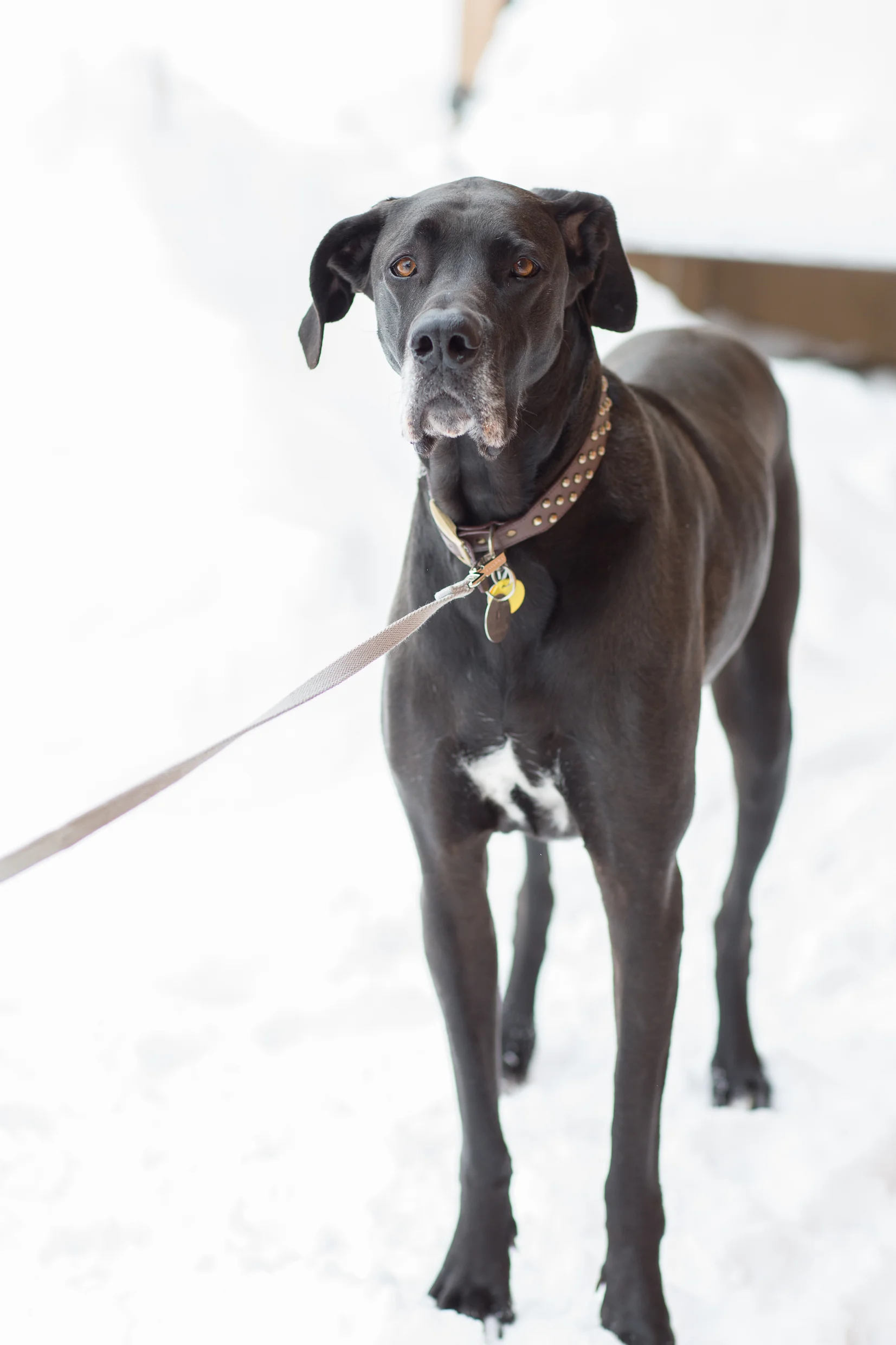
The Great Dane, affectionately called the Gentle Giant, is loved for its calm nature and impressive size. Yet, even these noble dogs can face neglect or abandonment. Dedicated rescue groups step in to offer safety, medical care, and a fresh start. This article explores why such organizations matter, how they serve the community, and the hurdles they confront.
The Importance of Specialized Rescue
Breed-focused rescues provide shelter, rehabilitation, and new homes for Great Danes in need. By concentrating on a single breed, they tailor care to unique physical and emotional requirements, easing the burden on public shelters and giving each dog personalized attention.
Addressing Animal Abandonment
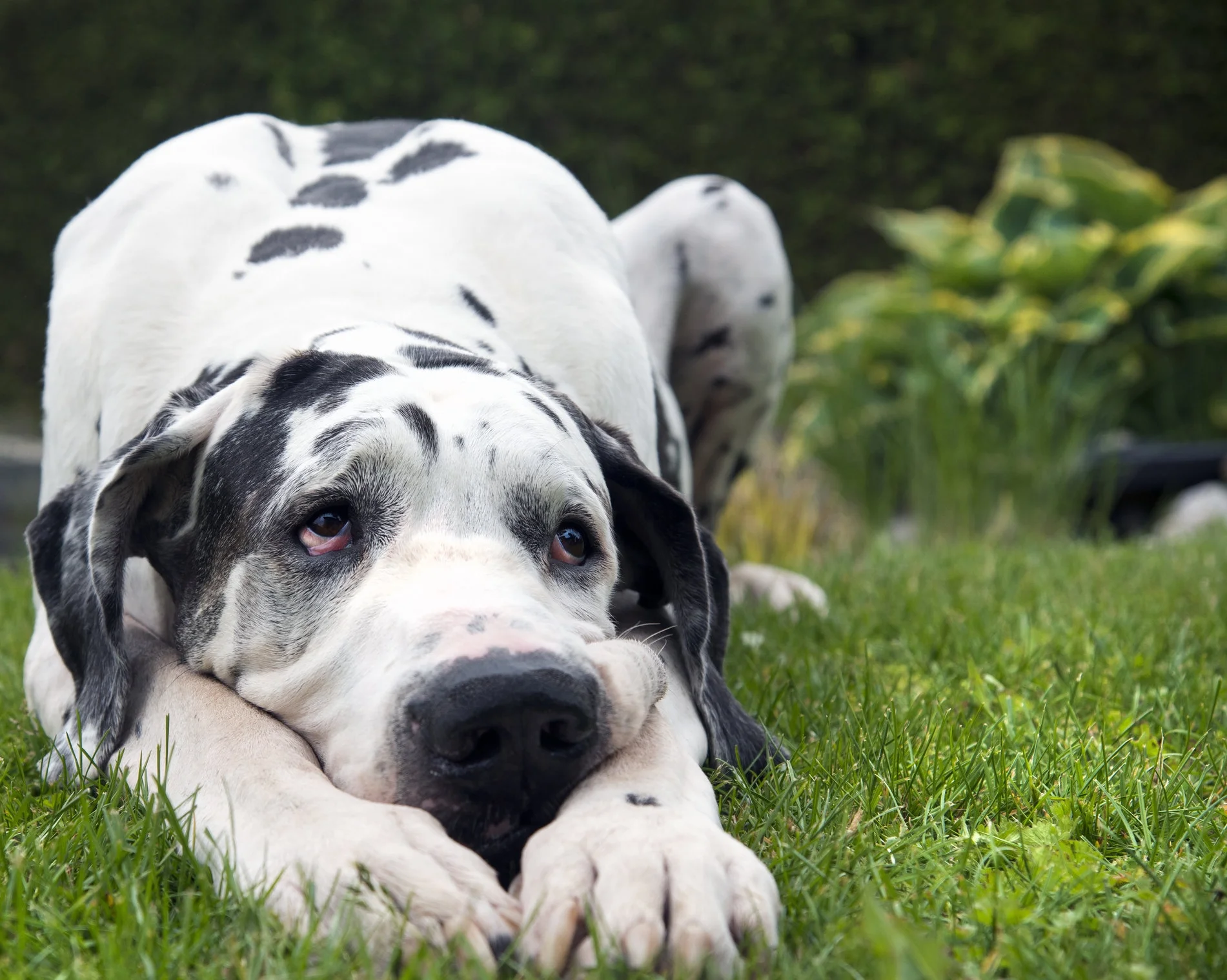
Large-breed dogs are often surrendered when families underestimate their size and exercise needs. Rescue teams pull these dogs from shelters or private surrenders, place them in foster homes, and ensure they receive proper nutrition, training, and socialization before adoption.
Rehabilitation and Rehoming
Every Dane arrives with its own history. Volunteers arrange veterinary checks, treat injuries or illnesses, and teach basic manners. Prospective adopters are screened for living space, experience, and long-term commitment, creating matches built to last.
The Impact on the Community
Beyond saving individual dogs, these groups educate the public about responsible ownership, reduce shelter overcrowding, and inspire local residents to volunteer, donate, or foster.
Raising Awareness
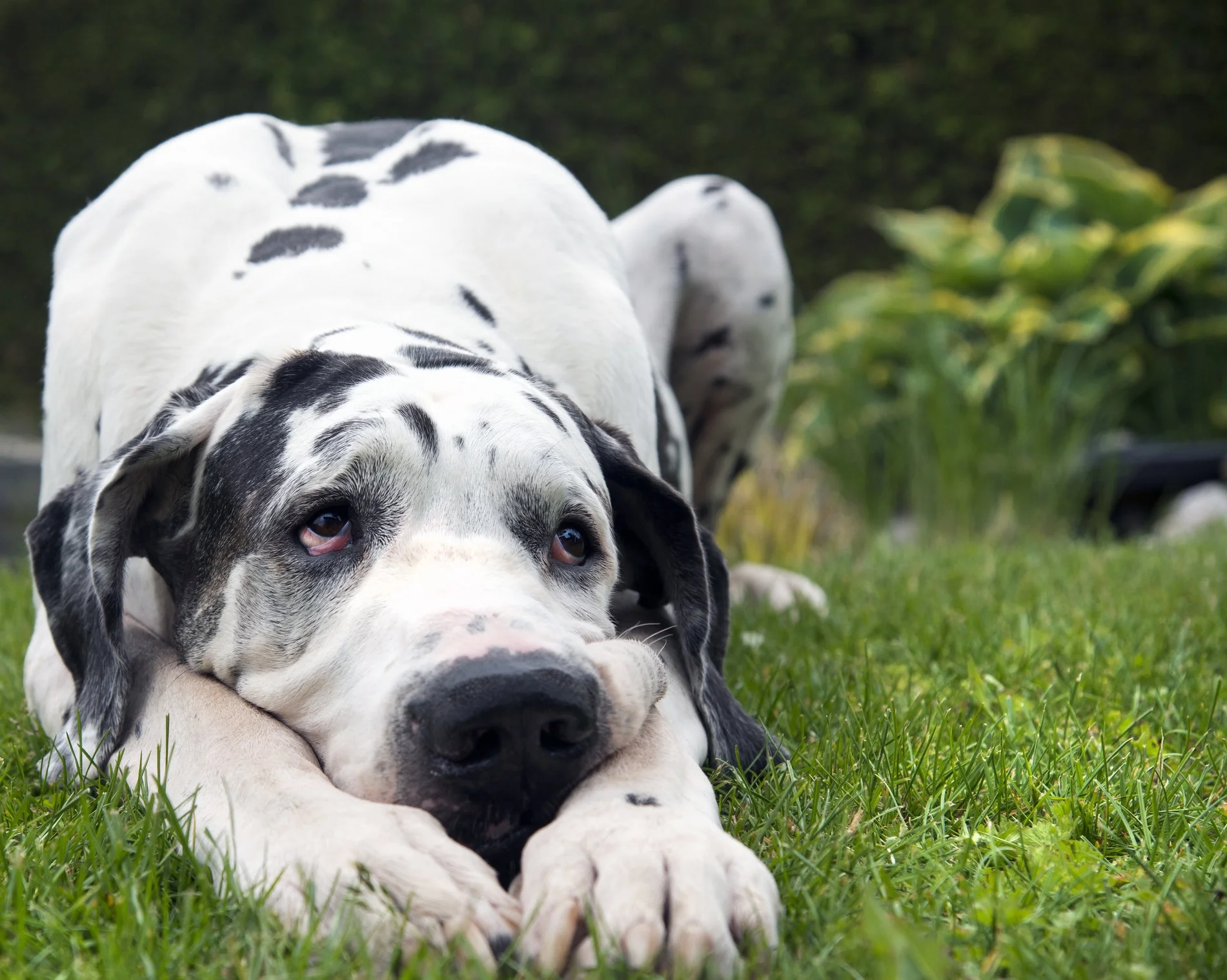
Workshops, social media posts, and meet-ups explain exercise requirements, dietary needs, and the costs of raising a giant breed. Informed owners are less likely to surrender pets, cutting future abandonment rates.
Promoting Community Engagement
Fun runs, adoption fairs, and online auctions raise funds while letting families meet adoptable dogs. Children learn empathy, and neighbors connect over a shared love of animals, strengthening community bonds.
Challenges Faced by Rescue Groups
Despite passion and dedication, these organizations grapple with ongoing obstacles.
Limited Resources
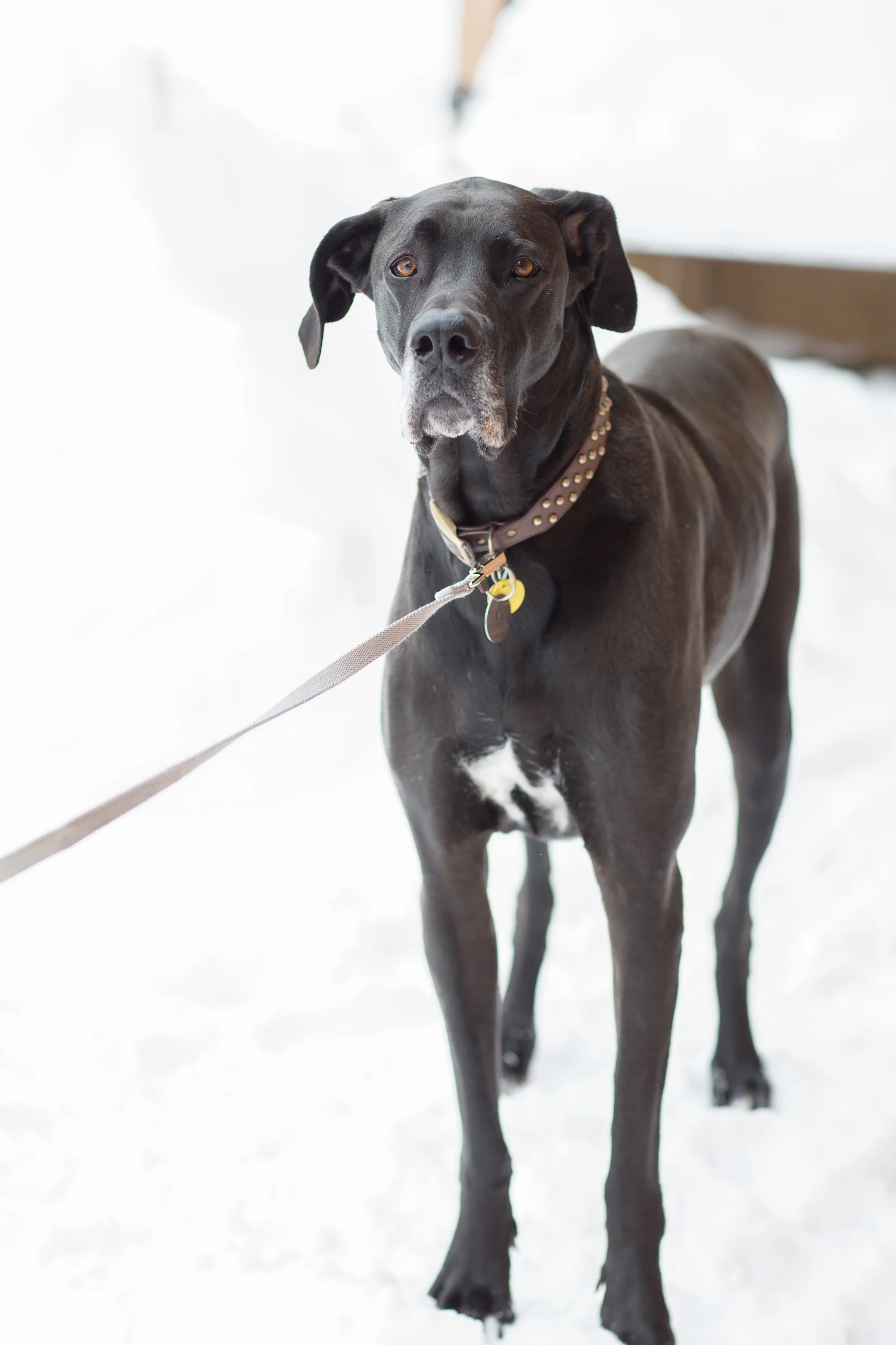
Reliance on donations means income can fluctuate. Veterinary bills, quality food, and rent for kennel space compete for every dollar, sometimes forcing rescues to limit intake.
High Medical Costs
Great Danes are prone to conditions like hip dysplasia and bloat. Emergency surgery can quickly drain savings, so rescues maintain partnerships with veterinarians and run constant fundraisers to cover expenses.
Conclusion
Specialized rescue networks give Gentle Giants a second chance at life, comfort families seeking the perfect pet, and educate the wider public. Continued support and awareness are essential to keep this lifeline strong.
Recommendations and Future Research
To strengthen efforts on behalf of Great Danes, consider the following:
1. Share breed-specific information widely to promote responsible ownership.
2. Diversify fundraising through grants, business sponsorships, and recurring donor programs.
3. Partner with training facilities and veterinary schools to reduce costs and improve rehabilitation outcomes.
Future studies could examine:
1. Long-term success rates of adopted Danes, including retention and health trends.
2. Effectiveness of different foster and training protocols for large breeds.
3. Community-wide strategies that lower overall pet abandonment and improve animal welfare.
In conclusion, dedicated rescue teams serve as a beacon of hope for Great Danes. By tackling challenges head-on and engaging the public, they ensure a brighter future for these majestic dogs and the families who welcome them home.


