


The Impact of Pet Social Media on Modern Society
Introduction
In recent years, sharing everyday moments of companion animals through dedicated online profiles has become a mainstream habit. These accounts, often curated by the animals’ human caregivers, showcase photos, short clips, and stories to a global audience. This article explores how the trend influences society, outlining its advantages, drawbacks, and wider implications for both guardians and the public.
The Rise of Pet Social Media
Definition and Characteristics
Pet-centered profiles first appeared alongside early social networks and have since flourished across every major platform. Each account typically highlights the animal’s routines, milestones, and playful interactions, frequently narrated from the pet’s imagined point of view. Many such profiles attract thousands of followers who check in daily for light-hearted updates.
Factors Contributing to the Growth of Pet Social Media
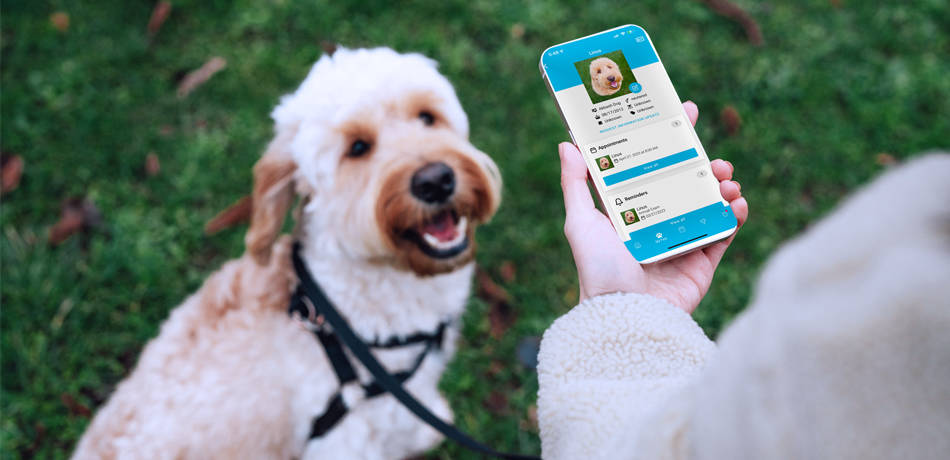
Several elements explain the surge in popularity. First, smartphones and free publishing tools make it effortless to upload content anytime. Second, more households view pets as family members, strengthening the desire to celebrate and communicate their lives. Finally, audiences actively seek wholesome, stress-relieving material, creating fertile ground for animal-focused feeds.
Benefits of Pet Social Media
Emotional Support and Connection
Scrolling through cheerful images of cats, dogs, and other companions can lift moods and offer a quick escape from everyday worries. For guardians, maintaining a page becomes a creative outlet that documents cherished memories while connecting them with like-minded enthusiasts worldwide. Followers often describe feeling a sense of community and shared affection, even across great distances.
Pet Education and Awareness
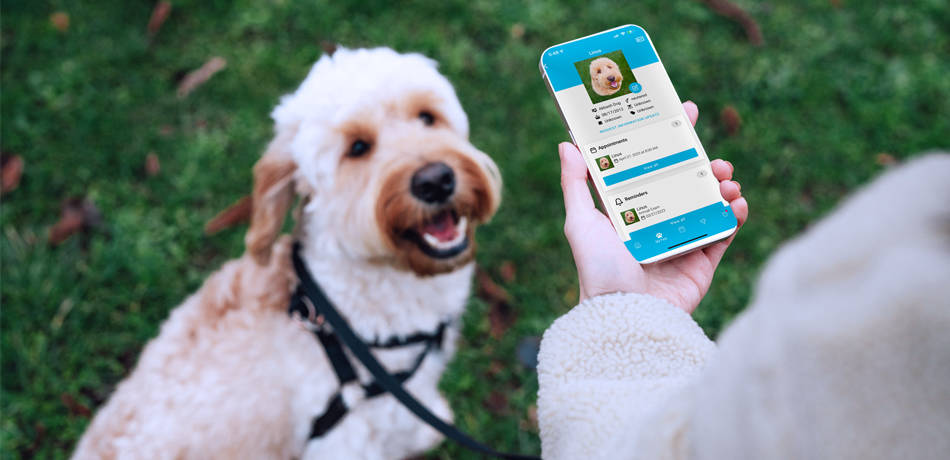
Informative captions and short tutorials can teach viewers about grooming, training, nutrition, and species-specific needs. Highlighting adoptable animals or responsible breeding practices encourages informed decisions, potentially reducing impulse purchases and future relinquishments. Posts that explain body language or subtle signs of illness also empower owners to seek timely veterinary care.
Economic Opportunities
High engagement rates attract pet brands looking for authentic endorsements, allowing caregivers to earn supplementary income through collaborations, affiliate links, or themed merchandise. The trend has also fostered new services such as professional pet photography, social-media management for animal accounts, and charity-driven virtual events that support shelters and welfare organizations.
Challenges and Concerns
Privacy and Security Issues
Owners sometimes reveal location details or daily schedules without realizing the risks. Publicly announcing extended travel plans can expose homes to theft, while excessive data about an animal’s microchip or medical history may be misused. Additionally, commercial pressures can tempt guardians to prioritize viral moments over the animal’s comfort.

Overexposure and Distraction
Constant filming or photo sessions may interrupt rest, trigger stress signals, or encourage undesirable behaviors performed for treats. When metrics become the main focus, essential needs such as exercise, mental stimulation, and quiet downtime can be unintentionally shortened. Followers, too, might develop unrealistic expectations about pet behavior or care requirements.
The Role of Pet Social Media in Society
Social Media Phenomenon
The popularity of animal content underscores how digital networks shape leisure, commerce, and even language, as memes and pet-related phrases enter everyday conversation. These accounts act as informal archives of human-animal relationships, documenting evolving styles of companionship for future researchers and enthusiasts.
Cultural Shift

By spotlighting empathy, adoption success stories, and rescue efforts, pet profiles reinforce the idea that sentient creatures deserve respect, proper healthcare, and legal protection. The visibility of therapy animals, senior pet care tips, and end-of-life support further normalizes compassionate attitudes across generations.
Conclusion
Pet-centered social media has woven itself into the fabric of online life, offering entertainment, education, and economic prospects while raising valid ethical questions. Balancing transparency, authenticity, and the well-being of the animals remains paramount. As platforms evolve, guardians, viewers, and industry stakeholders share responsibility for ensuring that the spotlight on beloved companions continues to reflect kindness, accuracy, and care.


