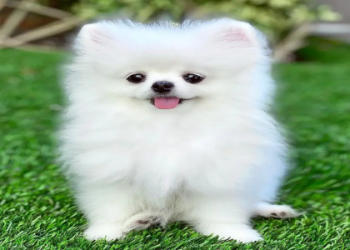
Mini Labradoodle: A Friendly Companion Overview
Introduction
The Mini Labradoodle has quickly become a beloved choice for families looking for a smart, low-shedding pet. Created by crossing a Miniature Poodle with a Labrador Retriever, this compact hybrid blends the best traits of both breeds. The following overview explores its background, appearance, personality, health notes, and reasons for its widespread appeal.
Origin and History
Mini Labradoodles first appeared during the late twentieth century, when breeders sought a smaller, allergy-friendly service dog. By combining the Poodle’s low-shed coat with the Labrador’s eager-to-please nature, they produced a versatile companion suited to many households.
Physical Attributes
These dogs usually weigh 15–40 pounds and stand 14–20 inches at the shoulder. Their coats range from wavy to curly and come in colors such as cream, chocolate, black, and apricot. A well-built Mini Labradoodle carries a bright expression and a tail that often curves gently over its back.
Temperament
Mini Labradoodles are affectionate, quick learners, and thrive on human interaction. They enjoy games, walks, and cuddles in equal measure, making them excellent partners for children, other pets, and first-time owners.
Health Considerations
Like any breed, they can face joint, eye, or skin concerns. Routine vet visits, balanced meals, daily exercise, and responsible breeding practices help keep them healthy and happy.
Popularity Across Regions
Warm climates and active lifestyles suit this energetic yet adaptable dog. Its low-shed coat is welcomed by allergy sufferers, while its friendly nature fits city apartments, suburban homes, and country yards alike.
Factors Contributing to Popularity
Key draws include the coat’s reduced dander, high trainability, and gentle disposition. Whether working as a therapy visitor or lounging on the sofa, the Mini Labradoodle adjusts willingly to family life.
Conclusion
The Mini Labradoodle offers intelligence, charm, and a size that suits many living situations. Prospective owners should research breeders, ask about health screenings, and prepare for daily mental and physical activity. With proper care, this cheerful hybrid can be a devoted companion for years to come.
References
– General breed information from major kennel and breed-club websites
– Articles on hybrid-doodle development and coat genetics
– Veterinary guidance on common joint and eye conditions in retrievers and poodles
– Resources provided by established Labrador and Poodle breed clubs