The Art and Science of Budgie Breeding: A Comprehensive Guide for Enthusiasts
Introduction
Budgerigars, affectionately called budgies or parakeets, charm keepers worldwide with their rainbow hues, lively chatter, and straightforward care. These traits have turned selective breeding into a rewarding pastime pursued on every continent. This guide walks readers through the background, methods, hurdles, and promising horizons of producing healthy, beautiful budgies.
The History of Budgie Breeding
Early Beginnings
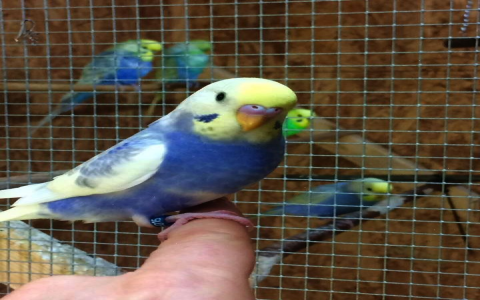
Organized breeding efforts began in nineteenth-century Europe, when fanciers first paired birds to intensify color and pattern. Public demand soared, inspiring aviculturists to create ever-more-diverse lines.
Evolution of the Hobby
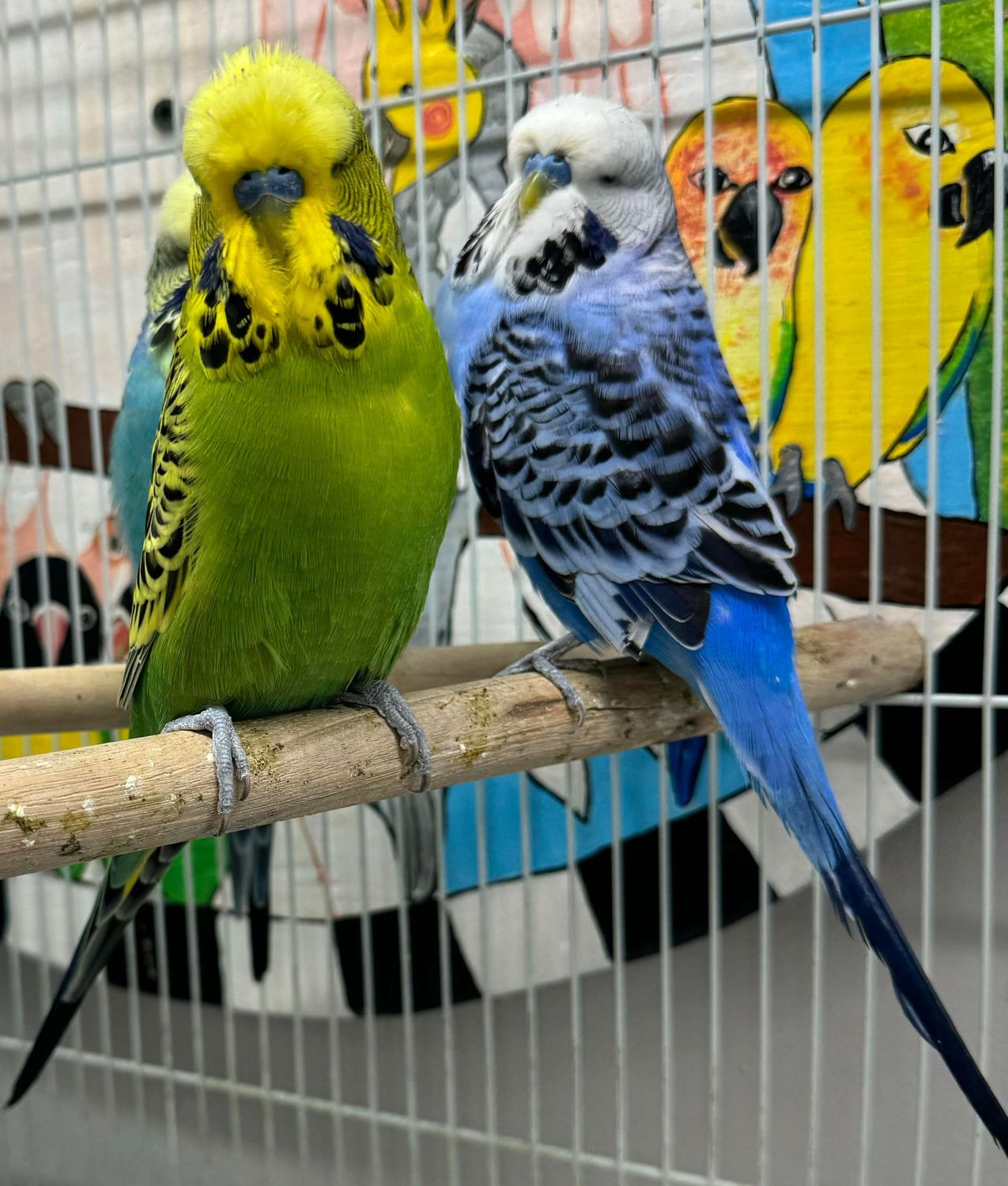
Improved knowledge of genetics, nutrition, and housing has since transformed the practice. Modern breeders emphasize not only color but also robust health, calm temperament, and balanced proportions.
The Importance of Proper Breeding Techniques
Selective Breeding
Choosing parents that display desired qualities—such as rich plumage or gentle nature—allows those traits to appear reliably in the next generation. Patience and accurate record-keeping are essential tools.
Genetic Diversity
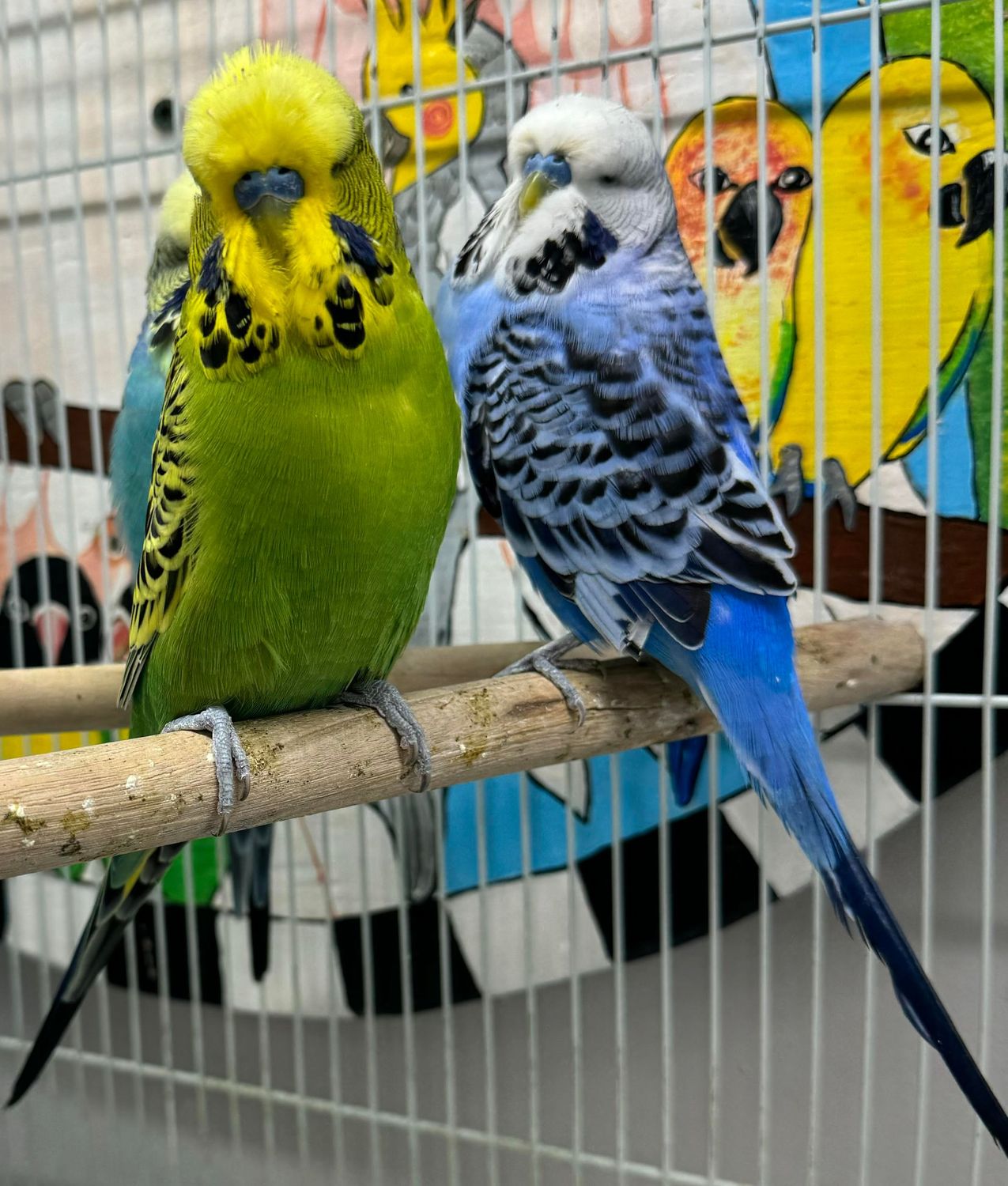
Outcrossing unrelated stock reduces hidden defects and sustains fertility. A wide gene pool remains the surest safeguard against long-term decline.
Understanding Budgie Genetics
Color Varieties
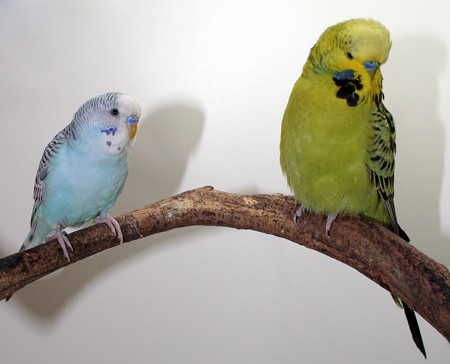
Mutations like lutino, albino, and cobalt alter feather pigment through simple recessive or polygenic inheritance. Learning these rules helps predict outcomes and plan pairings.
Sexing Techniques
While cere color offers clues in adults, many breeders now rely on painless DNA tests to sex chicks accurately before pairing decisions are made.

The Role of Nutrition in Budgie Breeding
Balanced Diet
Year-round menus should combine fresh greens, vegetables, soaked seed, and high-quality pellets. Trace minerals and vitamin A support immunity and vibrant plumage.
Breeding Diets
During nesting, extra protein from egg food, sprouted millet, and small mealworms fuels egg formation and rapid chick growth. Clean water and cuttlebone must always be available.
Challenges in Budgie Breeding
Health Issues
Respiratory irritants, parasites, or calcium shortages can undermine success. Scheduled vet checks, strict hygiene, and quarantine for new arrivals keep problems in check.
Environmental Factors
Stable temperatures, gentle daylight cycles, and low noise reduce stress. Draft-free shelters with natural perches encourage natural mating behavior.
The Future of Budgie Breeding
Conservation Efforts
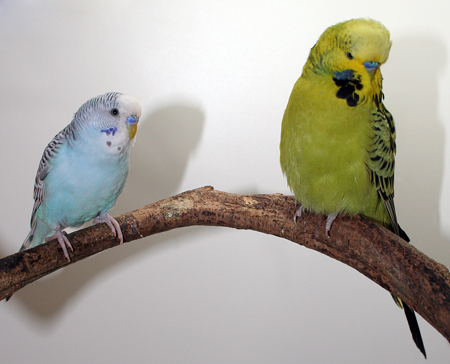
By documenting bloodlines and sharing stock, hobbyists protect rare varieties that might otherwise disappear. Ethical breeders avoid excessive inbreeding and support open studbooks.
Technological Advancements
Digital record apps, remote nest cameras, and affordable genetic screening make it easier to track traits, monitor nests, and make informed choices without disturbing the birds.
Conclusion
Thoughtful pairing, sound nutrition, and vigilant care form the tripod on which successful budgie breeding rests. When keepers balance aesthetics with welfare, each generation emerges stronger, brighter, and better suited to life as cherished companions.
Recommendations for Budgie Breeders
– Attend club meetings or online webinars to stay current on husbandry advances.
– Exchange breeding notes with trusted peers to widen perspective and reduce risk.
– Place health, temperament, and genetic diversity ahead of cosmetic extremes.
– Participate in cooperative programs that safeguard rare color morphs and wild-type traits.
By following these principles and adapting to new knowledge, breeders ensure the hobby remains sustainable and joyful for both birds and their keepers.