
Introduction
Animal welfare organizations play a vital role in promoting humane treatment across the country. This overview examines one prominent group dedicated to preventing cruelty, outlining its goals, activities, and influence on companion-animal welfare. By reviewing publicly available information, readers can form their own opinion about the group’s credibility and effectiveness.
Mission and Purpose
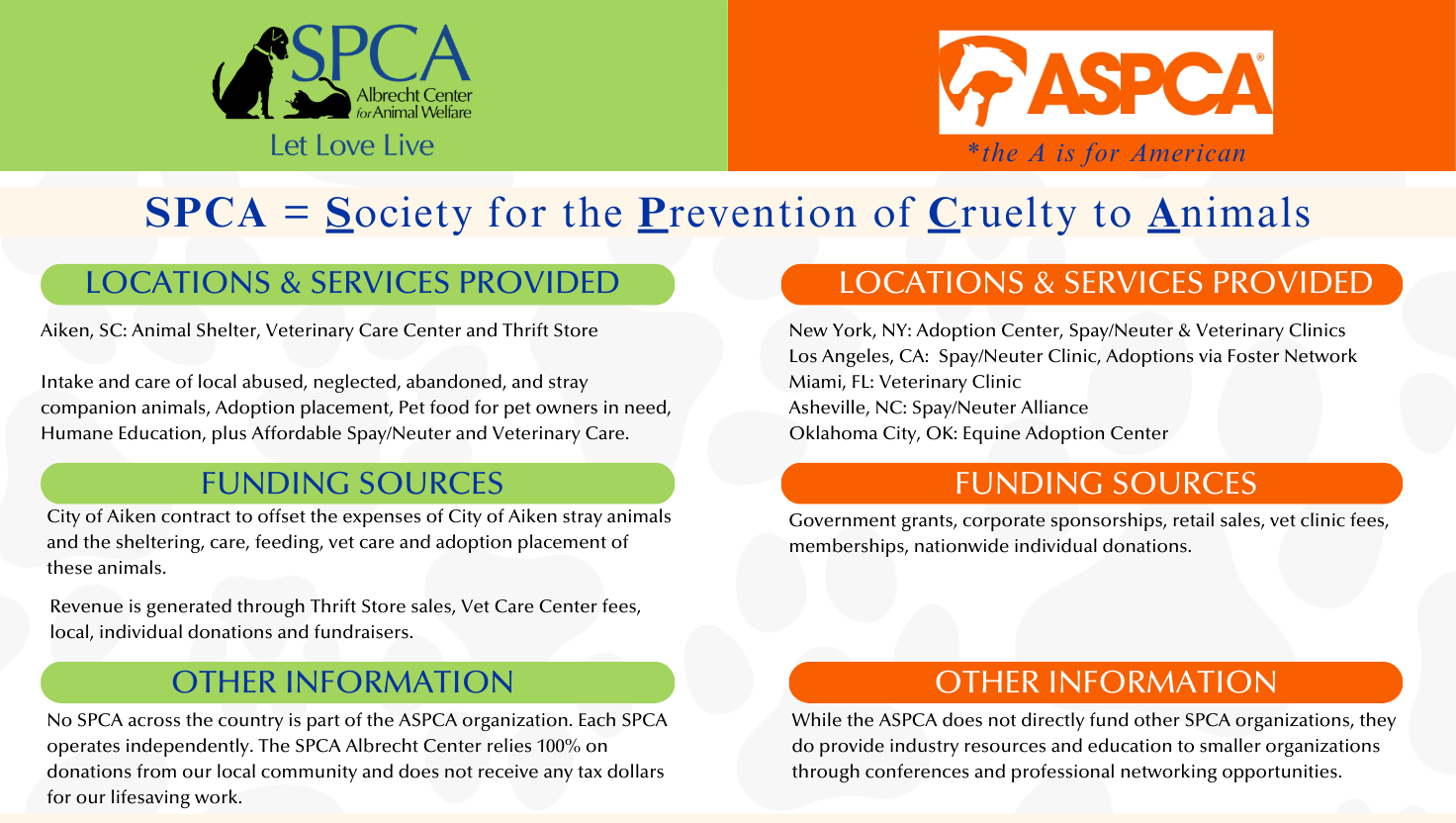
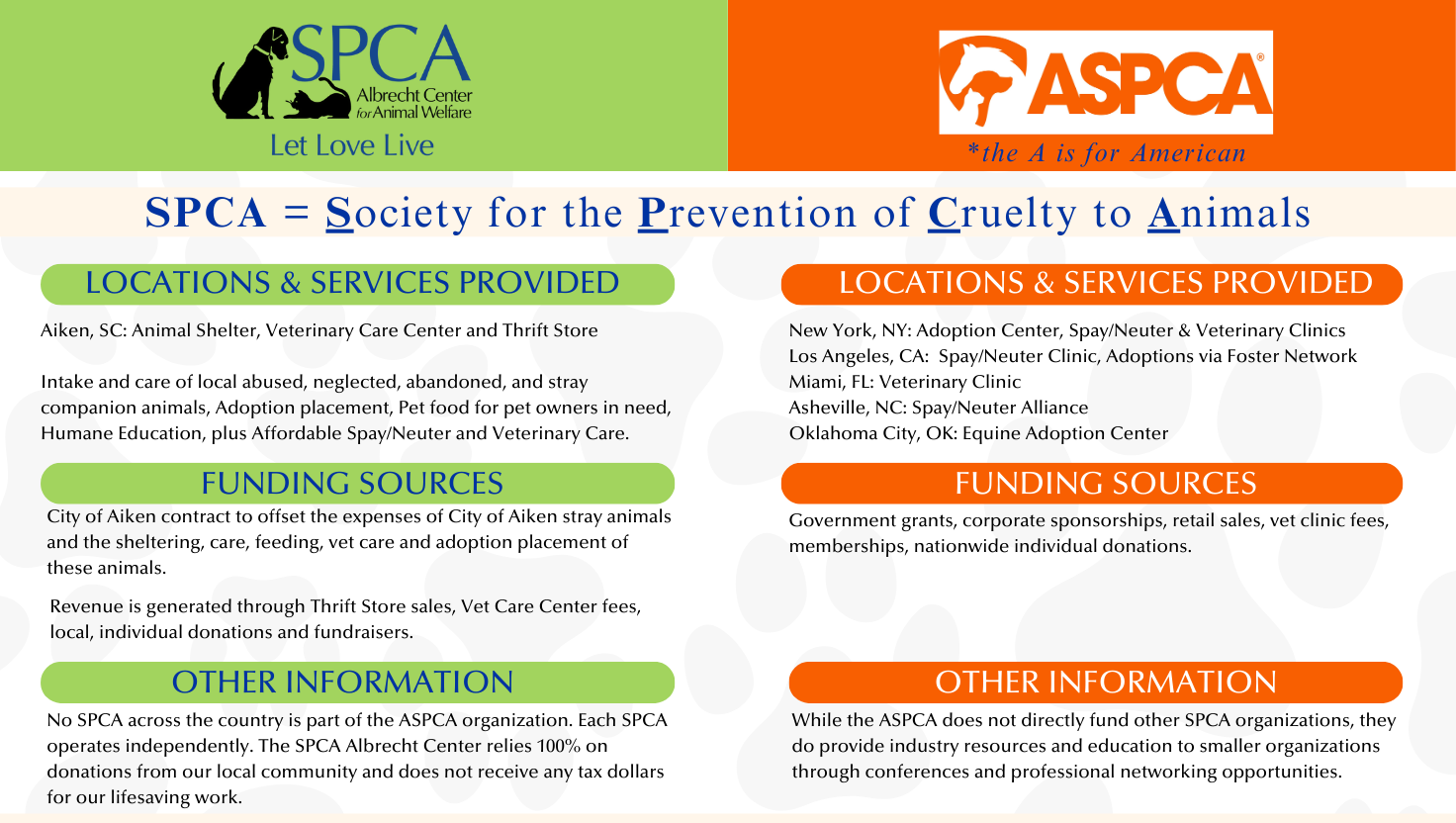
Founded in the nineteenth century, the organization’s stated purpose is to reduce cruelty toward animals nationwide. Core priorities include rescue, education, and policy work. The guiding statement is concise: to provide effective means for the prevention of cruelty to animals throughout the United States.
Programs and Services
The group carries out its mission through several complementary efforts:
Anti-Cruelty Initiatives
Teams respond to reports of abuse, assist investigators, and support legal proceedings when appropriate. A round-the-clock tip line allows the public to report suspected mistreatment.
Community Outreach
Mobile clinics offer low-cost spay/neuter and vaccination services, while adoption events help place homeless pets in new homes. Educational presentations in schools and neighborhood centers encourage responsible guardianship.
Policy Engagement
Staff and volunteers work with lawmakers to strengthen protections, promote anti-tethering measures, and address commercial breeding conditions.
Financial Transparency
Annual reports summarize revenue, expenditures, and program outcomes. Independent evaluators have awarded high ratings for accountability, citing clear disclosure of funds.
Welfare Impact
Over the decades, the group has contributed to the passage of various animal-protection statutes and has provided direct care to thousands of animals removed from harmful situations. Outreach efforts have also expanded access to veterinary services in underserved regions.
Questions and Critiques
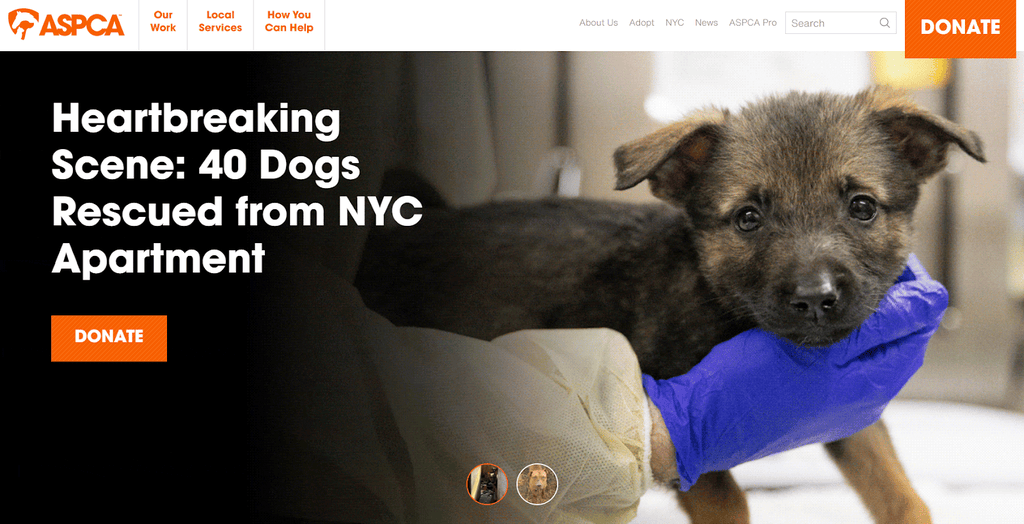
Some observers note that media-friendly rescues may receive disproportionate attention, while quieter, community-level needs receive fewer resources. Others question whether involvement in shelter operations creates competing priorities. The organization states that it continually reviews feedback to refine its programs.
Conclusion
Public filings, program data, and legislative results indicate a sustained commitment to reducing animal suffering. Although no large nonprofit is free from criticism, the available evidence suggests the group operates in good faith toward its stated mission.
Looking Ahead
Ongoing transparency, regular program evaluation, and responsiveness to community concerns will help maintain trust. Future studies could measure long-term outcomes of outreach and policy campaigns, ensuring resources continue to benefit animals most in need.