The Impact of Pet Stores in Urban Centers
Introduction
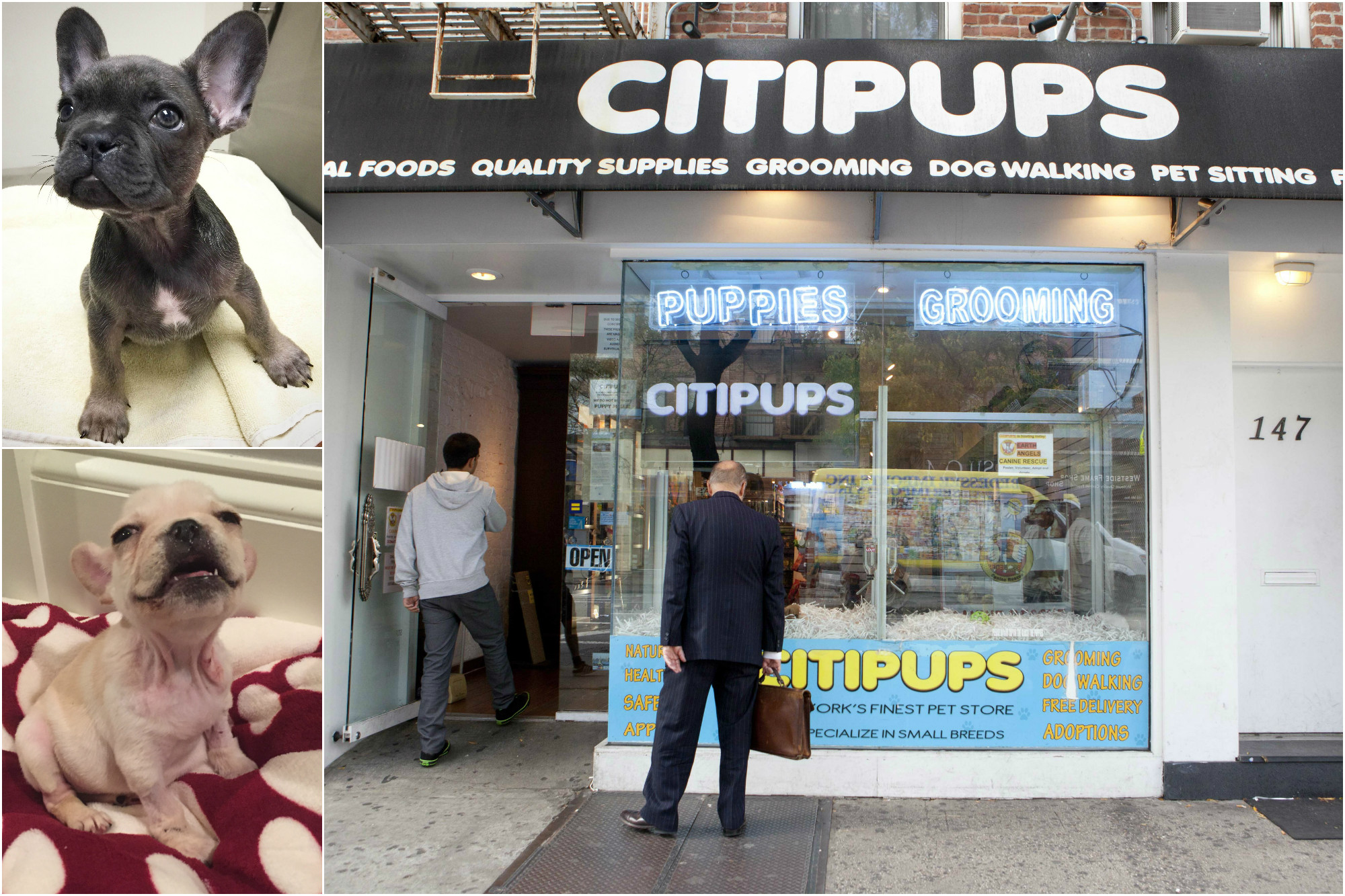
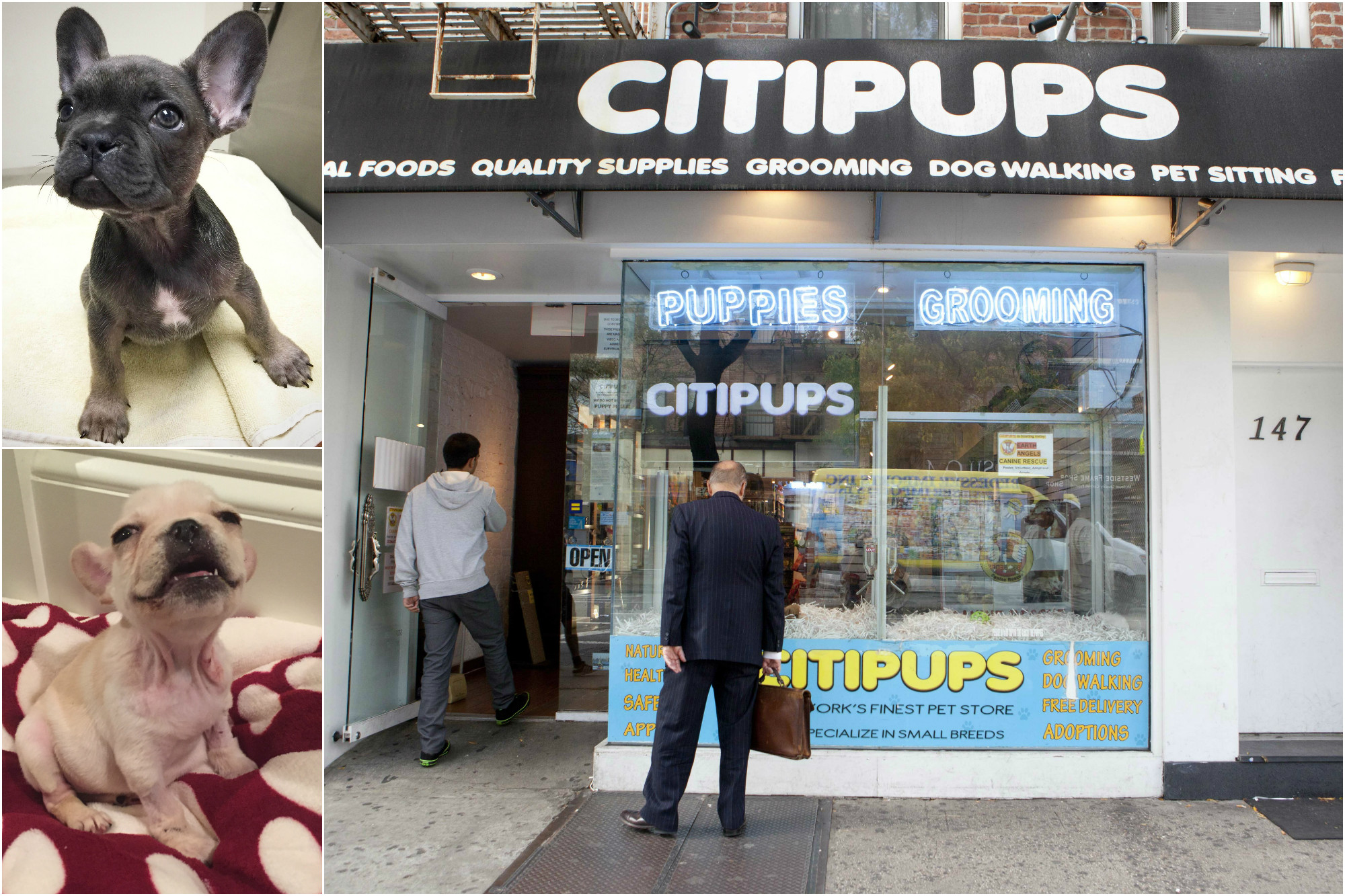
Major cities, celebrated for their dynamic culture and fast-paced lifestyle, host a wide range of businesses, including numerous pet stores. These outlets have become popular stops for animal lovers hoping to welcome a new companion into their homes. Yet the existence of such stores has triggered debate about ethical sourcing and the need for responsible guardianship. This article explores how pet stores influence local communities, outlines the moral questions they raise, and underscores the value of informed, compassionate ownership.
The Role of Pet Stores in Urban Centers
1. Offering a Variety of Breeds
Pet stores typically showcase an array of dog breeds, allowing prospective guardians to choose an animal that matches their energy level, living space, and family situation. This selection can simplify the search for a compatible lifelong friend.

2. Partnering with Breeders
Many shops collaborate with regional breeders to maintain a steady supply of purebred puppies. When handled transparently, these partnerships can help preserve breed histories and support responsible breeding standards.
3. Educating the Public
Reputable outlets often distribute care guides, training tips, and veterinary resources. By sharing this information, they encourage new owners to prepare for the financial, emotional, and time commitments that a puppy entails.
Ethical Concerns Surrounding Pet Stores
1. Commercial Breeding Conditions

The greatest worry is the possibility that some stock comes from high-volume facilities focused more on profit than welfare. Animals raised in crowded or unsanitary settings may face health and behavioral challenges later in life.
2. Breeding Practices
Without rigorous health and temperament screening, repeated breeding can perpetuate hereditary illnesses and contribute to overpopulation. Stores that overlook these safeguards risk flooding the market with vulnerable animals.
3. Pressure on Shelters
Every puppy sold through retail channels potentially reduces the chance that a shelter dog will find a home. Municipal shelters already operate near capacity, so additional competition can lengthen stay times and strain limited resources.
The Importance of Responsible Pet Ownership
1. Adopting from Shelters
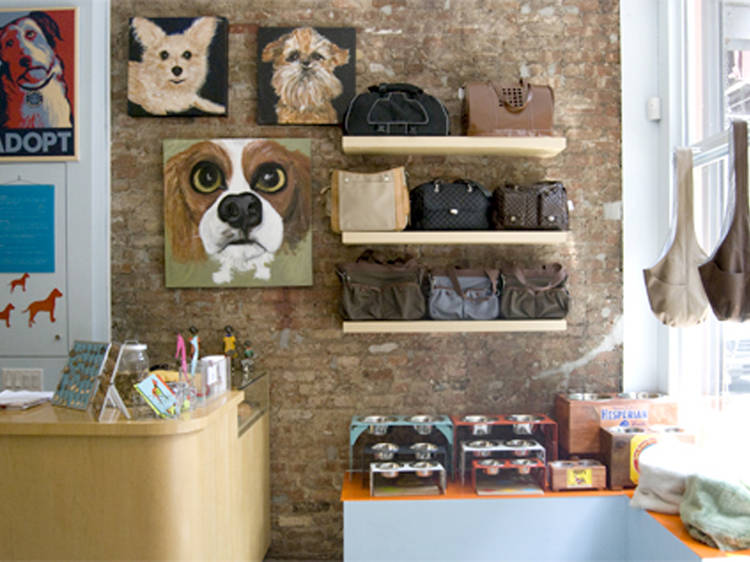
Choosing a rescue dog saves a life and opens shelter space for another animal in need. Adoption fees also fund vaccinations, spay/neuter services, and community outreach programs.
2. Providing Training and Care
Daily exercise, mental stimulation, balanced nutrition, and routine vet visits form the backbone of good guardianship. Consistent, positive training builds trust and prevents future behavioral issues.
3. Spaying and Neutering
These routine surgeries curb unwanted litters, lower the risk of certain cancers, and often reduce roaming or aggression, creating safer neighborhoods for both pets and people.
Conclusion
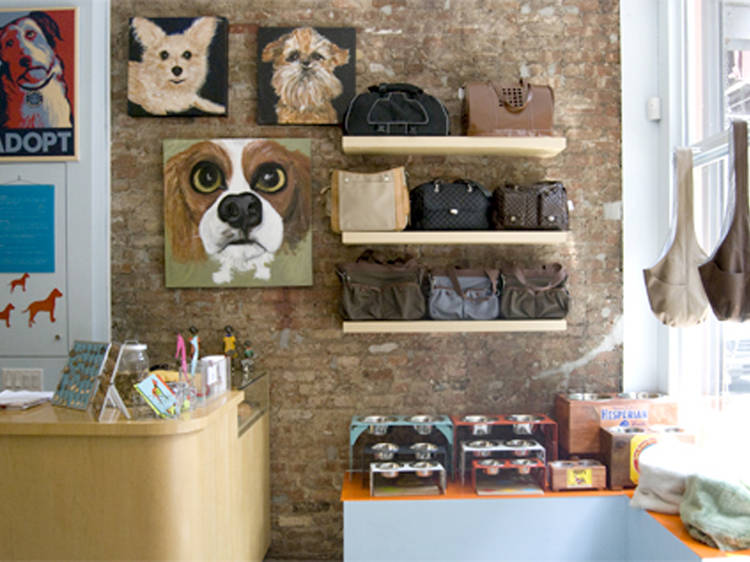
Urban pet stores offer convenience and variety, yet they also highlight ethical dilemmas tied to sourcing and shelter overcrowding. Prospective owners can tip the balance toward compassion by researching a store’s supply chain, considering adoption first, and committing to lifelong care. Collectively, these choices foster healthier animals and more humane communities.
Recommendations and Future Research
To mitigate ongoing concerns, stakeholders can pursue the following actions:
1. Enforce transparent welfare standards for all retail pet outlets, including mandatory inspections and traceable breeder records.
2. Launch city-wide campaigns that highlight adoption benefits and outline the true costs of raising a pet.
3. Expand funding and volunteer programs for local shelters, enabling them to provide medical care, behavioral rehabilitation, and adoption events.
Future studies should examine:
1. Long-term trends in shelter intake and adoption rates relative to retail sales.
2. The effectiveness of legislation that limits or regulates commercial puppy sales.
3. Innovative partnerships between pet stores and rescue groups that steer customers toward adoption while still offering supplies and guidance.
By combining stricter oversight with public education, cities can cultivate a more ethical, sustainable companion-animal ecosystem.