Introduction
Many shoppers wonder whether cats can be bought at the well-known pet-supply chain PetSmart. The retailer carries almost everything a pet parent might need, yet live cats are absent from its shelves. This piece looks at why that is, what it means for would-be adopters, and how the choice fits into wider industry patterns.
The PetSmart Business Model
PetSmart earns revenue by selling food, toys, habitats, grooming, and vet services for companion animals. While you will find fish, birds, and small critters in many locations, the company has chosen not to include cats in its live-animal inventory.
The Decision Not to Sell Cats
Several factors shaped the policy. Cats need quiet, stable surroundings and daily human interaction—conditions that are hard to guarantee inside a busy store. Selling kittens or cats can also add to overpopulation and may encourage impulse purchases that end in relinquishment.
Ethical Considerations
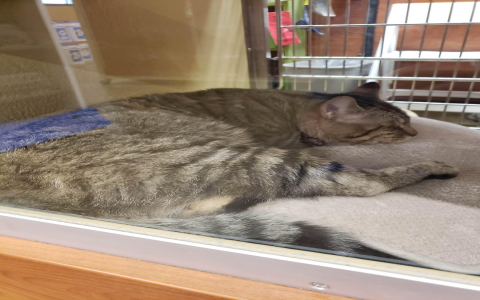
Because felines form strong social bonds and have delicate health, animal-welfare groups caution against treating them like merchandise. Keeping cats in display enclosures for long hours can heighten stress and increase the risk of illness.
Alternatives for Cat Adoption
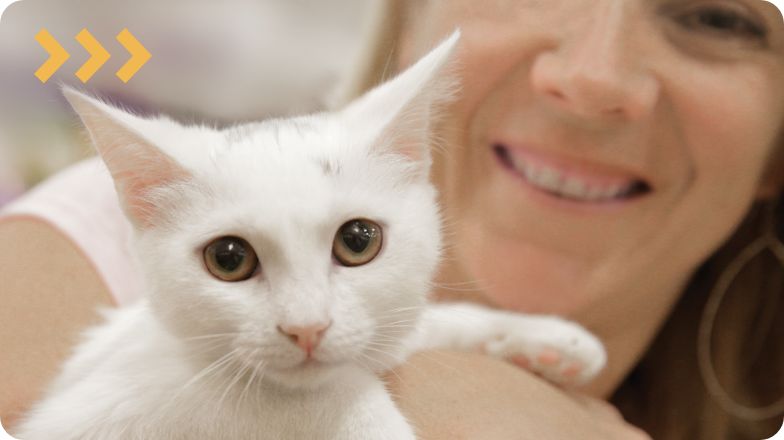
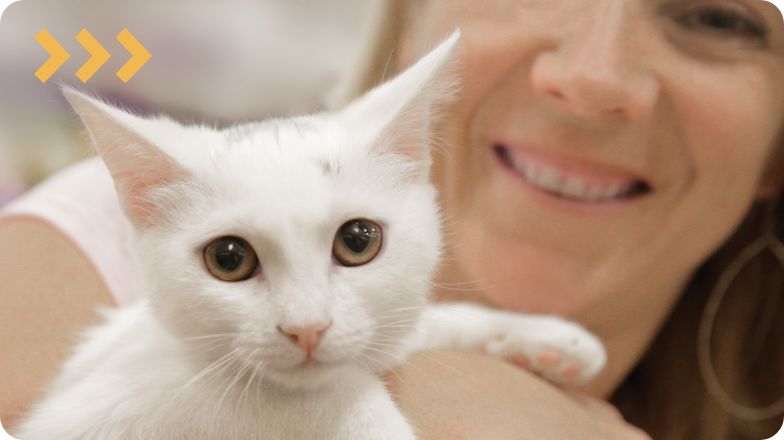
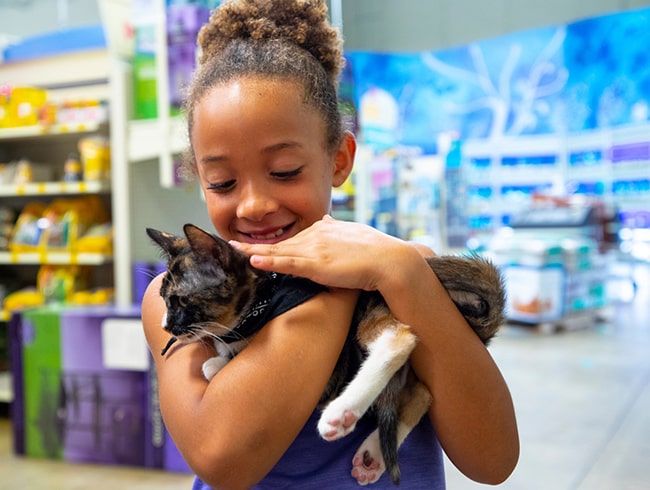
Instead of sales, PetSmart hosts weekend adoption drives run by nearby shelters and rescue networks. Visitors can meet adult cats and kittens, complete an application on site, and take home a new pet that has already been vaccinated and spayed or neutered.
Customer Perspectives
Reactions are split. Some patrons applaud the focus on adoption and the support given to local nonprofits. Others wish they could simply buy a cat along with a bag of litter, viewing the process as faster and more convenient.
The Broader Context of Pet Retailing
Across the industry, stores are moving away from stocking puppies and kittens. The pivot toward services, supplies, and adoption events reflects rising concern for animal welfare and a desire to reduce the number of pets entering shelters.
Research and Studies
Surveys comparing retail purchases with shelter adoptions show that cats obtained through rescue groups are less likely to be returned within the first year, suggesting that pre-adoption counseling and matching play a protective role.
Conclusion
PetSmart does not sell cats, a stance rooted in welfare considerations and industry trends. By partnering with shelters, the company offers customers a responsible path to adoption while helping alleviate feline overpopulation. Choosing adoption supports these efforts and gives cats a second chance in a permanent home.
Recommendations and Future Research
Long-term studies tracking cats adopted at in-store events could reveal how well the model works. Meanwhile, prospective owners are encouraged to adopt from shelters or rescues, and retailers can keep refining programs that place animal well-being ahead of quick sales.