



The Importance of a Neighborhood Pet Store: A Practical Guide
Introduction
Sharing life with an animal companion has become a cherished routine for households everywhere. A nearby pet store quietly becomes part of that routine, turning last-minute needs into a short walk rather than a planned expedition. This guide looks at why proximity to a friendly pet shop matters for daily care, local spirit, and the overall joy of having pets.
The Convenience of a Neighborhood Pet Store
Convenience in Pet Care
When the food bag runs low or a favorite toy finally gives up, a short trip to the corner store keeps tails wagging and whiskers purring. Busy parents, seniors, or anyone juggling deadlines can pick up food, treats, or a new leash within minutes, sparing both petrol and patience.
Most owners name convenience as the top reason they remain loyal to a particular store; easy access means consistent meals, timely grooming, and fewer stressful car rides for animals who dislike long journeys.
Community Building
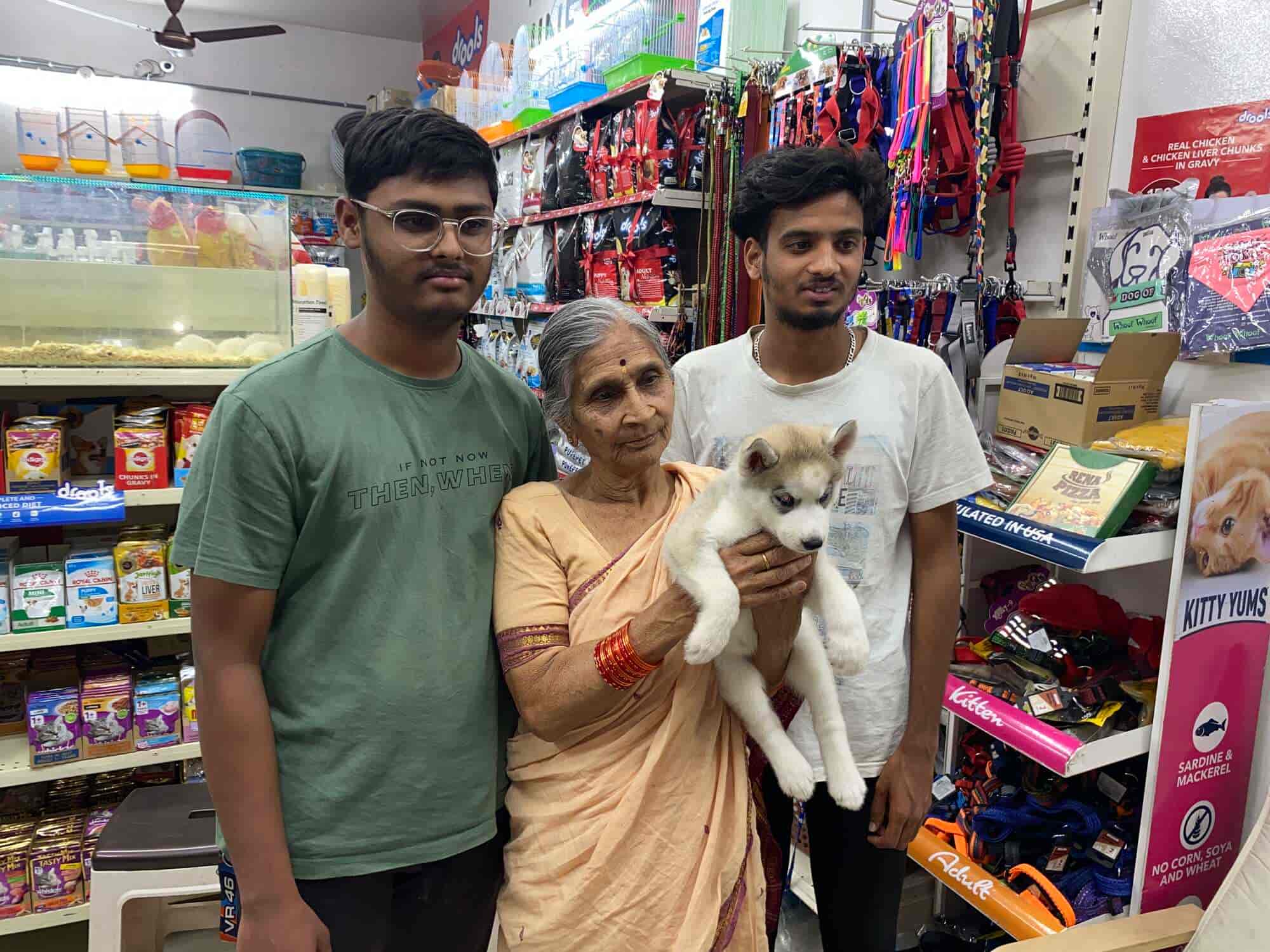
Neighborhood pet stores double as informal social clubs. While kibble is weighed and collars compared, owners trade training tips, vet recommendations, and stories of couch cushions that barely survived puppy teeth. These casual chats weave a support net that new pet parents especially value.
Weekend meet-ups—perhaps a photo booth for adopted cats or a “how to brush your rabbit” demo—turn the shop into a tiny town square, strengthening bonds among residents and reinforcing responsible care habits.
The Impact on Pet Health
Access to Quality Products
Freshness matters: food kept in climate-controlled shelves and rotated often protects digestion and energy levels. Nearby stores that stock reputable brands, natural treats, and species-appropriate toys spare owners the guesswork of online reviews and delayed shipping.
Being able to read labels in person, feel the texture of a chew, or ask about calorie counts helps guardians match products to age, weight, and medical needs without waiting for a courier.
Professional Advice
Well-trained staff notice if a usually cheerful golden retriever drags its paws or if a cat’s coat has lost shine. Their gentle questions often prompt vet visits that catch issues early. Quick, face-to-face guidance—how to switch foods gradually, which brush prevents hairballs—translates veterinary jargon into everyday steps.
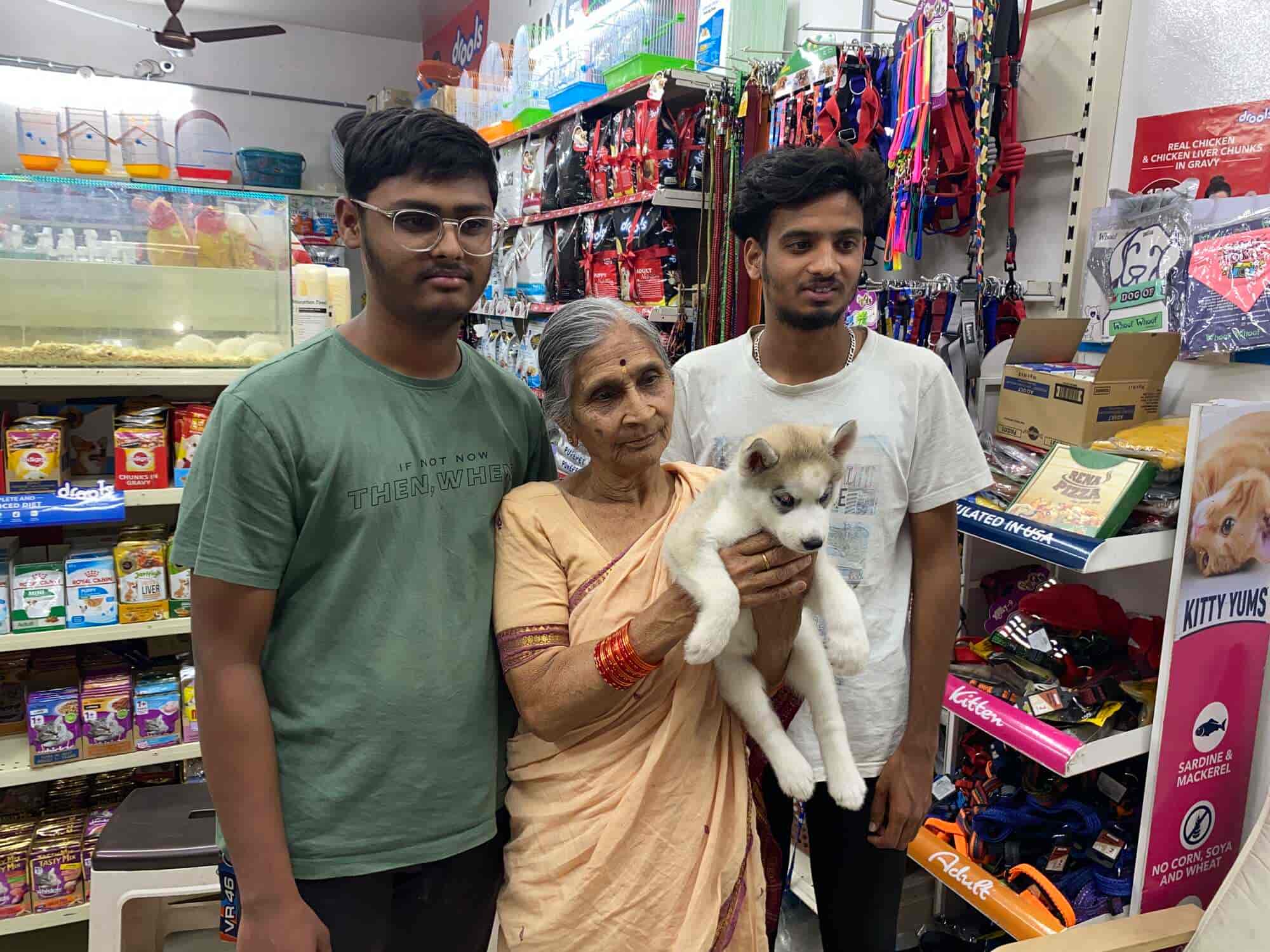
First-time owners especially benefit from these living FAQs, reducing trial-and-error that can stress both pet and pocketbook.
The Economic Impact
Supporting Local Businesses
Dollars spent locally recycle through the neighborhood: the store pays rent to a nearby landlord, hires local teens to stock shelves, and sources biscuits from a regional bakery. A thriving shop keeps foot traffic alive for cafés and bookstores that share the block, creating a livelier, safer street for evening walks.
Encouraging Responsible Pet Ownership
Posters about licensing, leaflets on winter paw care, and free nail-trim days quietly educate shoppers. When accurate information sits right beside the chew toys, impulse purchases are more likely to include a sturdy leash or identification tag rather than a cute but breakable trinket.
Consistent, gentle messaging—adopt, spay, vaccinate—seeps in through friendly conversation rather than lecture, raising the baseline of care across the whole community.
Conclusion
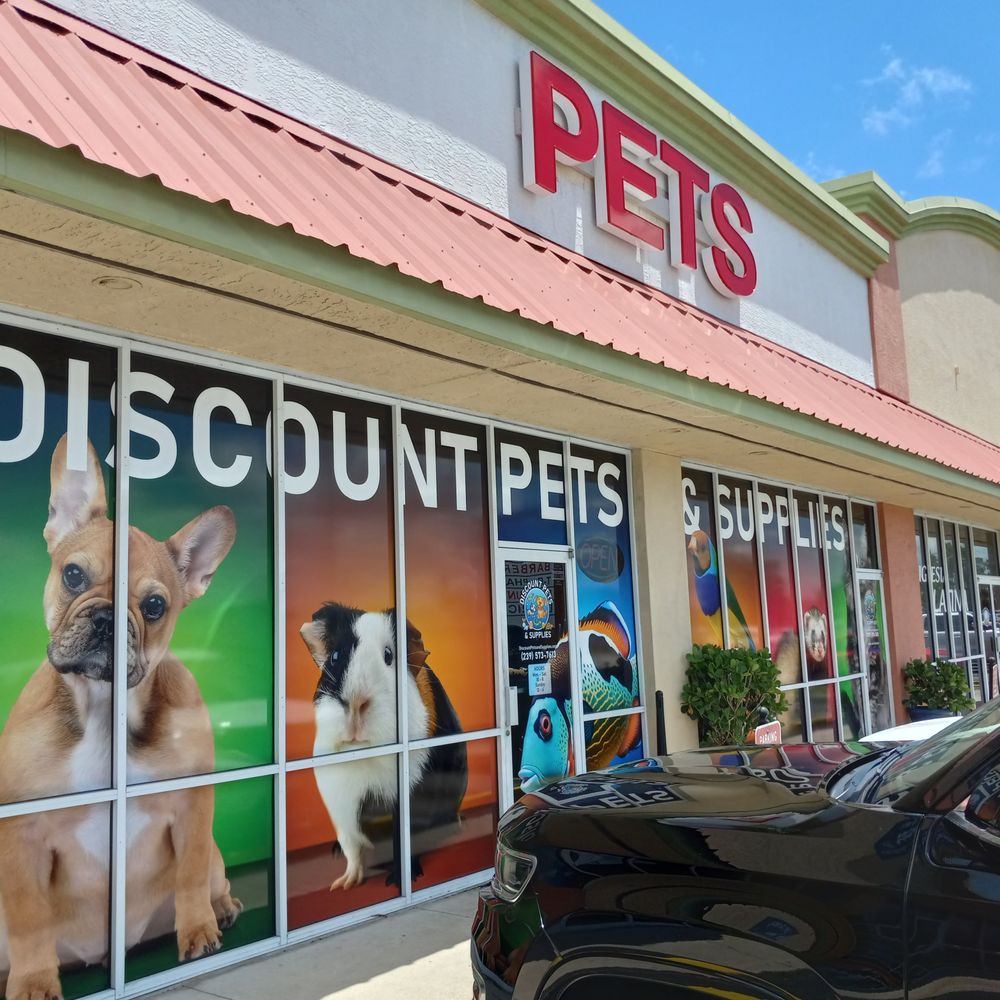
A neighborhood pet store is more than a retail outlet; it is a convenience hub, a health ally, and a social glue. By keeping essentials close, advice honest, and community events lively, these shops help animals thrive and owners feel supported. Sustaining them sustains a cycle of wellbeing that benefits every sidewalk and sofa in town.
Recommendations and Future Research
To keep the benefits growing, consider these steps:
1. Municipalities can streamline permits and offer micro-grants for independent pet stores in areas currently underserved.
2. Store owners can partner with shelters for monthly adoption days and share care brochures with every purchase.
3. Universities and trade groups can continue studying nutrition, enrichment toys, and stress-free store layouts, sharing findings so local shops stay ahead of best practices.
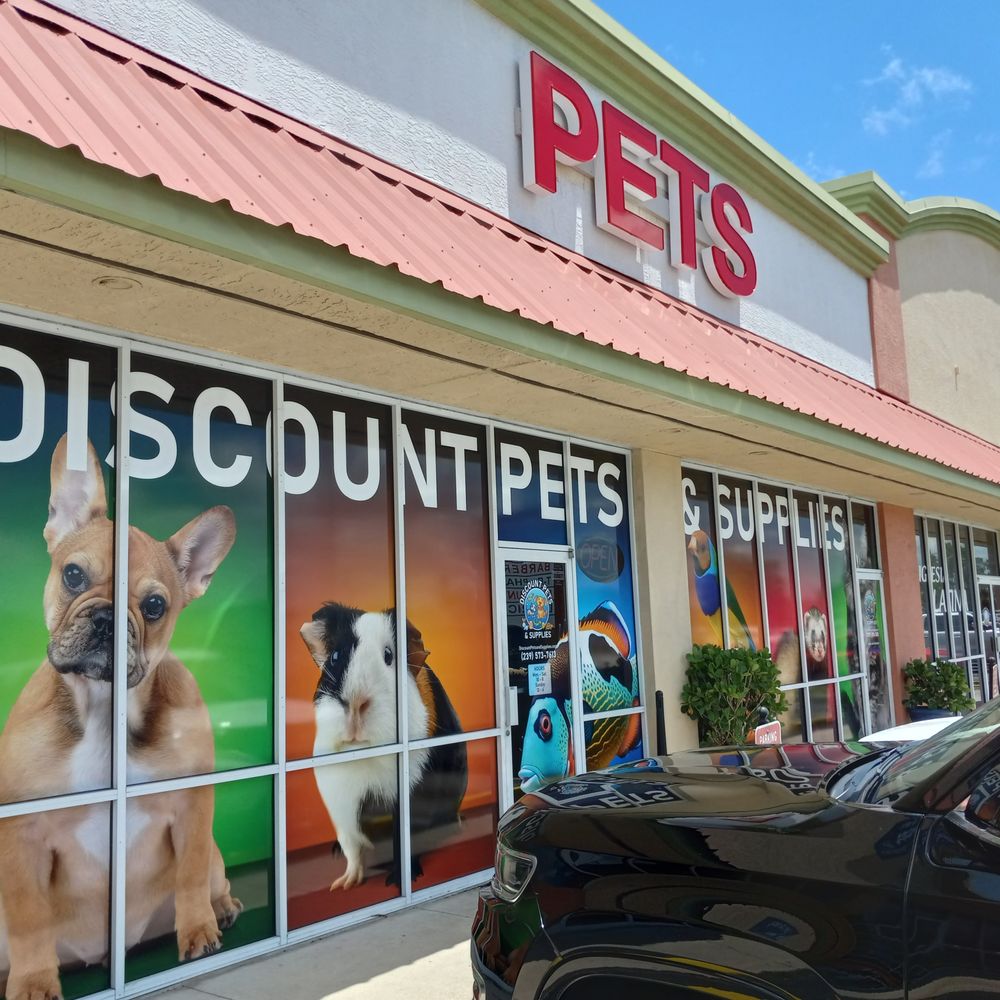
Together, these measures ensure that the simple act of walking to the corner for kibble remains a cornerstone of happy pets and connected neighborhoods.


