The Dachshund Crossed with Jack Russell: A Comprehensive Analysis
Introduction
The Dachshund-Jack Russell blend, often nicknamed the “Jackshund,” has become increasingly popular among families who want a small, spirited dog. By combining the elongated silhouette of the Dachshund with the boundless energy of the Jack Russell, this cross usually produces a bright, loyal, and playful companion. The following overview explores the background, appearance, personality, health considerations, and day-to-day needs of this engaging hybrid.
Background
Dachshunds were originally bred in central Europe to trail scent underground, while Jack Russells were developed across the channel as quick, tenacious foxing partners. When these two historic hunting breeds are paired, the resulting litter inherits generations of instinctive drive and curiosity. Deliberate mixing began only in recent decades, yet the combination quickly attracted owners who value both versatility and charm.
Appearance

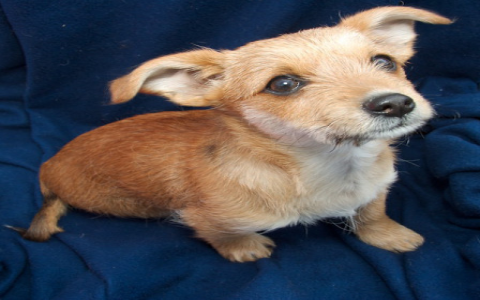
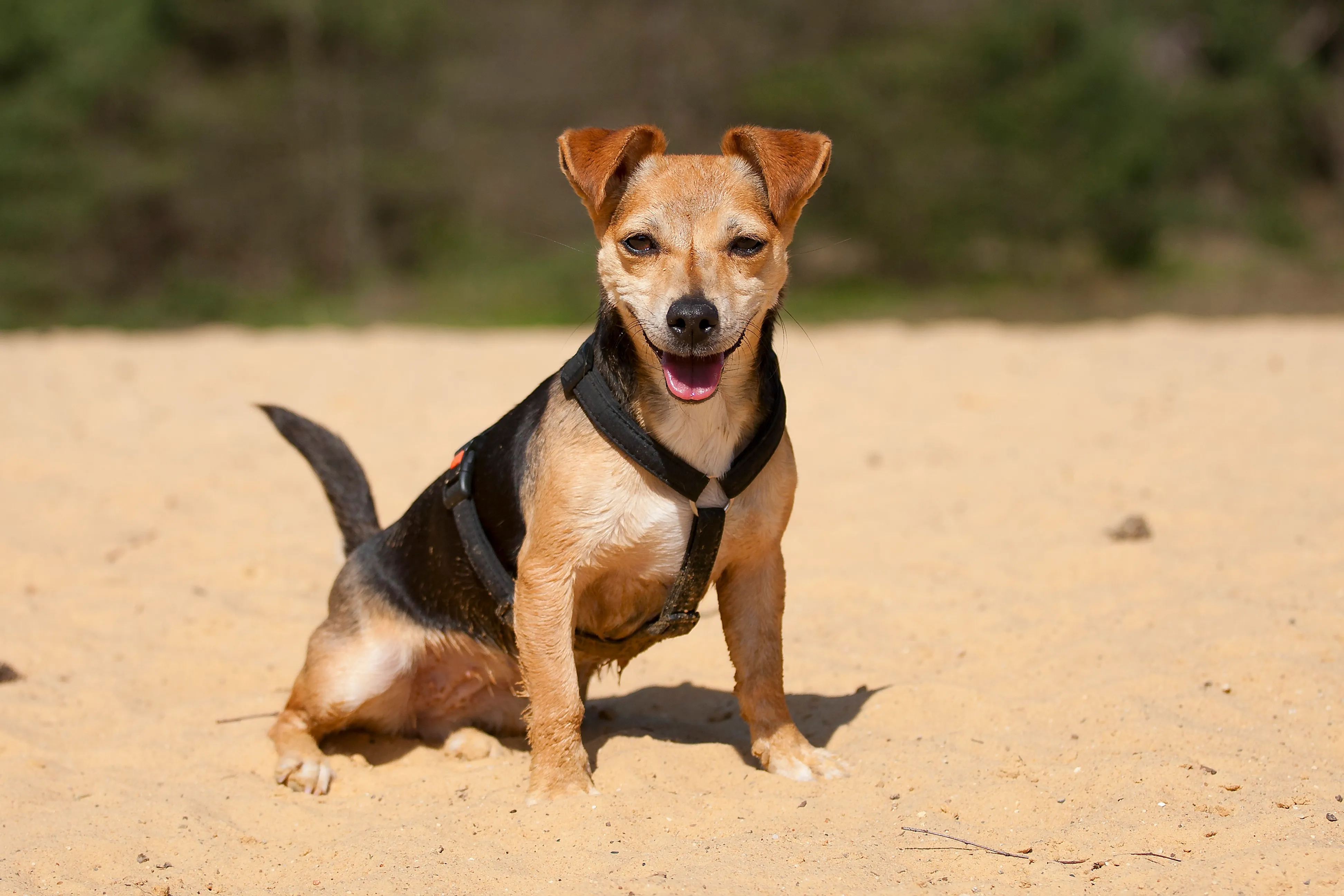
Most Jackshunds weigh between 5 and 14 kg and stand low to the ground thanks to the Dachshund’s signature frame. The coat may be smooth, broken, or rough, and color options range from classic black-and-tan to tricolor or pied. Dark, almond-shaped eyes and folded or semi-prick ears give the dog an alert, intelligent expression, while the tail is typically carried high with a slight curve.
Personality
Expect a lively, inquisitive little dog that thrives on activity and human company. Jackshunds learn routines quickly and usually excel at interactive games, scent work, or mini-agility courses. Their bold nature makes them excellent watchdogs, but early socialization is important to prevent excessive barking or bossiness. Because they bond strongly, they do best in households where someone is present for much of the day.
Health Notes
Although cross-breeding can widen the gene pool, prospective owners should still watch for conditions common to the parent breeds:
– Back issues: long-spined dogs can be prone to disc strain.

– Joint problems: patellar luxation or hip irregularities sometimes appear.
– Skin sensitivities: occasional allergies may lead to itching or ear trouble.
Keeping the dog at a healthy weight, providing ramps instead of jumps, and scheduling routine vet visits are simple steps that support long-term wellbeing.
Daily Care
A brisk 30–45 minute walk twice a day, plus puzzle toys or training games, will satisfy most Jackshunds. Secure fencing is essential, because their hunting instincts can override recall when a squirrel is involved. Coat care is straightforward: a weekly brush for smooth varieties, two or three sessions for rough coats. Finally, consistent, reward-based training channels their clever mind and prevents nuisance digging or barking.
Conclusion
The Jackshund offers a convenient size, an endearing personality, and enough energy to keep life interesting. With balanced exercise, gentle guidance, and preventive healthcare, this crossbreed can be a cheerful, long-lived member of an active household.
Looking Ahead
Continued observation of hybrid dogs will help clarify which traits remain stable across generations and how best to support their physical and behavioral health. As interest in thoughtful cross-breeding grows, sharing knowledge among owners, vets, and trainers will ensure these lively companions lead happy, safe lives.