


Title: How Dog-Centric Print Ads Shape Shopper Choices
Introduction:
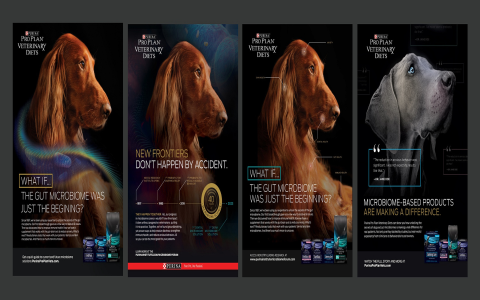
Print ads starring dogs have moved from novelty to mainstream. By placing canines at the heart of layouts, brands spark warm feelings and invite longer looks. This piece examines why the four-legged formula works, weaving together psychology and campaign stories.
Understanding Dog-Centric Print Ads
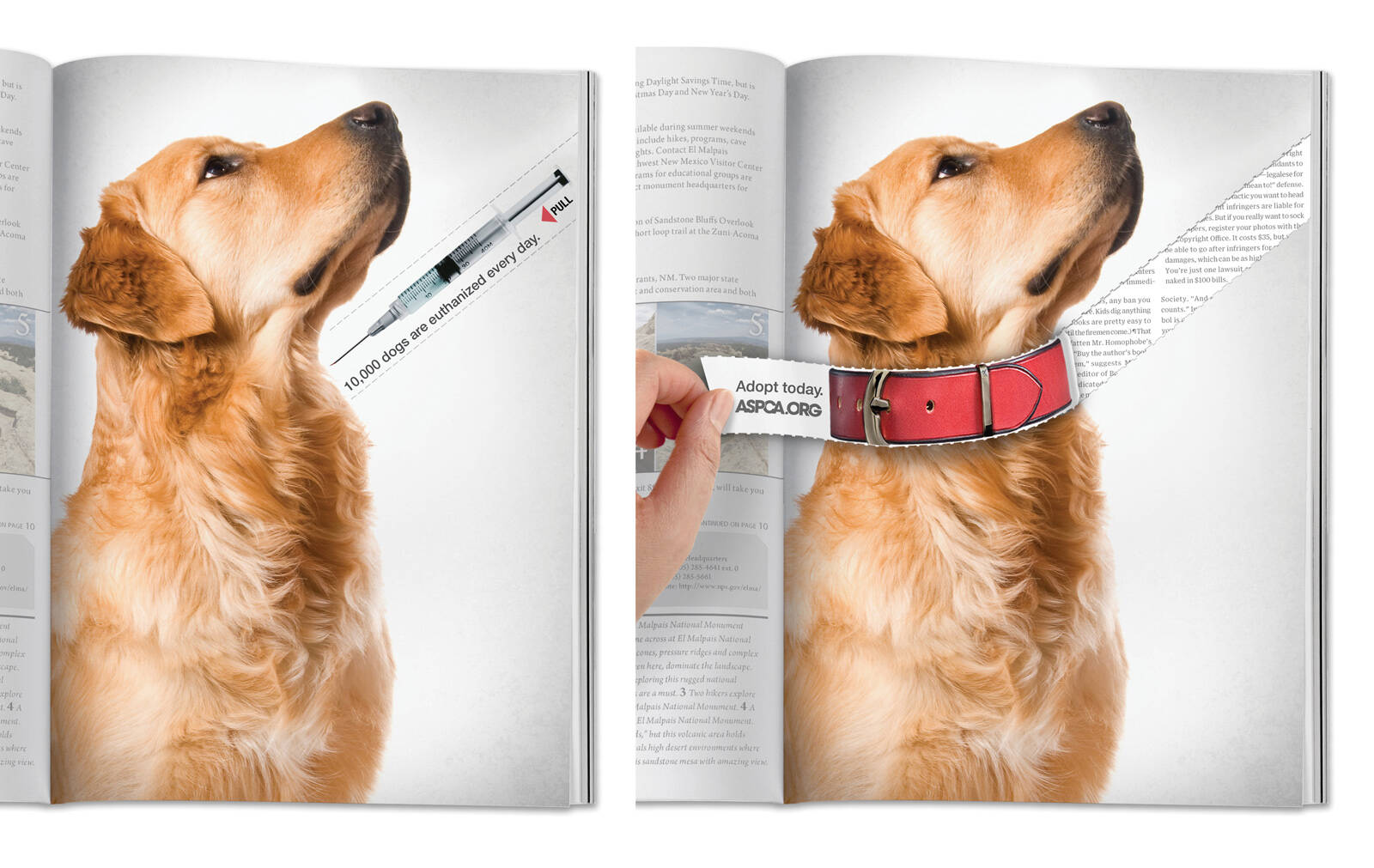
These ads give dogs the spotlight—romping in parks, lounging on sofas, or gazing trustingly at the camera. The approach is not new, yet its surge mirrors society’s deepening affection for pets and the booming market for everything furry-friend related.
The Emotional Connection
Dogs trigger instant warmth. Viewers transfer that goodwill to whatever sits beside the pup on the page. Studies confirm that positive affect boosts recall and tilts purchase intent in the brand’s favor.
One experiment showed participants a pair of identical layouts; the version with a dog generated markedly higher ratings of happiness and trust, key drivers of loyalty.
The Power of Social Proof
A dog in the frame acts like a silent testimonial. Consumers read the scene as “If this brand is good enough for a loyal companion, it’s good enough for me.” That perceived endorsement lifts credibility without a single spoken word.
Follow-up surveys reveal that ads featuring dogs score higher on trust metrics than dog-free counterparts, reinforcing the persuasive pull of a wagging tail.
The Role of Dogs in Brand Identity
When a company consistently pairs its logo with a canine character, it borrows traits people associate with dogs—fidelity, warmth, approachability. Over time, the animal becomes a shorthand for the brand’s promise.
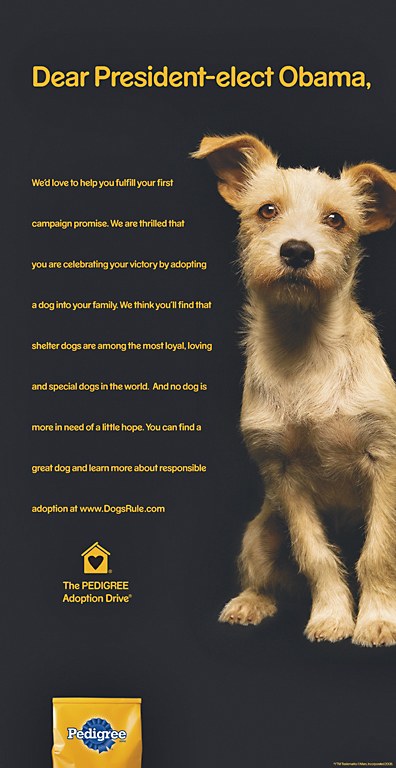
A pet-food label, for instance, built its visual language around adopted shelter dogs, aligning every shelf-facing ad with its mission of care and community.
Case Studies
A snack brand introduced a playful spaniel that “shared” treats with owners; the mascot lifted aided recall by double digits and coincided with a steady sales uptick.
Meanwhile, an annual beverage spot starring a steadfast retriever became a seasonal tradition. Each year’s installment trends on social channels, extending the life of the print buy and deepening emotional equity.
Conclusion
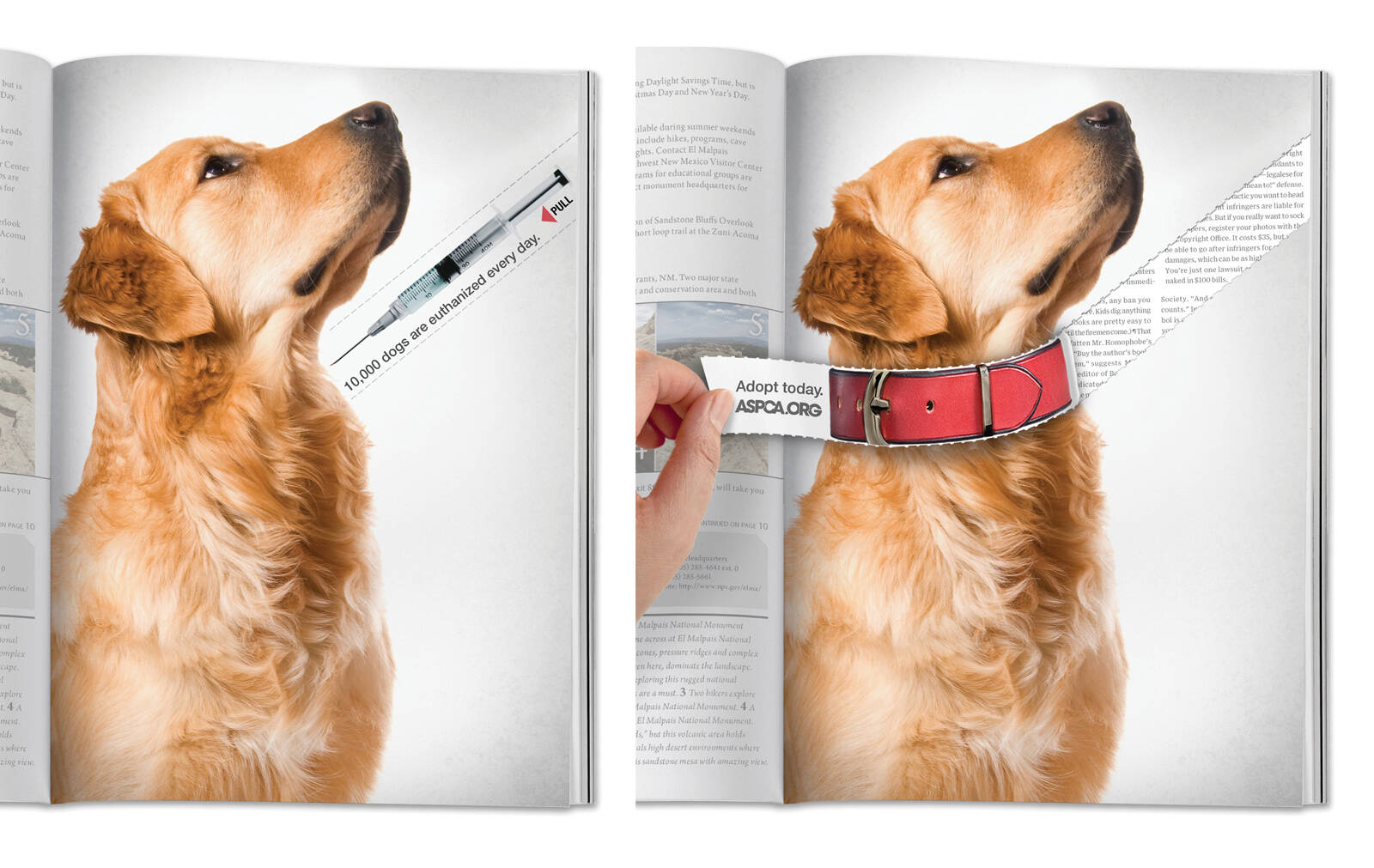
Dog-centered print ads succeed because they fuse emotion, trust, and identity into a single glance. As long as people love dogs, the format will keep paying dividends in attention, affection, and ultimately action.
Smart marketers will keep refining the craft—choosing breeds, settings, and stories that mirror the values of the people they hope to welcome through the door.
Recommendations and Future Research
To squeeze more value from canine creativity, teams should:
1. Match the mutt to the market: a sleek greyhound conveys urban speed, while a shaggy sheepdog whispers rural comfort. Align the dog’s vibe with brand personality.
2. Keep it real: audiences spot staged sentiment quickly. Natural lighting, candid poses, and authentic scenarios outperform glossy clichés.
3. Measure what matters: track uplift in recall, sentiment, and sales, then iterate. Even small tweaks—ear angle, background color—can shift response.
Scholars can push the field forward by:
1. Running longitudinal tests to see whether warm feelings fade or fortify over multiple campaign waves.
2. Comparing reactions across cultures where dogs carry different symbolic weights, ensuring messages travel well.
With curiosity and careful craft, the humble dog ad will remain a marketer’s best friend.


