


The Impact of Pet Store Advertising on Pet Ownership and Shopping Habits
Introduction
The pet sector has expanded rapidly as owners look for premium food, toys, and services for their companions. Large specialty chains now rely on targeted marketing to stand out in a crowded market. This article examines how in-store and digital promotions shape the choice to welcome a pet and guide everyday purchase decisions.
The Role of Pet Store Promotions
Eye-catching posters, social videos, and email flyers introduce new merchandise while reinforcing brand identity. By studying the tone and imagery of these messages, we can see how they steer shopper interest and, ultimately, basket size.
1. Emotional Storytelling
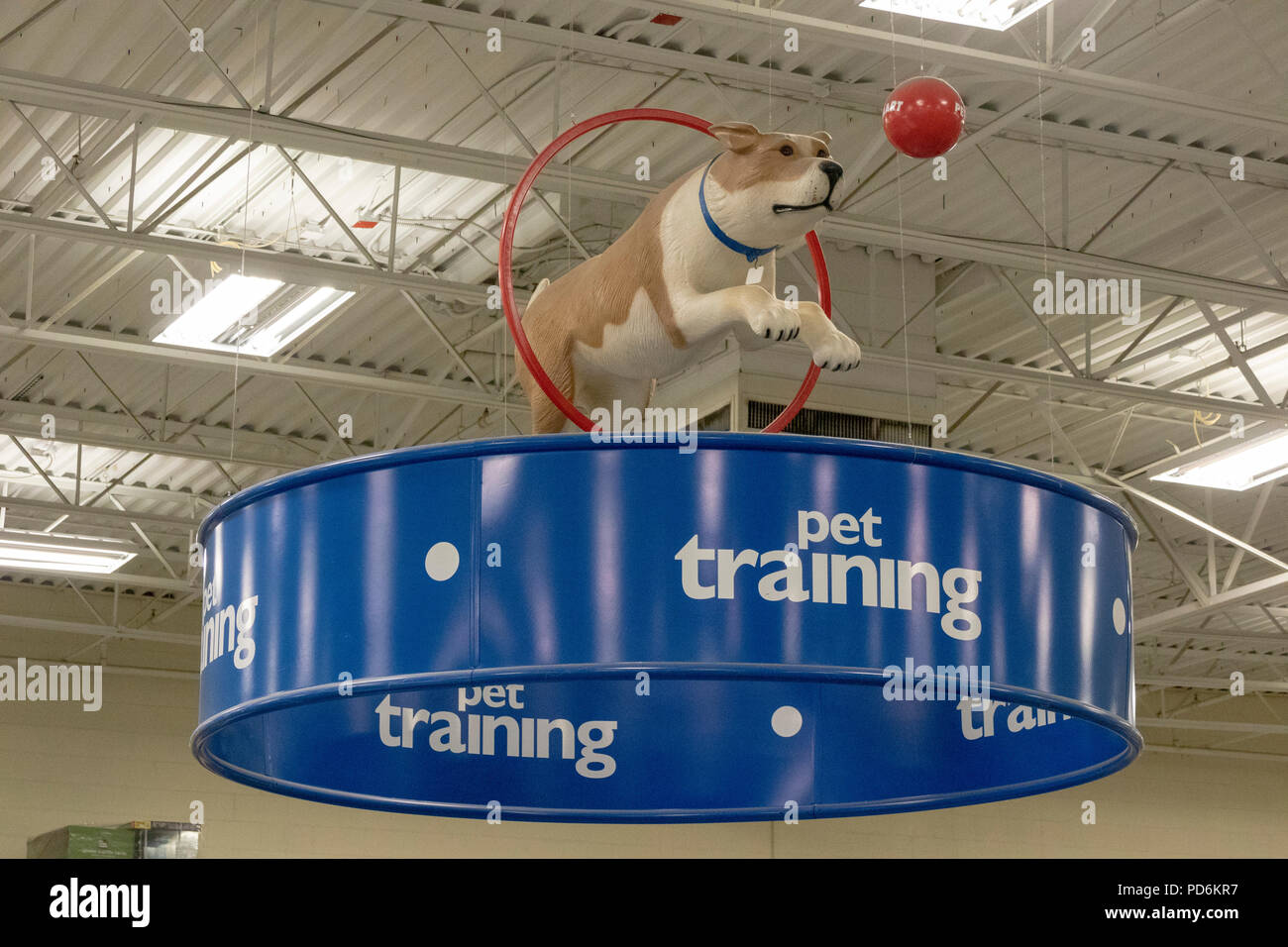
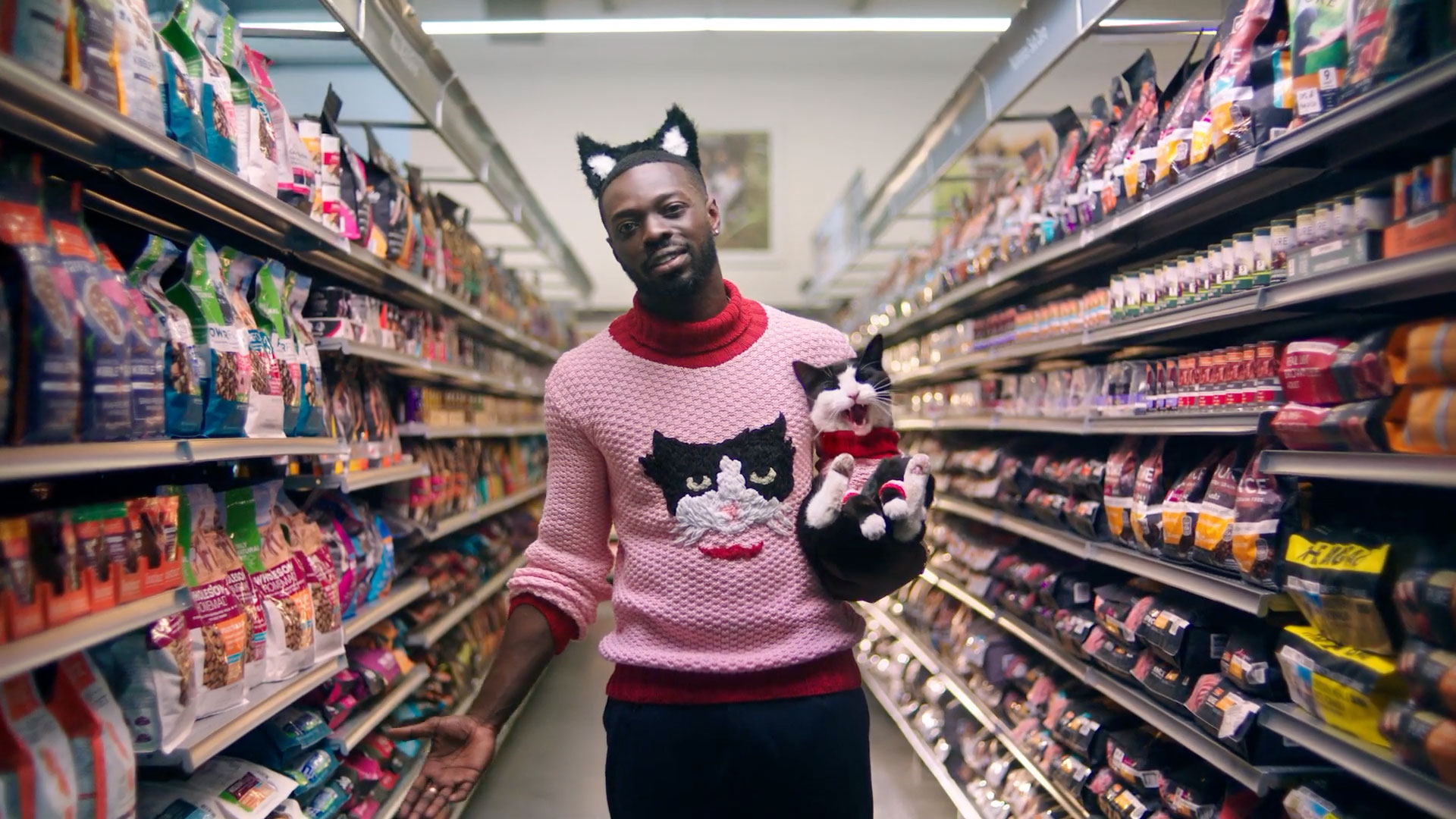
Many campaigns open with a playful kitten or a tail-wagging rescue dog that finds a loving home after visiting the store. These short narratives create warm feelings and subtly suggest that buying supplies is part of responsible guardianship.
2. Product Spotlights
Ads frequently zoom in on grain-free kibble, durable chew toys, or eco-friendly litter. Clear visuals of ingredients, safety labels, and happy pets help owners judge quality at a glance and feel confident about their selections.
3. Limited-Time Offers
Flash sales on grooming or “buy one, get one half-off” on treats create urgency. Shoppers who arrive for the deal often add extra items to their carts, lifting overall revenue while giving customers a sense of smart saving.
The Impact on Pet Ownership
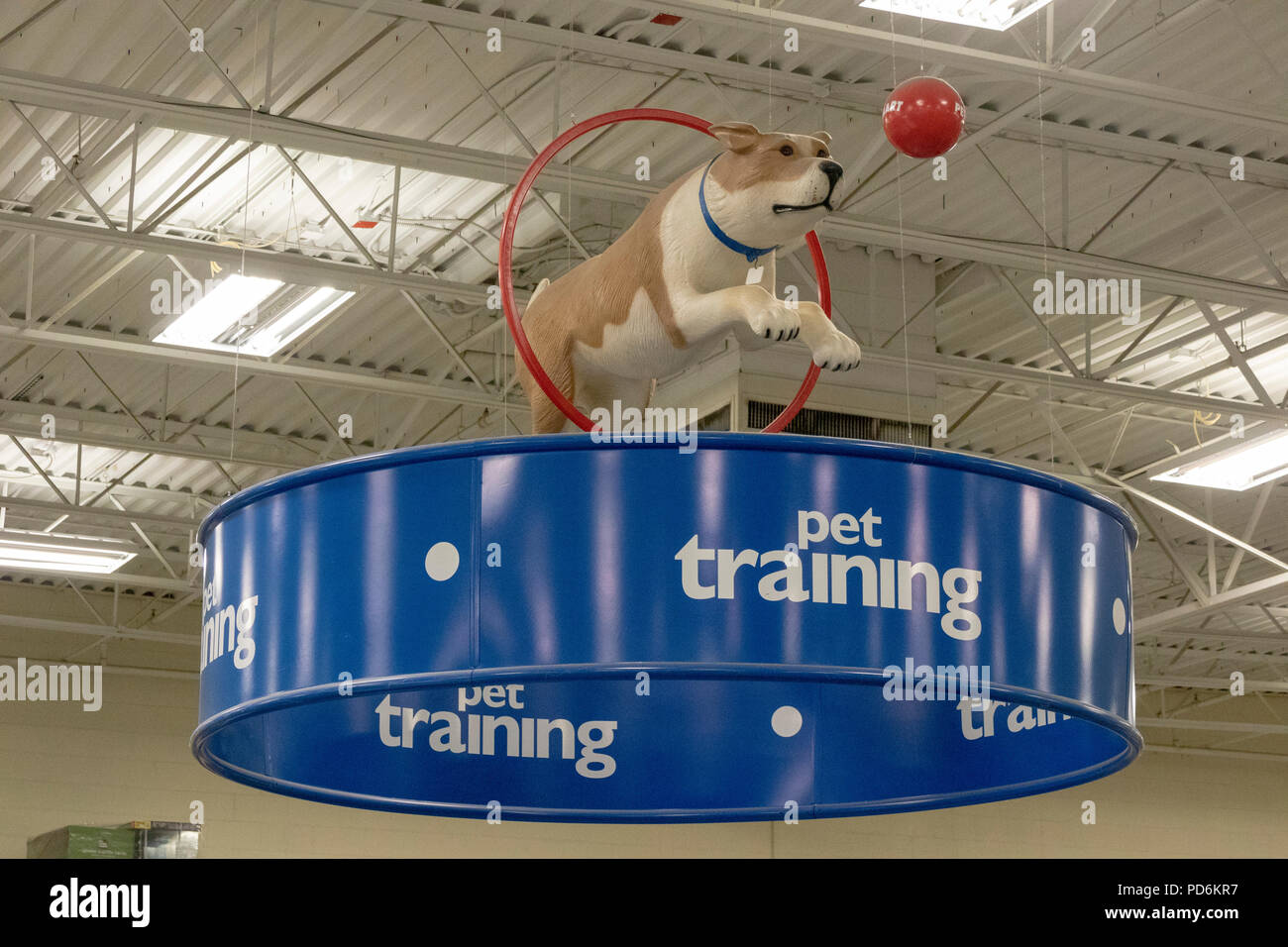
Promotions do more than move inventory; they can tip the scale toward bringing an animal home.
1. Encouraging Adoption
Posters that feature shelter partnerships and waived adoption fees motivate families to adopt rather than shop. Industry surveys note a steady rise in adoption rates in regions where stores host weekend meet-and-greet events.
2. Guiding Pet Selection
By showcasing everything from low-maintenance fish to energetic puppies, ads educate first-time owners about space, time, and budget needs. This guidance reduces impulse buys and improves the match between lifestyle and species.
The Impact on Consumer Behavior
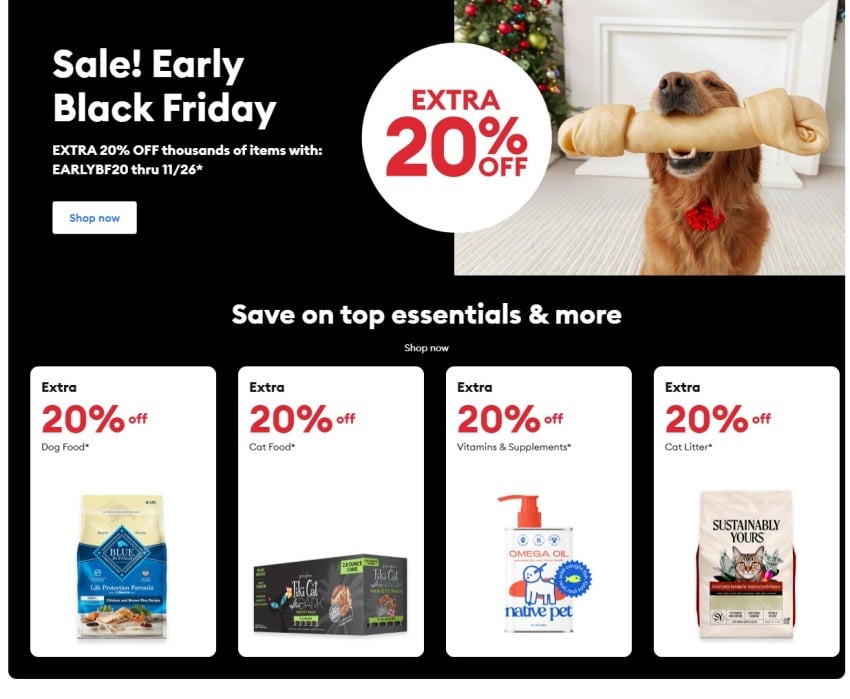
Once a pet is home, well-timed messages continue to shape spending patterns.
1. Building Loyalty
Consistent emphasis on health, safety, and community programs fosters trust. Shoppers return to the same retailer for repeat purchases, simplifying their routine and reinforcing brand preference.
2. Driving Sales
Cross-merchandising suggestions—“add a leash to your harness purchase”—lift average transaction values. Loyalty apps that push personalized coupons further boost incremental sales without feeling intrusive.
3. Deepening Engagement
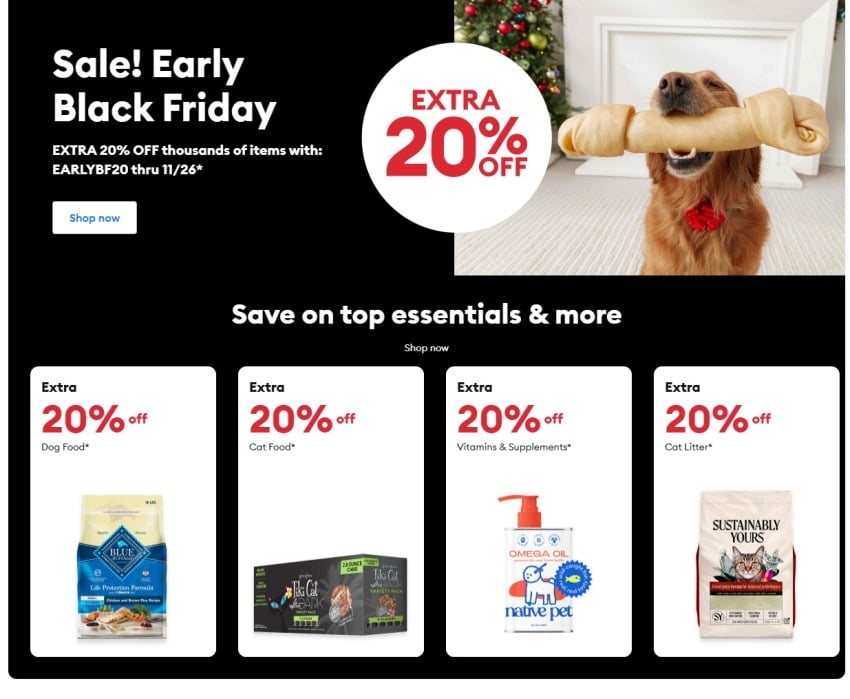
Charity drives, photo contests, and in-store training classes invite owners to interact beyond the cash register. These touch points strengthen emotional bonds and generate free word-of-mouth publicity.
Conclusion
Pet store advertising blends heart-warming stories with practical tips and timely savings. The result is a gentle but effective nudge toward adoption, informed product choices, and lasting brand loyalty—benefiting pets, owners, and retailers alike.
Recommendations and Future Research
To keep the momentum, retailers can refine the following areas:
1. Expand short-form video content that follows real adoption journeys, encouraging viewers to share their own experiences online.
2. Leverage mobile apps to deliver location-based coupons when a shopper nears the store, turning intent into immediate foot traffic.
3. Partner with veterinarians and trainers for co-branded educational posts that position the store as a holistic care hub.
Further studies could track how augmented reality try-ons for collars or virtual aquarium planners affect long-term satisfaction and return rates. Continued experimentation will help marketers serve pets and the people who love them even better.


