Understanding Ferrets in Spanish: A Comprehensive Overview
Introduction
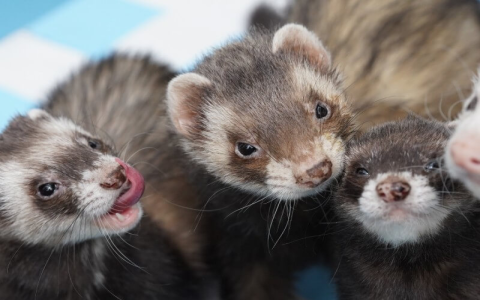
Ferrets, celebrated for their playful and curious personalities, have become beloved companions worldwide. In Spanish-speaking regions they are often called hurones. This overview explores their traits, daily needs, and the place they hold in everyday culture, offering a rounded picture of what makes these animals special.
Characteristics of Ferrets
Appearance
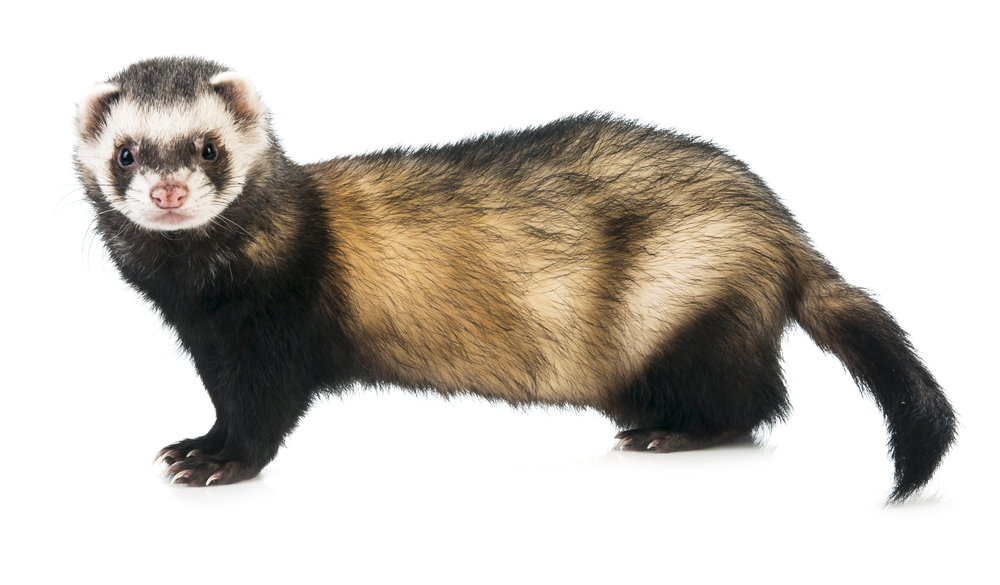
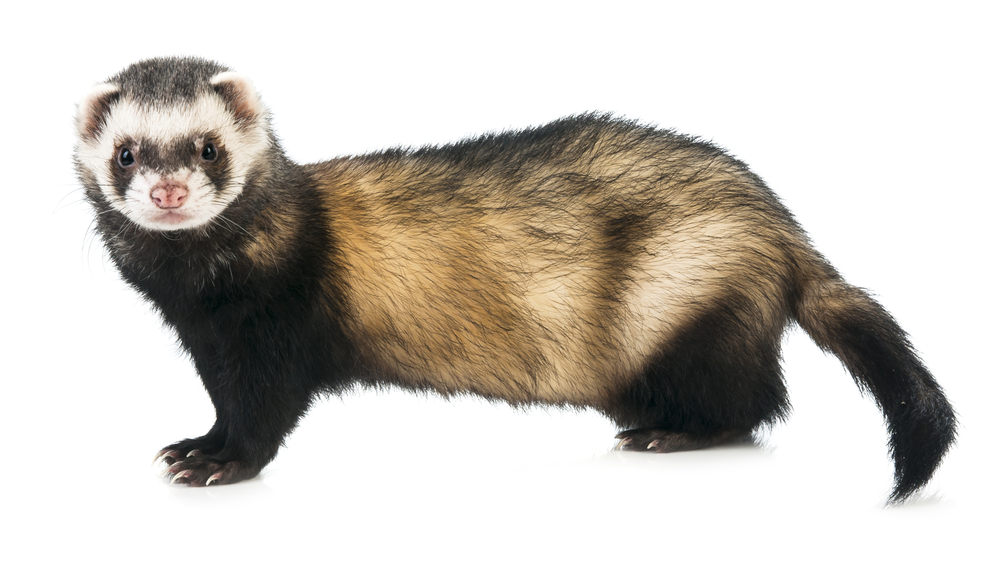
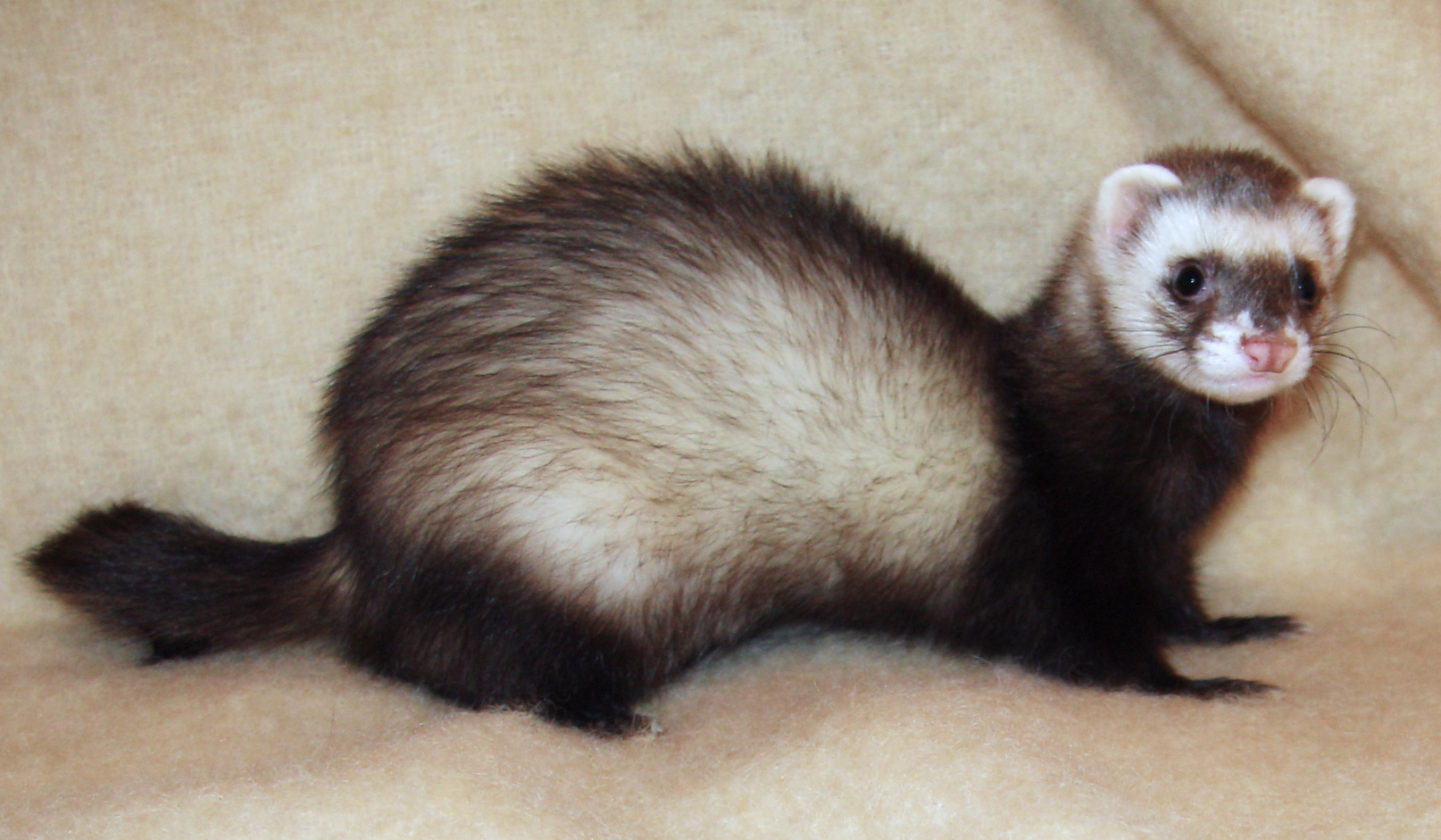
Ferrets are sleek, elongated mammals with a flexible spine and a fluffy tail. Their coats display a wide palette, from snowy white to deep sable, often mixed with unique markings. Bright, alert eyes and an excellent sense of smell help them navigate their surroundings with confidence.
Behavior
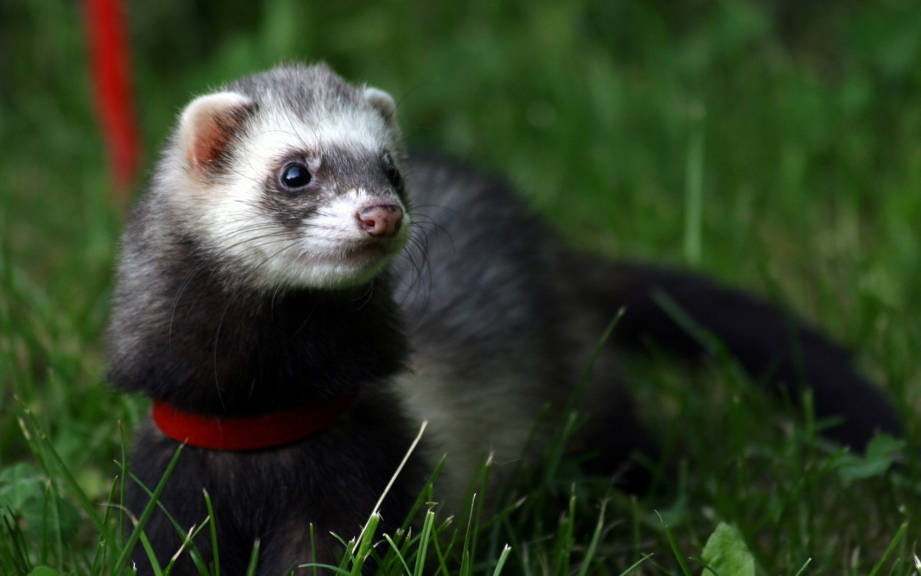
Endlessly energetic, ferrets love to explore, tunnel, and play hide-and-seek. Quick learners, they can master simple tricks and routines. Without enough stimulation they may nip or chew, so a rotating supply of safe toys and daily supervised playtime keeps them happy and your belongings intact.
Lifespan
With attentive care, most ferrets live between six and ten years; some even reach the early teens. Annual vet visits, balanced nutrition, and a calm environment all contribute to a longer, healthier life.
Care for Ferrets in Spanish-speaking Households
Housing
A spacious, escape-proof cage placed in a quiet, draft-free corner forms the heart of a ferret’s home. Multiple levels, soft bedding, and a dark sleeping den mimic their natural preference for burrows. Daily out-of-cage exploration in a ferret-proofed room satisfies their need for exercise.
Diet
As obligate carnivores, ferrets thrive on high-protein, low-fiber meals. Commercial ferret kibble supplemented with small portions of cooked chicken, turkey, or egg keeps their muscles strong. Fresh water must always be available, and sugary or dairy treats are best avoided.
Health
Regular check-ups, yearly vaccinations, and preventive care for common issues such as adrenal changes or digestive upset form the backbone of responsible ownership. Establishing a relationship with a vet familiar with exotic pets ensures early detection of any problems.
Cultural Significance of Ferrets in Spanish-speaking Countries
Pet Ownership
From Madrid to Mexico City, ferrets win hearts with their clownish antics. Urban and rural families alike enjoy their company, though local rules on exotic pets vary; prospective owners should confirm guidelines before bringing a ferret home.
Folklore and Mythology
In village tales, the hurón sometimes appears as a clever trickster who outwits larger animals, while in other stories it is a quiet guardian of stored grain, keeping mice at bay. These playful narratives highlight the animal’s agility and intelligence.
Challenges and Considerations
Legal and Ethical Concerns
Regulations differ across regions; some areas require permits or impose breeding restrictions. Ethical sourcing from reputable breeders or rescues, rather than impulse purchases, supports animal welfare and discourages harmful trafficking.
Public Perception
Opinions range from adoration to uncertainty. Open conversations, proper leash training in public spaces, and sharing accurate information help foster positive impressions and reduce unfounded fears.
Conclusion
Whether called hurón, ferreto, or simply “little bandit,” the ferret enriches Spanish-speaking homes with laughter and companionship. Understanding their needs and cultural backdrop deepens appreciation for this lively member of the household.
Revisiting the Purpose and Importance
This overview set out to illuminate the daily reality and cultural footprint of ferrets across the Spanish-speaking world. Recognizing how people adapt care practices to local climates, laws, and traditions underscores the universal yet diverse bond between humans and their pets.
Recommendations and Future Research
Anyone considering ferret ownership should read widely, speak with experienced keepers, and budget for lifelong care. Future studies could explore how community education programs influence adoption success and welfare outcomes, ensuring that both ferrets and families thrive together.
In closing, ferrets remind us that joy often comes in small, whiskered packages. By meeting their needs with knowledge and respect, we celebrate the vibrant diversity of companion animals and the cultures that welcome them.