



French Bulldog Puppies: A Friendly Guide
Introduction
French Bulldogs have trotted into countless homes with their comical expressions and easy-going nature. This compact companion wins hearts in city apartments and suburban houses alike. Below you’ll find a concise overview of the breed’s background, personality, adoption pointers, and everyday care tips that help these little dogs thrive.
The History of French Bulldogs
The breed first appeared in the 1800s, when toy-sized English Bulldogs crossed the Channel and mingled with local French ratters. Lace workers, artists, and shopkeepers adored the resulting “Bouledogue Français,” and the dog’s charm soon spread worldwide. Today the Frenchie ranks among the most popular companion breeds on several continents.
Characteristics of French Bulldog Puppies
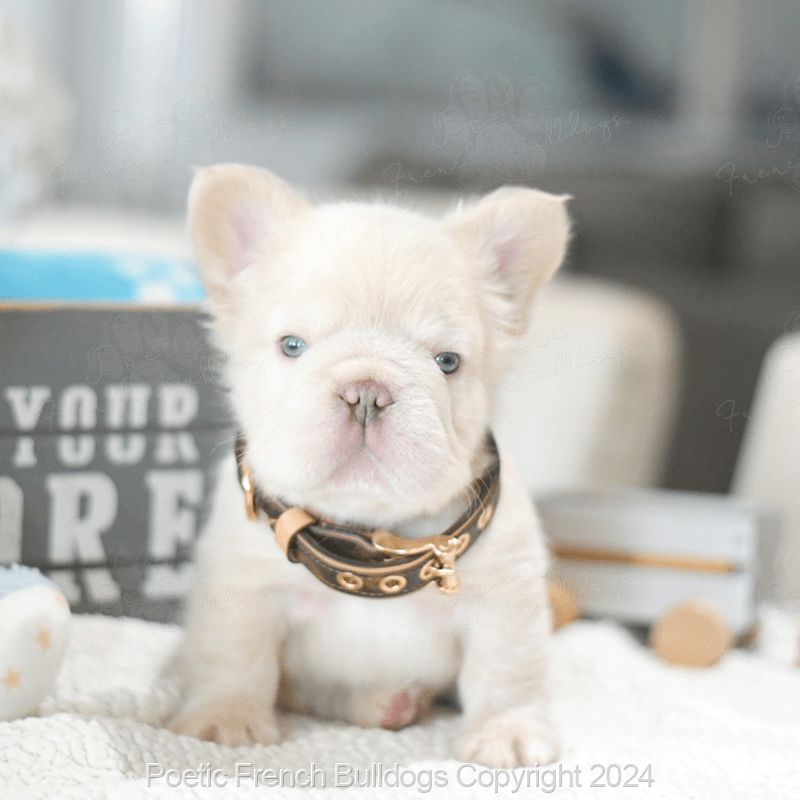
A typical Frenchie pup is sturdy, round-headed, and topped with trademark bat ears. Expect a playful, people-oriented attitude that shifts into calm cuddles after a short play session. Their short coat needs only weekly brushing, but owners should budget for daily face-fold cleaning and moderate exercise to keep joints and weight in check.
1. Research and Choose a Reputable Source
Start with clubs or associations that publish health-testing guidelines. Good breeders, or well-regarded rescue groups, willingly show health certificates, let you meet the mother dog, and discuss hereditary issues common to the breed.
2. Visit the Environment
Whether kennel, foster home, or shelter, the space should be clean, odor-free, and enriched with toys. Puppies should appear alert, sociable, and free from discharge in eyes or nose.
3. Meet the Parents if Possible
Observing at least the mother gives clues about future size, temperament, and noise level. A calm, confident parent often produces similarly balanced offspring.
4. Ask About Health Support
Reputable sources offer written terms that cover severe genetic conditions for a reasonable period. Clarify what paperwork you will receive—vaccination record, microchip data, and deworming schedule—before committing.
5. Prepare for Arrival
Gather a harness that avoids neck pressure, stainless-steel bowls, a low-profile bed, and a few chew toys. Book a vet wellness visit within the first week to set up a vaccination and parasite-control plan.
Unique Aspects of French Bulldog Ownership
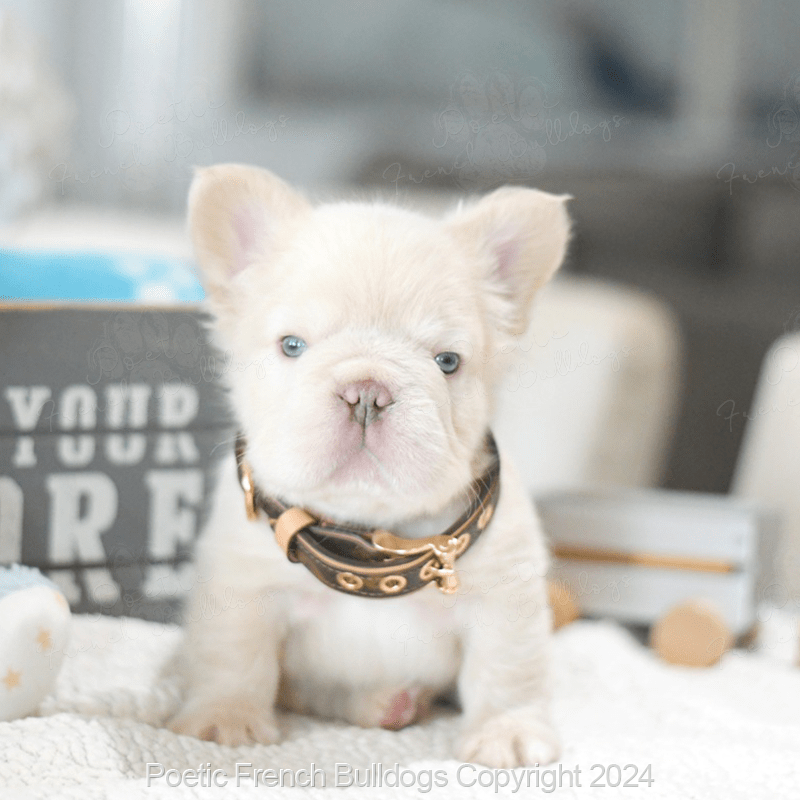
Compact size makes Frenchies attractive to city dwellers, but their flat muzzles demand extra care. Keep outings short in hot or humid weather, provide air-conditioned rest stops, and never leave them unattended in a parked car. Moderate walks and indoor play satisfy their exercise needs, while positive-reward training channels their occasional stubborn streak.
1. Climate Awareness
Extreme heat or cold can stress a Frenchie. Use breathable jackets in winter and limit summer strolls to dawn or dusk; always carry water.
2. Exercise Balance
Two brisk fifteen-minute walks plus mental games like treat puzzles usually suffice. Avoid high-impact jumps that can jar their spine.
3. Socialization
Introduce your puppy to varied sights, sounds, people, and friendly dogs before sixteen weeks of age. Short, upbeat outings build confidence and reduce reactivity.
Conclusion

French Bulldogs reward attentive owners with clownish antics and steadfast companionship. By choosing a responsible source, respecting their physical limits, and providing routine care, you set the stage for a content, healthy life together.
Future Research and Recommendations
Ongoing studies into brachycephalic health, responsible breeding protocols, and urban stressors will help safeguard the breed’s future. Supporting education initiatives and adoption programs ensures more Frenchies enjoy safe, loving homes.


